Identifying and Managing Feline Eosinophilic Granuloma Complex
You’ll spot feline eosinophilic granuloma complex (EGC) as red, non-painful lip ulcers, itchy belly plaques, or linear thigh nodules from immune overreactions. Flea bites, food allergens like beef or fish, and pollen are key triggers. Your vet will confirm with cytology or biopsy, then prescribe prednisolone, cyclosporine (like Feline Atopica®), or antibiotics for infection. Year-round flea prevention, hypoallergenic diets trialed for 8–12 weeks, and indoor allergen control reduce flare-ups-consistency keeps symptoms in check. There’s more to explore on tailored long-term care.
We are supported by our audience. When you purchase through links on our site, we may earn an affiliate commission, at no extra cost for you. Learn more. Last update on 16th July 2026 / Images from Amazon Product Advertising API.
Notable Insights
- Feline eosinophilic granuloma complex presents as three lesion types: indolent ulcers, eosinophilic plaques, and granulomas, often on lips, chin, or thighs.
- Indolent ulcers appear as painless red sores on the upper lip, while plaques are itchy, raised lesions commonly on the belly or inner thighs.
- Diagnosis involves cytology, skin scrapings, or biopsy to confirm eosinophil presence and rule out mites or infections.
- Flea bite hypersensitivity is the most common trigger; year-round flea control is essential to prevent flare-ups.
- Treatment typically includes corticosteroids, antibiotics for secondary infections, and allergen avoidance through diet or environmental management.
What Is Feline Eosinophilic Granuloma Complex?
Think of eosinophils as tiny troublemakers in your cat’s immune system-when they pile up in the skin or mouth, they can trigger what’s called feline eosinophilic granuloma complex (EGC). This skin disease, unique to cats, involves eosinophils (a type of white blood cell) responding to allergies like flea bites, pollen, or food ingredients. The result? Inflammation that leads to painful or itchy lesions. One common form is the feline eosinophilic granuloma, often seen on the back of thighs or chin. Others include indolent ulcers-also called rodent ulcers-typically on the upper lip. While the look and location vary, all are part of the broader Eosinophilic Granuloma Complex. Though not contagious, it’s serious enough to need vet care, especially since untreated cases worsen. Early detection helps, and treatment often includes corticosteroids to calm the immune overreaction.
Recognizing the 3 Types of EGC Lesions
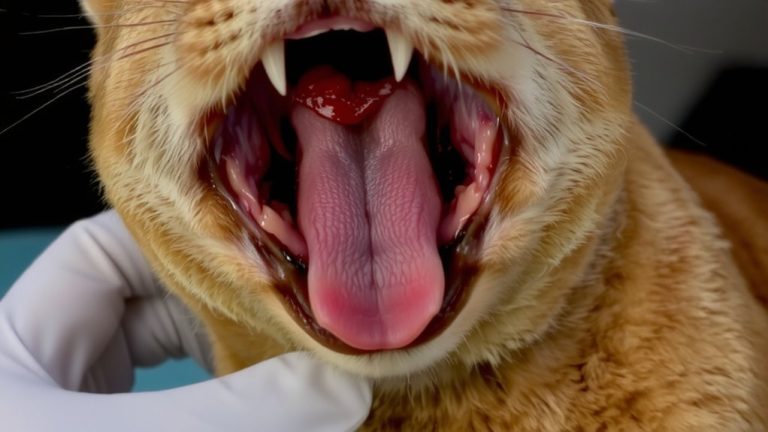
You’ll want to keep an eye out for three distinct types of lesions if your cat has eosinophilic granuloma complex, since each looks different and shows up in specific spots. Indolent ulcers, often called rodent ulcers, appear as clean, non-painful red sores on the upper lip near the canine tooth-common in cats with this skin condition. Eosinophilic plaques are itchy, raised, and red, usually found on the belly or inner thighs, and they often break open into ulcers. Granulomas show up as linear, yellowish or pink nodules, typically along the back of the thighs, chin, lips, or mouth. All lesion types are part of the same hypersensitivity-driven Complex and contain eosinophils. These skin issues can become secondarily infected, worsening the inflammation. Recognizing the differences helps you and your vet manage the condition early and effectively.
Common Causes and Allergy Triggers of EGC
Spotting the different types of EGC lesions-indolent ulcers, eosinophilic plaques, and granulomas-gives you a clear starting point, but managing the condition effectively means looking at what’s driving those skin reactions in the first place. The most common underlying cause is flea bites, so strict flea control year-round is essential-even one bite can trigger a flare-up. You should also consider food allergy, especially to proteins like beef, fish, or dairy, which may require an 8- to 12-week elimination diet. Environmental allergens like pollen, dust mites, and mold can contribute, particularly in genetically predisposed cats. Insect hypersensitivity, such as mosquito or fly bites, often leads to eosinophilic granulomas, especially in outdoor cats. Identifying the trigger means fewer flare-ups and better long-term outcomes.
How Your Vet Will Diagnose Eosinophilic Granuloma Complex?
How does your vet pinpoint eosinophilic granuloma complex when those sores appear on your cat? They’ll diagnose EGC by reviewing your cat’s history and checking the skin closely. A fine needle aspiration or impression smear helps spot an eosinophil buildup, a hallmark of this condition. Your vet will also perform skin scrapings to rule out parasites like Demodex. For a definitive answer, especially with non-lip lesions, skin biopsies are often needed. These tests confirm eosinophil infiltration and rule out infections or tumors. Bloodwork and cytology might uncover underlying allergies. In tricky cases, they’ll refer you to a veterinary dermatologist.
| Test | Purpose | Sample Needed |
|---|---|---|
| Skin scrapings | Rule out mites | Surface skin |
| Fine needle aspiration | Find eosinophil clusters | Lesion cells |
| Skin biopsies | Confirm diagnosis | Deeper skin tissue |
Treatments for Cats With EGC
While your cat’s eosinophilic granuloma complex (EGC) can look alarming, effective treatment options are available to bring relief and promote healing. The mainstay of treatment is corticosteroids like prednisolone, usually given systemically after any secondary infection clears. If your cat can’t tolerate steroids or doesn’t respond, cyclosporine (e.g., Feline Atopica®) is a proven alternative that modulates the immune response and often induces remission. Since bacterial infections commonly worsen lesions, your vet will likely prescribe antibiotics for 2–4 weeks, which can reduce lesion severity by over 50%. Strict flea control is non-negotiable-ongoing flea exposure can block recovery. You’ll also want to evaluate a hypoallergenic diet under veterinary guidance, as food allergies may be driving the condition.
When to See a Vet for EGC Symptoms
What should you do when your cat suddenly develops a sore that won’t heal on its upper lip? Seek veterinary care right away-this ulcer could be an indolent lesion linked to eosinophilic granuloma complex (EGC). If you spot red, raised, itchy patches on the abdomen or inner thighs, it might be an eosinophilic plaque. Lesions are often painful or uncomfortable, and your cat may lick or chew at them constantly. You should also call your vet if you notice swollen spots on the chin, mouth, or paw pads, especially if multiple lesions appear together. Depending on the underlying cause-like allergies or immune dysfunction-treatment plans vary. Some cats require lifelong treatment to manage flare-ups. Early diagnosis helps determine the right approach, whether it’s medication, diet changes, or environmental adjustments. Don’t wait-timely veterinary care improves outcomes dramatically.
Living With EGC: Preventing Recurrence and Managing Care
You’re not alone if your cat’s eosinophilic granuloma complex (EGC) keeps coming back-many cats need ongoing care to stay comfortable and lesion-free. Eosinophilic granuloma complex in cats often stems from allergic triggers, so strict, year-round flea control is essential, even with minimal exposure. A hypoallergenic diet trial lasting 8–12 weeks using a veterinary hydrolyzed protein or novel antigen diet can reduce flare-ups if food allergies are involved. Since environmental allergens like pollen or dust mites contribute to recurrence, identifying and limiting those is key. Many cats require long-term anti-inflammatory medications, like low-dose prednisolone or cyclosporine (e.g., Feline Atopica), to manage white blood cell overactivity and control symptoms. Regular vet checks and skin biopsies help track pet health and differentiate EGC from other conditions. Consistent medical treatment improves long-term outcomes.
On a final note
You’ve got this. Keep up with vet visits, stick to hypoallergenic diets like Hills z/d, and use flea preventives monthly. Most cats respond well to steroid treatments within 2–3 weeks. Monitor lesions daily, avoid plastic food bowls, and maintain a consistent, low-allergen environment. With proper care, including regular checkups and allergen control, your cat can stay comfortable and symptom-free long-term. Prevention beats reaction every time.