How to Prevent and Treat Roundworms in Kittens and Puppies
Start deworming your puppy at 2 weeks or kitten at 3 weeks with pyrantel pamoate, repeating every 2–3 weeks until they’re 8 weeks old, then switching to monthly preventives like milbemycin. Clean litter boxes daily and remove yard waste fast to cut infection risk. Nursing moms should be treated too. Most vets use fecal tests or PCR to confirm. These steps protect your pets-and your family. There’s more to get right when it comes to keeping your young pets healthy.
We are supported by our audience. When you purchase through links on our site, we may earn an affiliate commission, at no extra cost for you. Learn more. Last update on 19th July 2026 / Images from Amazon Product Advertising API.
Notable Insights
- Deworm puppies starting at 2 weeks and kittens at 3 weeks, repeating every 2–3 weeks until 8 weeks old.
- Use oral dewormers like pyrantel pamoate, following a veterinarian-recommended schedule.
- Treat nursing mothers simultaneously to prevent transmission through milk.
- Perform fecal flotation tests to diagnose infection and confirm treatment success.
- Prevent reinfection with monthly preventives and by promptly cleaning feces from environment.
What Are Roundworms in Kittens and Puppies?
Visualize seeing tiny spaghetti-like strands in your puppy’s stool-that’s likely roundworms, a common but treatable intestinal parasite affecting kittens and puppies. These cream-colored worms, up to 6 inches long, thrive in young pets’ intestines, stealing nutrients and sometimes causing a pot-bellied look, poor growth, vomiting, or dull coats. Roundworms spread when puppies or kittens ingest infectious eggs from the environment, often after a 2–4 week maturation period in soil. Inside the host, eggs hatch into larvae, restarting the life cycle. Puppies can even be infected before birth, while kittens usually get larvae through their mother’s milk. Though infected pets may not always show signs, a fecal test can detect roundworm eggs under a microscope-key since shedding is intermittent. Catching it early with a fecal test means faster, more effective treatment.
How Do Puppies and Kittens Get Roundworms?
While roundworms can creep into your pet’s life in several ways, the truth is most puppies and kittens get them through quiet, often unseen routes tied to their mothers or environment. Puppies are commonly infected with roundworms prenatally when roundworm larvae migrate from the mother’s tissues to the fetus during the last two weeks of pregnancy. For kittens, transmission usually occurs postnatally through the milk of nursing cats infected with roundworms. Both puppies and kittens can also become infected by ingesting roundworm eggs from contaminated soil, surfaces, or feces-eggs take 2–4 weeks to become infectious. Hunting or eating infected intermediate hosts like rodents, earthworms, or birds spreads larvae too. Even indoor pets aren’t fully protected, as larvae can remain encysted in mother dogs or cats and reactivate during pregnancy, putting every litter at risk.
What Are the Signs of Roundworm Infection?
You’ve likely already taken steps to protect your puppy or kitten from picking up roundworms, whether through prenatal exposure, contaminated soil, or infected prey, but knowing how to spot the signs early can make all the difference in getting them prompt care. A roundworm infection often causes a pot-bellied appearance in kittens and puppies, despite normal eating. You may notice weight loss, vomiting, or diarrhea, along with a dull coat and discomfort. Adult roundworms-resembling 3- to 6-inch-long cream-colored spaghetti-can appear in vomit or stool. Severe cases might include coughing or blockages.
| Symptom | Seen In | Key Detail |
|---|---|---|
| Pot-bellied appearance | Kittens, Puppies | Caused by worm-filled intestines |
| Weight loss | Kittens, Puppies | Due to nutrient theft by worms |
| Vomiting | Puppies, Kittens | Adult roundworms may be visible |
| Diarrhea | Kittens, Puppies | Common with active infection |
| Abdominal discomfort | Kittens, Puppies | Often paired with poor growth |
How Do Vets Diagnose and Treat Roundworms?
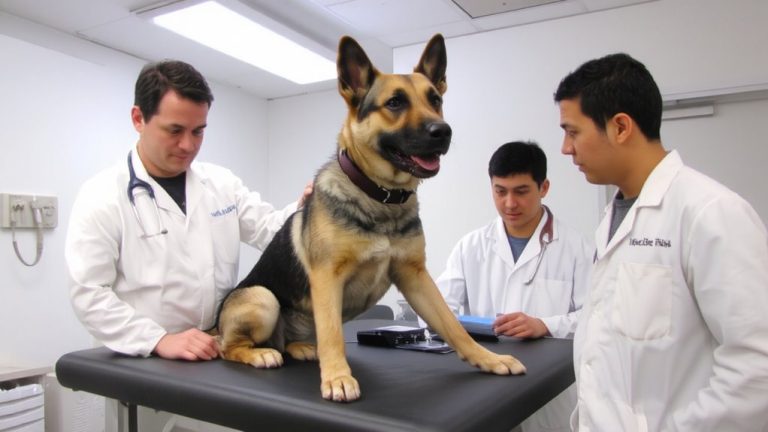
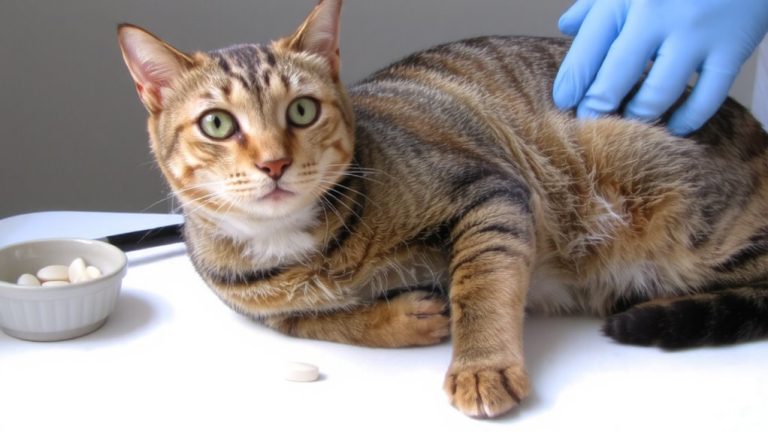
If you notice spaghetti-like, cream-colored worms 3 to 6 inches long in your kitten or puppy’s stool or vomit, a roundworm infection is likely, and your vet will typically confirm it with a fecal flotation test that detects distinctive roundworm eggs under the microscope. Since pets can become infected through their mother’s milk or environment, even seemingly healthy cats or puppies may harbor adult worms. Your vet might need to run multiple fecal tests, as roundworm eggs aren’t always present in every sample. PCR testing can detect roundworm DNA earlier, before eggs appear. Treatment usually involves oral dewormers like pyrantel pamoate, starting immediately and repeating every two to three weeks to catch newly matured worms. This deworming schedule is key-especially in young pets-since larvae can develop into adults fast. You’ll continue this process until your pet is around 8 weeks old, then switch to monthly preventives.
When Should I Deworm My Puppy or Kitten?
When should you start protecting your puppy or kitten from roundworms? Begin deworming puppies at 2 weeks of age, then repeat every 2 weeks until they’re 8 weeks old, followed by monthly preventives until 6 months. For kittens, start at 3 weeks of age, continuing every 2 weeks until 8 weeks, then switch to monthly preventives. Even if you don’t see worms, treat early-roundworm eggs often aren’t detectable in young animals. Nursing mothers should be dewormed too, especially cats, since trans-mammary infection is common. This protects both mom and her litter. Regular deworming is essential for puppies and kittens, as they’re highly susceptible. After 6 months, continue with monthly broad-spectrum parasite control that includes roundworm prevention. Consistent timing, correct dosing, and treating all pets in the household maximize effectiveness and keep your young pets healthy.
How to Prevent Roundworms in Kittens and Puppies (and Your Family)
While roundworms pose a serious threat to young pets and their families, the risk can be effectively managed with a consistent, vet-approved deworming schedule and smart hygiene practices. You should deworm kittens at 2, 4, 6, and 8 weeks, then switch to monthly broad-spectrum deworming medications that treat roundworms and support long-term pet health. Puppies need the same start, as larvae can migrate from mother to litter in utero. Use monthly heartworm preventives with milbemycin or pyrantel-they’re proven in Veterinary Medicine to control roundworms. To reduce the risk of human infection, clean the litter box daily and remove feces from yards promptly, since eggs in the environment become infectious in 2–4 weeks. Always practice hand hygiene, especially with kids, as larvae can migrate and cause serious zoonotic illness.
On a final note
Keep your kitten or puppy healthy by deworming every 2 weeks from 2 to 8 weeks old, then monthly, using products like Panacur or Drontal. Roundworms cause vomiting, potbellies, and poor growth, but are preventable with hygiene and monthly preventatives like Heartgard. Test poop samples early; most clinics use fecal floats to spot eggs. Clean litter boxes daily, disinfect with bleach, and wash hands after handling pets-this protects your family, too.