Symptoms and Care for Dogs With Canine Distemper Neurological Sequelae
Your dog may show neurological signs weeks after distemper exposure, like jaw twitching, seizures, or walking unsteadly due to brainstem damage and demyelination. You’ll need anticonvulsants like levetiracetam, soft bedding, and repositioning every 4 hours to prevent sores. MRI and CSF PCR confirm diagnosis. Many dogs need feeding tubes, physical therapy, or long-term seizure control. Around half of survivors face seizures or paralysis. Up to 20% have lasting motor issues, but consistent care improves daily function and comfort over time.
We are supported by our audience. When you purchase through links on our site, we may earn an affiliate commission, at no extra cost for you. Learn more. Last update on 19th July 2026 / Images from Amazon Product Advertising API.
Notable Insights
- Dogs with distemper neurological sequelae may suffer persistent myoclonus, seizures, ataxia, paralysis, and behavioral changes due to CNS damage.
- Chewing-gum fits and head tilt are early signs of brainstem involvement, often progressing rapidly once neurological symptoms appear.
- Diagnosis relies on RT-PCR of CSF, elevated CSF antibody titers, and MRI findings like demyelination and perivascular cuffing.
- Anticonvulsants such as phenobarbital and levetiracetam help control seizures, while supportive care manages long-term disability.
- Survivors often have permanent deficits, including recurrent seizures, motor dysfunction, and potential progression of encephalitis despite recovery from initial infection.
What Causes Neurological Symptoms in Canine Distemper?
While the initial signs of canine distemper often involve coughing or diarrhea, it’s when the virus spreads to the central nervous system that you’ll notice more serious neurological symptoms. The viral invasion of the CNS triggers inflammation, demyelination, and neuron degeneration, disrupting nerve signal transmission. Even after respiratory signs fade, the delayed onset of neurologic signs-like tremors or seizures-can emerge weeks later due to progressive CNS damage. Footpad hyperkeratosis often appears alongside these issues, signaling advanced infection. Microscopic examination reveals inclusion bodies in neurons and glial cells, confirming viral presence. Perivascular cuffing and gliosis further contribute to dysfunction. These changes are permanent in many cases, requiring long-term supportive care. Early detection, proper nutrition, and neuroprotective supplements may help slow decline. You’ll need consistent vet checkups and a calm environment to support your dog’s quality of life through CNS involvement.
What Are the First Signs of Nervous System Involvement?
How do you know when canine distemper has reached your dog’s nervous system? Early neurologic signs mean the virus has invaded the central nervous system. Look for myoclonus-brief, shock-like muscle twitching-especially in the face or jaw, often called “chewing-gum fits.” This involuntary movement may come and go but worsens over time. Your dog might develop seizures, ataxia (wobbly, uncoordinated walking), head tilt, circling, or nystagmus (rapid, abnormal eye movements). These symptoms signal serious nervous systems involvement. Once clinical signs appear, progression can be rapid. Dogs shed the virus through respiratory secretions, putting others at risk. Even with care, the prognosis is often poor-up to 50% of affected dogs don’t survive, and many survivors have lasting neurologic deficits. Watch closely, act quickly, and consult your vet immediately if you notice these warning signs.
What Advanced Neurological Symptoms Develop in Dogs?
When canine distemper advances to the later stages, you’ll likely notice that your dog’s initial twitching has become constant, with persistent myoclonus now affecting not just the face but also the limbs, often leading to full-body seizures that can last from seconds to several minutes. You may see chewing-gum fits-rapid jaw movements caused by brainstem damage from the canine distemper virus-as well as ataxia, head tilting, or circling due to CNS demyelination. Many dogs develop nystagmus or blindness, and some progress to partial or complete paralysis. Behavioral shifts like aggression or disorientation are common. Even in vaccinated adults, chronic distemper encephalitis can develop, triggering slow, non-infectious neurological symptoms from lingering viral RNA. These advanced neurological symptoms severely impact mobility and mental function, requiring ongoing care, environmental safety adjustments, and close monitoring to maintain your dog’s comfort and quality of life.
How Is CNS Distemper Diagnosed in Dogs?
Why might your dog’s neurological symptoms point to CNS distemper? When you notice seizures or twitching, your vet might suspect CNS distemper, especially if initial signs like fever or cough were missed. RT-PCR testing of cerebrospinal fluid (CSF) is the gold standard for diagnosis, more reliable than blood or urine when neurological signs appear. If distemper virus antigen shows up in CSF and antibody titers are higher there than in serum, it confirms CNS involvement. MRI scans can reveal brain lesions such as perivascular cuffing or demyelination, supporting the diagnosis. While inclusion bodies in blood cells suggest early infection, they’re often gone by the time neurological signs emerge. For definitive confirmation, histopathological examination of brain tissue postmortem shows neuronal degeneration and demyelination, sealing the diagnosis of CNS distemper.
How Do You Manage Seizures and Muscle Twitches?
Once the diagnosis of CNS distemper is confirmed through CSF analysis or imaging, your focus shifts to managing the distressing neurological symptoms like seizures and muscle twitches that can disrupt your dog’s quality of life. You’ll likely use anticonvulsant medications such as phenobarbital or levetiracetam to control seizures. For persistent muscle twitching, especially “chewing-gum fits,” botulinum toxin may help in severe cases. Glucocorticoids can reduce CNS inflammation in chronic neurological sequelae, but their use is situational. Continuous monitoring is essential during active episodes to maintain respiratory stability and prevent injury.
| Treatment | Purpose |
|---|---|
| Phenobarbital | Controls seizures |
| Levetiracetam | Reduces seizure frequency |
| Botulinum toxin | Alleviates severe muscle twitching |
| Glucocorticoids | Manages CNS inflammation |
| Continuous monitoring | Guarantees respiratory stability |
What Does Supportive Care Involve for Neurological Dogs?
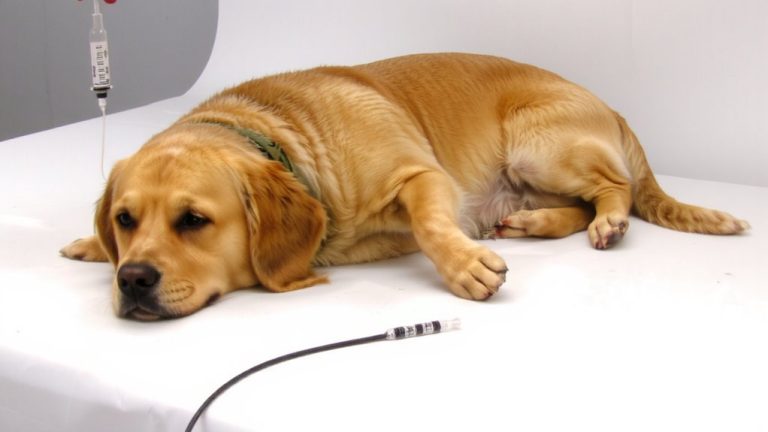
Though your dog can’t tell you what they’re feeling, you’ll notice signs of discomfort, imbalance, or confusion that signal the need for hands-on supportive care during the neurological stage of distemper. You’ll manage neurological signs like seizures or twitching with anticonvulsants such as phenobarbital or levetiracetam, often combined with gabapentin for added nerve calming. Sedation may be needed during severe episodes. Physical therapy helps maintain mobility and prevent stiffness, while soft bedding and repositioning every 4 hours prevent sores. If swallowing is impaired, nutritional support via feeding tube guarantees your dog gets balanced calories and hydration. Hospitalization allows IV fluids, close monitoring, and prompt treatment of secondary infections due to weakened immunity. Consistent supportive care improves comfort, function, and recovery chances during this critical phase.
What’s the Long-Term Outlook for Dogs With Brain Damage?
How does life look for your dog after surviving distemper with brain involvement? Unfortunately, many dogs face lifelong neurological damage due to CNS damage and progressive demyelination. You might notice neurologic symptoms like ataxia, seizures, or myoclonus weeks or months after recovery. These signs are part of the disease’s neurological sequela and often require long-term management. Around 20% of survivors develop permanent motor issues or behavior changes, while up to half may suffer recurrent seizures. Chronic distemper encephalitis (CDE) can worsen brain damage over time, even in vaccinated dogs. Daily anti-seizure meds, consistent routines, and a safe, cushioned environment help. Though some dogs adapt well, most with severe brain damage need ongoing care. Prognosis is guarded-early intervention improves quality of life, but full recovery is rare.
On a final note
You’ll need to act fast if your dog shows head tilt, twitching, or seizures after distemper, as neurological damage can progress quickly. Stick to vet-prescribed meds like phenobarbital for seizure control, and use elevated bowls to ease eating. Keep hydration up with 1–2 oz of water per pound daily. Monitor closely, maintain routine exams, and support recovery with consistent, low-stress care and high-quality, digestible nutrition like Hill’s Prescription Diet b/d Brain Aging Support.