Recognizing and Treating Feline Aortic Thromboembolism (Saddle Thrombus)
If your cat can’t move its back legs, has cold paws, or blue-tinged footpads, it may have a saddle thrombus-a life-threatening aortic clot. Immediate care includes pain control with opioids, oxygen, and LMW heparin to halt clot progression. Survival to discharge is around 50%, but only 1 in 3 cats return home long-term. Cold limbs, absent femoral pulses, and rapid breathing are red flags. Lifelong clopidogrel (18.75 mg daily) reduces recurrence. You’ll want to know the signs for next time.
We are supported by our audience. When you purchase through links on our site, we may earn an affiliate commission, at no extra cost for you. Learn more. Last update on 19th July 2026 / Images from Amazon Product Advertising API.
Notable Insights
- Saddle thrombus causes sudden hind limb paralysis and severe pain due to aortic blockage at the iliac bifurcation.
- Key signs include cold limbs, absent femoral pulses, pale or blue paw pads, and rapid breathing.
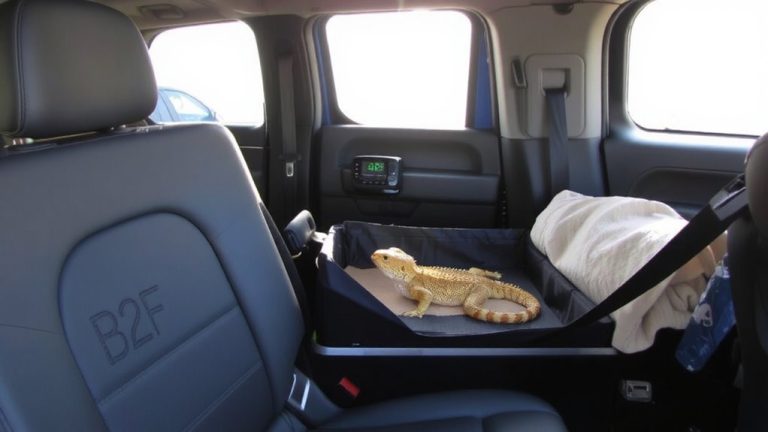
- Immediate veterinary care is critical; transport the cat flat, warm, and without delay.
- Treatment involves pain control, oxygen, anticoagulants like heparin, and long-term clopidogrel therapy.
- Prognosis is guarded: ~50% survive to discharge, but recurrences are common without lifelong antithrombotics.
What Is a Saddle Thrombus: and Why Is It an Emergency?
Pain, panic, and paralyzed legs-your cat’s sudden inability to use its hind limbs could mean a saddle thrombus, or feline aortic thromboembolism (FATE), has struck. This life-threatening condition occurs when a blood clot blocks circulation at the aorta’s split, cutting off blood flow to the hind legs. Your cat will show severe pain, cold limbs, and sudden paralysis, often due to underlying heart disease like hypertrophic cardiomyopathy, which hides in about 90% of cases. Pale or blue paw pads and absent femoral pulses are key signs. A ≥30 mg/dL glucose difference between central and peripheral samples supports diagnosis. This is a true emergency: emergency treatment must start immediately. Affected cats may need pain control, oxygen, and anticoagulants. Even with care, only half survive to discharge, with survival post-hospitalization averaging 192–443 days.
Signs Your Cat Might Have a Saddle Thrombus
If your cat suddenly can’t move their back legs, it’s time to act fast-this could be a sign of a saddle thrombus, a dangerous blockage that cuts off blood flow to the hind limbs. This feline aortic thromboembolism often causes sudden hind limb paralysis, with 77.6% of cats affected in both legs. Your cat may vocalize from pain, yowl, or breathe rapidly due to severe ischemia. You’ll notice absent femoral pulses, cool limbs, and pale or bluish paw pads-classic signs of impaired circulation. A 2.4°C temperature drop in the hind limbs has 80% sensitivity for ATE. Even one affected limb warrants concern.
| Symptom | Emotion It Triggers |
|---|---|
| Vocalize from pain | Heart-wrenching distress |
| Cold, blue paw pads | Fear and urgency |
| No femoral pulses | Panic and helplessness |
What to Do If You Suspect a Saddle Thrombus?
When your cat collapses with paralyzed back legs, cold toes, or bluish paw pads, get to an emergency vet right away-this is a medical crisis. These signs point to a saddle thrombus, a blood clot that blocks blood flow in the aorta, causing aortic thromboembolism (ATE). Hind leg paralysis and cold pale paws are urgent red flags. Don’t wait-seek emergency veterinary care immediately. On the way, keep your cat warm on a firm, flat surface. At the clinic, immediate treatment begins with pain management using strong analgesics, oxygen therapy, and blood thinners like heparin and clopidogrel. A glucose difference of ≥30 mg/dL between central and peripheral samples helps confirm ATE fast. Quick action improves outcomes-survival to discharge is around 50%, with many cats living months to years after, given prompt, aggressive care.
How Treatment Works: and Survival Chances
Though time is critical, understanding how treatment works can help you make informed decisions during this emergency. Immediate pain relief with full µ-opioid agonists is essential, as a saddle thrombus causes severe discomfort. Treatment starts with low molecular weight heparin to target blood clots, followed by clopidogrel (18.75 mg PO q24h) for long-term antithrombotic therapy. Thrombolytics aren’t recommended-they raise risks of reperfusion injury and life-threatening hyperkalemia without improving survival chances. About 50% of cats survive to discharge, but only 1 in 3 return home. Median survival after discharge ranges from 192 to 443 days, heavily influenced by underlying heart disease. Even with proper treatment, half of survivors form new clots within six months.
Preventing Another Saddle Thrombus in Your Cat
Now that your cat has made it through the acute phase of a saddle thrombus, focusing on long-term prevention is the next step in giving them the best chance at a stable, comfortable life. You’ll start with low molecular weight heparin (like dalteparin, 75–150 U/kg SC q6h) during hospitalization, then switch to oral medications once your cat can eat and is stable. The mainstay for secondary prevention is clopidogrel at a maintenance dose of 18.75 mg PO q24h, which is far more effective than aspirin and reduces the risk of recurrent feline aortic thromboembolism. About half of surviving cats develop another clot within six months, so lifelong antithrombotic therapy is essential. Since most cases link to hypertrophic cardiomyopathy, schedule echocardiograms every 6–12 months. Avoid high-dose aspirin-it’s less effective and raises GI risk.
On a final note
You’ve got this-spotting a saddle thrombus fast means quicker vet care, better outcomes. Watch for sudden hind limb weakness, cold paws, or labored breathing. Immediate treatment often includes pain control, blood thinners like clopidogrel, and hospitalization. Survival rates improve with early intervention, though long-term management is key. Use cardiac support diets, monitor activity, and follow your vet’s plan. Prevent recurrence with meds, routine ultrasounds, and at-home checks-your vigilance makes all the difference.