How to Prevent and Treat Hookworm Infections in Barefoot Dogs
Keep your barefoot dog protected by using monthly preventives like Heartgard Plus or Simparica TRIO, which contain pyrantel and moxidectin to kill hookworm larvae before they cause anemia or malabsorption. Treat infections with dewormers such as fenbendazole, repeated in 2–3 weeks. Clean up stool fast, avoid warm, moist soil above 50°F, and test yearly. Puppies need special care due to low blood volume. You’ll also learn how these parasites move and why timing matters.
We are supported by our audience. When you purchase through links on our site, we may earn an affiliate commission, at no extra cost for you. Learn more. Last update on 19th July 2026 / Images from Amazon Product Advertising API.
Notable Insights
- Keep dogs on monthly preventives with pyrantel or moxidectin to kill hookworm larvae before they mature.
- Avoid letting barefoot dogs walk on warm, moist soil contaminated with feces, especially in southern U.S. regions.
- Treat infected dogs with dewormers like pyrantel pamoate, repeated in 2–3 weeks to target newly matured worms.
- Schedule veterinary fecal exams annually to detect hookworms, even in asymptomatic or preventive-covered dogs.
- Prevent human infection by promptly cleaning up dog waste and avoiding barefoot contact with potentially contaminated soil.
What Hookworms Are and How They Harm Dogs
Hookworms, those tiny but tough parasites ranging from 10 to 20 mm long, can pack a serious punch when they set up shop in your dog’s intestines. These blood-sucking hookworms latch onto the intestinal lining with teeth or cutting plates, feeding on blood and causing anemia, especially in puppies. As the adult parasite thrives, it releases anticoagulants, leading to bleeding ulcers and malabsorption. In infected dogs, this results in weight loss, dull coats, and weakness. Hookworms like *Ancylostoma caninum* are widespread-Ancylostoma spp. eggs were found in 19% of U.S. dog samples, rising to 36% in the Southeast. Larvae can also penetrate your dog’s skin, migrate through the lungs, and cause coughing. Puppies often get infected through their mother’s milk, making early deworming critical. Regular fecal checks and monthly preventives are key to protecting all dogs, both adult and young, from this dangerous intestinal parasite.
How Hookworms Spread in Warm, Moist Soil
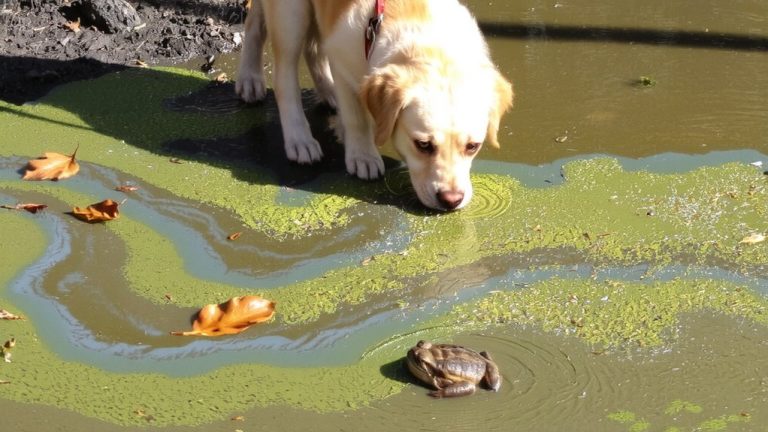
You’ve already seen how these parasites harm your dog once they’re inside, but knowing where they come from is just as important. Hookworm larvae thrive in warm moist soil, especially when it’s moderately moist and above 50°F. In as few as 2 to 9 days, eggs hatch and develop into infective larvae capable of surviving for weeks in soil or sand. These larvae, particularly from Ancylostoma caninum, are common in southern U.S. regions where conditions stay warm and humid year-round. When your dog walks or lies on contaminated soil, the larvae can penetrate the skin-usually through footpads or between toes-then migrate through the body. Freezing kills them, but in tropical and subtropical areas, they persist constantly. Keeping your dog off infested ground and using preventive meds cuts risk considerably.
Common Symptoms of Hookworm Infection in Dogs
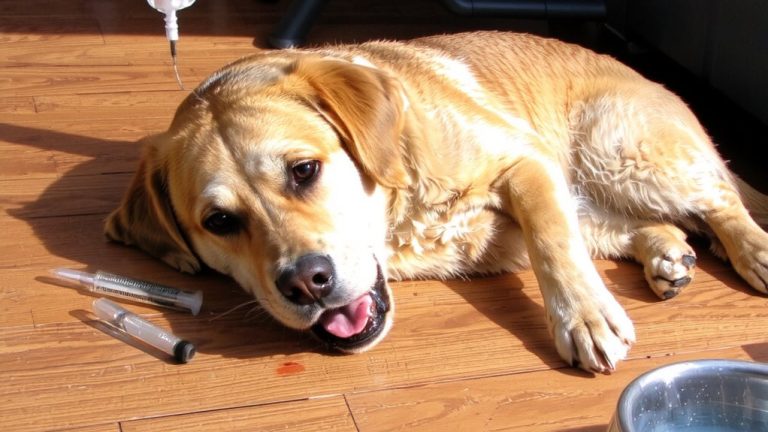
A quiet slump in energy, a dull coat, or dark, tarry stools could be your first clue something’s off. These signs often mean parasites are damaging your dog’s intestines, causing blood loss and anemia, especially dangerous in puppies. The worms feed on blood and shed eggs, which pass in fecal matter and contaminate soil. Over weeks, you might notice weight loss, pale gums, or a weak, tired dog that doesn’t bounce back. Some larvae migrate through the lungs, leading to coughing or trouble breathing. Others penetrate skin-especially between toes-causing redness and itchiness. Left unchecked, these parasites weaken your dog’s system fast. Catching symptoms early helps prevent severe complications. Regular fecal tests detect eggs before problems escalate. Keeping your dog on monthly preventatives, avoiding warm, moist areas, and practicing good hygiene protect against reinfection and keep your dog healthier longer.
How Vets Diagnose and Treat Hookworms
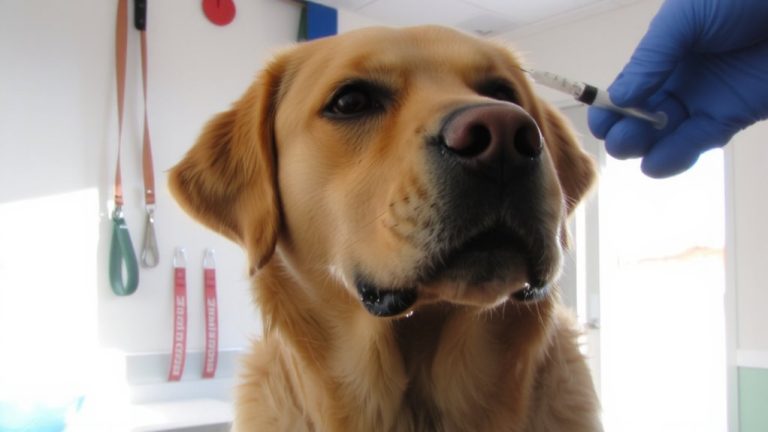
Spotting the signs early gives your dog the best shot at a quick recovery, and now it’s time to focus on what happens next at the vet’s office. Your vet will Diagnose Hookworms using a fecal examination, starting with a fresh stool sample analyzed via fecal flotation to spot eggs-Ancylostoma spp. eggs measure 52–79 µm by 28–58 µm, while Uncinaria stenocephala’s are larger. If no eggs show, fecal antigen tests or PCR help detect prepatent infections. Once confirmed, treatment begins with oral dewormers like pyrantel pamoate, fenbendazole, or milbemycin oxime, repeated in 2–3 weeks to catch maturing larvae. Puppies with severe anemia may need hospitalization and supportive care. For resistant Ancylostoma caninum, vets may combine fenbendazole (50mg/kg for 5 days) with pyrantel and moxidectin. Always watch for clinical signs of hookworm and cutaneous larva migrans, and maintain a year-round broad-spectrum parasite prevention plan.
Preventing Hookworms With Monthly Medications
Protection starts with prevention-monthly medications are your dog’s best defense against hookworms. Monthly preventives like Heartgard Plus, Sentinel Spectrum, and Simparica TRIO contain pyrantel, milbemycin oxime, or moxidectin, which target hookworm larvae before they mature in the gastrointestinal tract. Moxidectin specifically combats fourth-stage and young adult Ancylostoma caninum and Uncinaria stenocephala. But routine monthly dewormers won’t kill arrested larvae hiding in somatic tissues, so consistent, year-round dosing is essential to prevent reactivation. The Companion Animal Parasite Council (CAPC) advises starting monthly preventives as soon as label-approved, especially in high-risk areas where Ancylostoma caninum reaches 36% prevalence. With multi-anthelmintic drug-resistant (MADR) strains confirmed in U.S. dogs, veterinarians increasingly recommend combination therapies-like topical moxidectin with oral pyrantel pamoate-for stronger, more reliable protection.
Can Humans Catch Hookworms From Dogs?
You’re already safeguarding your dog with monthly preventives like Heartgard Plus or Simparica TRIO, but it’s equally important to recognize that some hookworms posing a risk to pets can also affect you. Humans can contract hookworms like Ancylostoma braziliense through skin contact with contaminated soil, often from infected dogs’ feces. The larvae penetrate your skin-especially through bare feet-and cause cutaneous larva migrans, marked by itchy, winding rashes. Though the larvae can’t mature in humans, they migrate under the skin, causing discomfort. Warm, moist environments like beaches and playgrounds are high-risk areas. Ancylostoma caninum, common in dogs, can also lead to rare intestinal issues in humans. Prevent exposure by cleaning up after your dog, treating infected dogs promptly, and avoiding barefoot contact with soil. These steps protect both your pet and your family.
On a final note
You can protect your barefoot dog by using monthly preventives like Sentinel or Heartgard, which kill hookworms before they cause harm. Always pick up waste promptly, and avoid letting your dog roam in damp, shady soil where larvae thrive. If symptoms like weight loss or dark stool appear, see your vet fast-most cases resolve with dewormers like fenbendazole in 2–3 weeks.