Recognizing and Treating Feline Asthma Exacerbations at Home
You’ll know your cat’s having an asthma attack if they cough like they’re hacking up a hairball, crouch low with their neck stretched out, breathe rapidly (over 40 breaths per minute), or wheeze. Act fast: use albuterol via rescue inhaler with a spacer, giving 2–4 puffs as directed, waiting 30 seconds between doses. Keep your cat calm in a quiet, open space, avoid restraint, and never use Flovent in emergencies. If there’s no improvement in 5–10 minutes, or if you see open-mouth breathing or blue gums, immediate vet care is critical-knowing these steps now could save essential time later.
We are supported by our audience. When you purchase through links on our site, we may earn an affiliate commission, at no extra cost for you. Learn more. Last update on 19th July 2026 / Images from Amazon Product Advertising API.
Notable Insights
- Recognize feline asthma attacks by coughing, hunched posture, labored breathing, wheezing, and open-mouth breathing.
- Use a rescue inhaler with albuterol and spacer, delivering 2–4 puffs as directed by your vet.
- Wait 30 seconds between puffs and use a spacer for effective medication delivery to the lungs.
- Calm your cat in a quiet, ventilated space without restraint and monitor for breathing rate over 40 breaths per minute.
- Seek immediate veterinary care if symptoms persist, worsen, or if open-mouth breathing or blue gums occur.
Spot the Signs of a Cat Asthma Attack
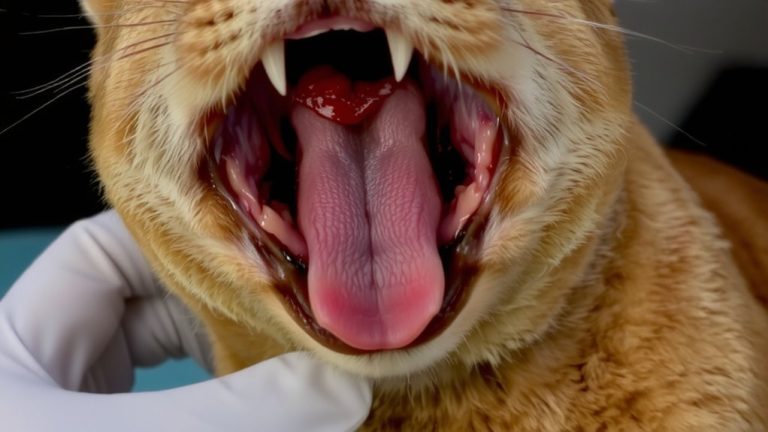
What does a cat asthma attack actually look like? If your cat’s airway inflammation flares up, you’ll likely see coughing or hacking that sounds like gagging-or like they’re trying to pass a hairball. During asthma attacks, your cat may adopt a characteristic posture: crouched low, neck extended, head forward, straining to breathe. You’ll notice labored breathing, rapid chest movements, and belly heaving with each breath. Wheezing often accompanies the attack. As difficulty breathing worsens, your cat might switch to open-mouth breathing-a serious sign. Asthma in cats isn’t subtle; if your cat’s gums or tongue turn blue, that’s cyanosis, meaning oxygen levels are dangerously low. Immediate vet care is critical. Triggering irritants like dust, smoke, or sprays-even in small amounts-can set off an episode. Spotting these signs early helps guarantee faster intervention and better outcomes.
Use Rescue Inhalers During an Asthma Attack
You’ll want to act fast if your cat’s wheezing or struggling to breathe-grab the rescue inhaler with albuterol and spacer, because every second counts during an asthma attack. The rescue inhaler delivers albuterol, a fast-acting bronchodilator that opens narrowed airways within minutes. Use two to four puffs as directed, waiting at least 30 seconds between each to improve lung delivery. Always use the spacer-it guarantees proper inhaler use and helps your cat get the full dose. Remember, Flovent isn’t for emergencies; only bronchodilators like albuterol work during acute attacks. If breathing doesn’t improve within 5–10 minutes, seek emergency veterinary care immediately. Keep the rescue inhaler and spacer in an easily accessible spot, and make sure everyone in your home knows how to respond. Quick, correct inhaler use can be lifesaving.
Calm Your Cat During an Asthma Attack
How do you help your cat breathe easier when panic could make things worse? During an asthma attack, keeping your cat calm is essential-stress worsens inflammation and tightens airways. Immediately place your cat in a quiet, well-ventilated space. Avoid restraining them; pressure can further restrict breathing. Use their prescribed rescue inhaler with a spacer to deliver bronchodilators fast, easing respiratory distress. Watch their breathing closely-anything over 40 breaths per minute signals trouble.
| Sign | Action |
|---|---|
| Calm behavior | Maintain quiet environment |
| Increased stress | Reduce noise and movement |
| Open-mouth breathing | Prepare for immediate veterinary care |
| Blue gums | Seek emergency help now |
| Persistent coughing | Administer inhaler, monitor |
Staying calm yourself helps your cat stay calm. Quick, gentle action supports their lungs and limits inflammation during this critical time.
When to Rush Your Cat to the Vet for Asthma
If your cat’s breathing doesn’t ease after using their rescue inhaler, it’s time to act fast-some signs mean home care isn’t enough and your cat needs emergency veterinary support. Open-mouth breathing is a red flag for severe respiratory distress and means your cat isn’t getting enough oxygen. Watch their respiratory rate-if it’s over 40 breaths per minute at rest, it’s an emergency. Cyanosis, where gums or tongue turn blue, signals critical oxygen loss and demands immediate emergency veterinary intervention. Persistent wheezing or coughing after giving the prescribed rescue bronchodilator means the asthma exacerbation isn’t under control. A hunched posture with neck extended and labored breathing shows serious airway blockage. Don’t wait-these signs of respiratory distress need urgent vet care to stabilize your cat safely and quickly.
On a final note
You’ve got the tools to handle a feline asthma flare-up calmly and effectively. Watch for coughing, wheezing, or labored breathing. Use a vet-prescribed rescue inhaler like Flovent or Albuterol with a proper spacer and mask, delivering one puff every 20 minutes as directed. Keep your cat still, warm, and stress-free. If breathing doesn’t improve in 10 minutes, or gums turn blue, head to the vet immediately.