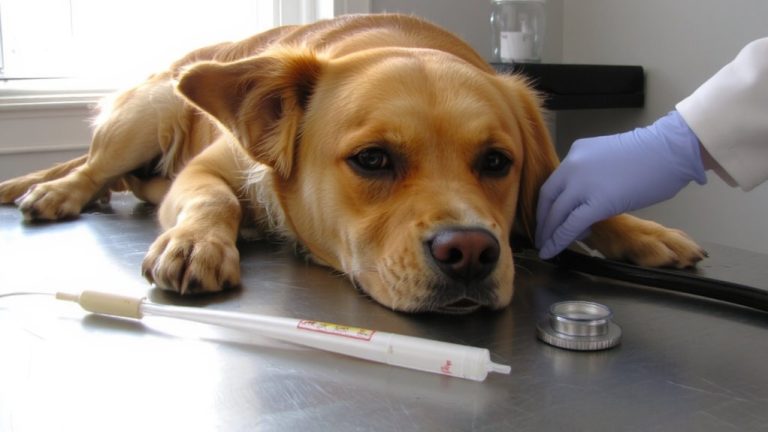
Preventing and Treating Intestinal Parasites in Puppies and Kittens
Your puppy or kitten can pick up parasites before birth or through mom’s milk, so start deworming early-puppies at 2 weeks, kittens at 3–4 weeks, then every 2 weeks until 12 weeks. Use broad-spectrum dewormers like pyrantel pamoate for roundworms and hookworms. Schedule fecal exams using centrifugation or antigen tests, and maintain monthly prevention. Clean up poop daily, cover sandboxes, and wash hands to protect your family, especially kids. Smart routines now set the stage for healthier days ahead.
We are supported by our audience. When you purchase through links on our site, we may earn an affiliate commission, at no extra cost for you. Learn more. Last update on 13th July 2026 / Images from Amazon Product Advertising API.
Notable Insights
- Begin deworming puppies at 2 weeks and kittens at 3–4 weeks, repeating every 2 weeks until 12 weeks old.
- Use broad-spectrum dewormers effective against roundworms and hookworms, the most common parasites in young animals.
- Prevent transplacental and milk-borne transmission by maintaining parasite control in pregnant and nursing pets.
- Perform routine fecal exams using centrifugation or antigen testing to detect infections early and accurately.
- Reduce environmental contamination by removing feces daily and covering sandboxes to prevent parasite spread to humans.
Why Puppies and Kittens Are at Risk for Intestinal Parasites
While you’re bonding with your new puppy or kitten, it’s easy to overlook that these tiny pets are already at risk for intestinal parasites, especially since many are infected before they even come home. Puppies and kittens face high exposure to intestinal worms due to transplacental transmission in puppies and infected milk in both species. Unlike adult animals, their immature immune systems can’t effectively fight off infections, leading to severe infestations. Hookworm larvae can enter through skin, especially footpads, or during nursing from contaminated fur. In shelters or breeding facilities, fecal contamination spreads parasites rapidly. Roundworms, hookworms, coccidia, and Giardia thrive in these environments, putting vulnerable young pets at greater risk. Early deworming, clean living spaces, and veterinary screenings are essential. Prevention starts at two weeks for puppies and vet-guided protocols for kittens.
Common Intestinal Parasites in Puppies and Kittens (and How They Spread)
Roundworms are the most common intestinal parasite in puppies and kittens, and chances are your young pet’s already been exposed-especially since puppies often pick them up before birth or through their mother’s milk, while kittens get them only from nursing. Hookworms spread the same way or through contaminated soil, entering via skin or ingestion. Whipworms infect puppies through dirty environments where eggs linger for years. Tapeworms come from swallowing fleas or eating infected rodents, so flea control is key for parasite control. Coccidia and Giardia, spread through animal feces, thrive where hygiene lags, especially around young animals. These microscopic invaders cause diarrhea and dehydration when intestinal worms and single-celled parasites take hold. Keeping your pet safe means cleaning litter boxes daily, picking up poop quickly, and using vet-approved preventives. Early and consistent parasite control protects your puppy or kitten’s developing gut, ensuring smoother growth, better nutrient absorption, and fewer vet visits down the line.
How Vets Diagnose Parasites: What to Expect During a Fecal Exam
How does your vet actually find those sneaky parasites your puppy or kitten might be hosting? During a fecal exam, your vet uses advanced methods to detect hidden infections. Fecal testing starts with centrifugation floatation, concentrating eggs and oocysts from a small stool sample to boost detection. Routine fecal exams might miss early or single-sex infestations, so vets use fecal antigen testing to identify parasites before eggs appear. For even greater accuracy, fecal PCR testing finds parasite DNA, stable up to 10 days if refrigerated. AI-assisted imaging is now helping vets quickly and accurately spot eggs under the microscope.
| Method | Detects |
|---|---|
| Fecal antigen testing | Prepatent infections |
| AI-assisted imaging | Egg types with enhanced speed |
When and How Often to Deworm Puppies and Kittens
Since intestinal parasites can take hold early, it’s smart to start deworming your puppy at just 2 weeks old and your kitten at 3 to 4 weeks, following veterinary guidelines to catch worms before they cause serious issues. For deworming puppies and kittens, repeat treatments every 2 weeks until they’re 8 to 12 weeks of age-this targets worms at different life stages. You’ll typically treat at 2, 4, 6, 8, and 12 weeks of age to cover roundworms and hookworms effectively. After 12 weeks, switch to monthly broad-spectrum parasite control. Continue this year-round, even for indoor cats. Most vets recommend deworming cats and dogs four times a year as part of routine care. Fecal exams should happen four times in the first year, even if your pet seems healthy, to confirm treatment success and monitor for hidden intestinal parasites.
How to Prevent Parasite Spread to Children and Adults
A quick cleanup after your puppy or kitten isn’t just good habits-it’s a key step in protecting your family from parasites like roundworms and hookworms, which can spread to people through contaminated soil or sand. Make sure to cover sandboxes when not in use and enforce handwashing, especially for children who are at higher risk of visceral or ocular larva migrans. Dogs and cats should stay on a monthly flea and tick preventive that also treats your pet from intestinal parasites.
| Action | Purpose |
|---|---|
| Scoop feces daily | Prevents eggs from becoming infectious |
| Use broad-spectrum dewormer | Targets roundworms, hookworms |
| Cover sandboxes | Blocks animal access |
| Wash hands after pet play | Reduces egg ingestion risk |
| Monitor pet health status | Catches parasite signs early |
Make sure pregnant and nursing pets remain on parasite control to protect both litter and family.
On a final note
You’ve got this-deworm your puppy or kitten every 2 weeks from 2 to 8 weeks old, then monthly until 6 months, using vet-approved fenbendazole or pyrantel, 1 mL per 10 lbs. Test粪 samples twice yearly, even if pets seem healthy. Clean litter boxes daily, wash hands after handling feces, and skip raw diets-cooked or kibble only. Regular checkups catch parasites early, keeping kids and pets safer, healthier, and thriving.