Understanding the Role of Probiotics in a Guinea Pig’s Digestive Health
You need probiotics to support your guinea pig’s fragile gut, especially after antibiotics that can trigger dangerous diarrhea. Strains like *Lactobacillus salivarius* GCI9 and GDE10 boost good bacteria, block pathogens like *E. coli*, and thrive in harsh gut conditions-GDE10 handles 0.45% bile salts, while GCI9 produces 1.76 mg/mL of gut-protecting exopolysaccharides. A 0.5% fortified supplement improves digestion, weight gain, and gut structure. There’s more to how they work at a deeper level.
We are supported by our audience. When you purchase through links on our site, we may earn an affiliate commission, at no extra cost for you. Learn more. Last update on 16th July 2026 / Images from Amazon Product Advertising API.
Notable Insights
- Probiotics maintain gut balance in guinea pigs by introducing beneficial bacteria essential for digestive health.
- Strains like *Lactobacillus salivarius* GCI9 and GDE10 inhibit pathogens such as *E. coli* and *Salmonella*.
- Probiotics enhance gut barrier function and improve fiber fermentation in the cecum for better nutrient absorption.
- A 0.5% probiotic diet improves weight gain, feed efficiency, and intestinal structure in guinea pigs.
- Administer probiotics post-antibiotics and avoid dairy; prebiotics offer safer, long-term microbiome support.
Why Probiotics Matter for Guinea Pigs?
While your guinea pig’s digestive system is delicate by nature, giving it the right probiotics can make a real difference in keeping its gut balanced and functioning well. Probiotics introduce beneficial bacteria that support intestinal health, especially since antibiotics can wipe out good microbes and lead to dangerous diarrhea. Studies show supplementing with 0.5% fortified probiotics boosts weight gain, feed intake, and feed efficiency. Strains like Lactobacillus salivarius GCI9 and GDE10 fight off harmful pathogens such as E. coli and Salmonella, protecting your pet’s digestive system. These live microbes also improve intestinal morphology-increasing villus length and density-for better nutrient absorption. After antibiotic use, giving probiotics 1–2 hours later helps safely restore balance. You’re not just feeding your guinea pig; you’re nurturing its gut with targeted, science-backed care that makes a measurable difference in daily health and resilience.
How Probiotics Support Digestive Health
Because your guinea pig relies on a finely tuned digestive system to break down fibrous foods and absorb nutrients, introducing targeted probiotics can make a meaningful difference in gut function and overall health. Probiotics like *Lactobacillus salivarius* GCI9 and GDE10 boost digestive health by increasing beneficial bacteria and inhibiting pathogens such as *Salmonella* and *E. coli*. These strains produce exopolysaccharides-GCI9 yields 1.76 mg/mL-strengthening the gut barrier and supporting a balanced intestinal microbiota. GDE10 survives harsh conditions with 0.45% bile salt tolerance, ensuring stable colonization. Probiotics enhance fiber fermentation in the cecum, improving nutrient absorption. Regular use also prevents antibiotic-associated diarrhea, a serious risk in guinea pigs exposed to penicillin-type drugs. By maintaining a resilient microbial balance, probiotics keep your pet’s digestive health on track, day after day.
What Research Says About Probiotics in Guinea Pigs
| Benefit | Result | Impact |
|---|---|---|
| Enhanced digestion | 0.5% probiotic diet | Better growth, energy |
| Improved intestinal structure | Longer villi, denser lining | Stronger nutrient absorption |
| Healthier gut microbiome | Balanced pH, diverse microbes | Fewer digestive upsets |
Top Probiotic Strains and How They Work
When it comes to gut health, not all probiotics are created equal-and for good reason. For guinea pigs, specific *Lactobacillus salivarius* strains like GCI9, GDE10, and ACI1 stand out. These beneficial bacteria help maintain digestive health by fighting harmful pathogens like *Salmonella* and *E. coli*. GCI9 and GDE10 show strong antimicrobial action, while ACI1 and GCI9 produce up to 1.76 mg/mL of exopolysaccharides, protecting the gut lining. GDE10 survives bile salts up to 0.45%, ensuring it reaches the intestines alive. All three strains stick well to mucin, meaning they stay in the gut and keep harmful bacteria from taking over. They thrive in pH levels from 2.9 to 7.4 and endure temperatures up to 60°C, so they remain effective during storage and digestion. These traits make them ideal for supporting long-term guinea pig health.
How to Give Probiotics to Your Guinea Pig Safely
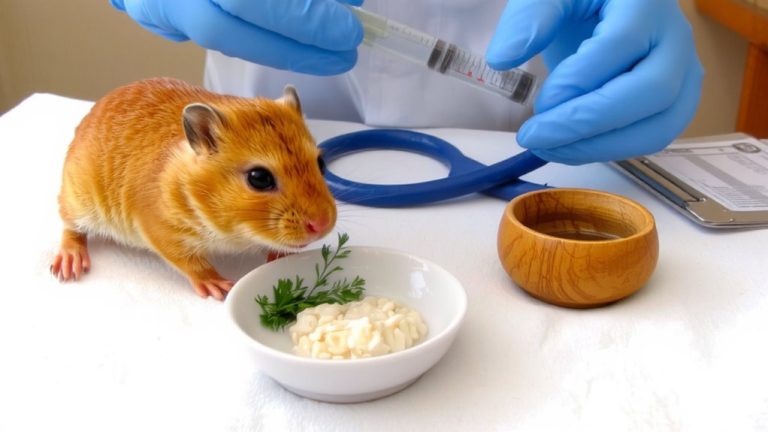
While your guinea pig may not show signs of digestive trouble right away, timing and delivery matter when adding probiotics to their routine, especially after antibiotic use-so it’s best to wait 1–2 hours post-dose to guarantee the good bacteria aren’t wiped out before they can help. You can safely deliver live microorganisms by mixing half a fresh dropping from a healthy guinea pig into water and using a syringe, or by choosing vet-approved supplements in powder, liquid, or capsule form. Store these in a cool, dry place away from light. Avoid dairy-based options like yogurt-guinea pigs can’t digest milk, and it may disrupt their gastrointestinal tract. Stick to species-specific dosing to prevent bloating or diarrhea. Proper probiotic support boosts your pet’s immune system and maintains balanced gut flora-just don’t overdo it.
Prebiotics or Probiotics: What’s Better for Gut Health?
Though probiotics often steal the spotlight, prebiotics might be the smarter, safer bet for your guinea pig’s gut health-especially since research on live bacterial supplements in exotic pets remains limited. Prebiotics like inulin, FOS, and MOS feed your pet’s natural good bacteria without risk, supporting a stable microbiome. Unlike probiotics, which need to be species-specific (and often aren’t), prebiotics don’t introduce foreign strains that might not colonize or could disrupt digestion. Studies show 0.5% fortified probiotic diets can boost weight gain and feed efficiency in weaned guinea pigs, but benefits stop once supplementation does. Prebiotics, however, provide lasting support by nourishing existing microbes. For long-term animal health, a balanced diet rich in prebiotics-think timothy hay, chicory root, and certain fortified pellets-is more reliable. You’re not just feeding your guinea pig, you’re fueling their entire gut ecosystem with precision and care.
On a final note
You keep your guinea pig’s gut balanced with daily fiber, but adding a probiotic like *Lactobacillus acidophilus* or *Bifidobacterium longum* helps after antibiotics or stress. Studies show improved digestion and firmer cecotropes within 3–5 days. Use vet-approved powders, such as Avi-Pro Probiotic-3, mixed into 1 tsp of wet veg. Prebiotics like inulin support probiotics, but fiber-rich hay stays the foundation. Testers see fewer GI upsets and better appetite when used consistently, correctly.