How to Identify and Treat Feline Abscesses From Cat Bites
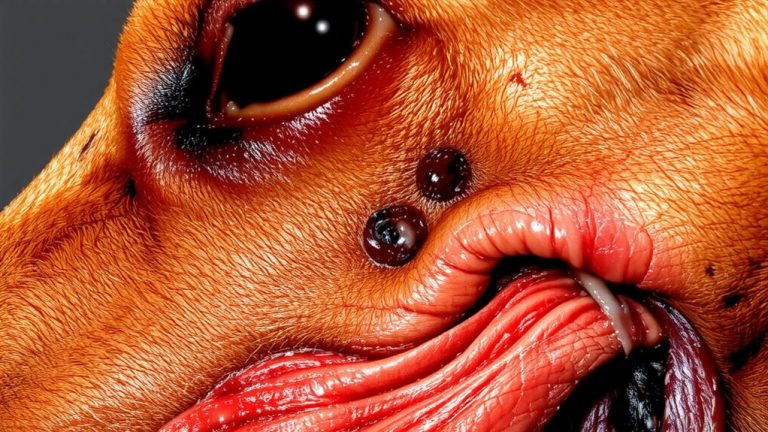
You’ll notice a cat bite abscess as a warm, swollen lump-often on the tail, neck, or leg-within 2–3 days of a fight. Your cat may limp, lick the spot, or seem off. Pus, sometimes foul-smelling, can rupture and drain. Vet treatment includes lancing, flushing with antiseptic, and antibiotics like Convenia® or Clavamox®. Pain relief such as Onsior™ helps too. Keep your cat indoors and consider spaying or neutering to cut risk by up to 80%. Learn what steps come next for full recovery.
We are supported by our audience. When you purchase through links on our site, we may earn an affiliate commission, at no extra cost for you. Learn more. Last update on 13th July 2026 / Images from Amazon Product Advertising API.
Notable Insights
- Look for painful, swollen lumps that are warm to the touch, often on the head, neck, or tail, appearing 2 to 3 days after a bite.
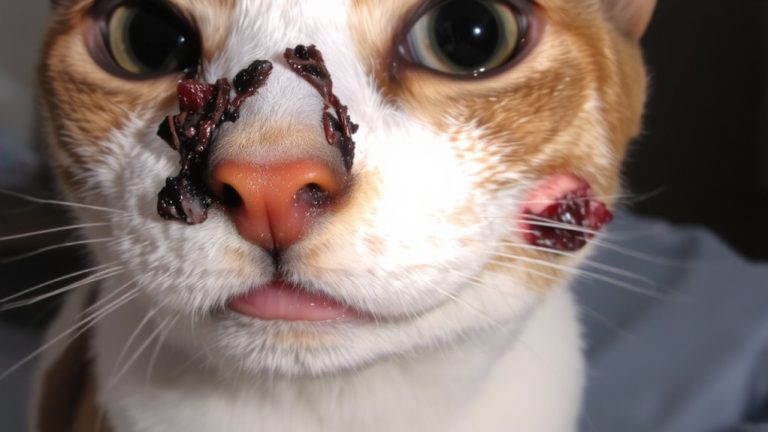
- Check for red, hairless skin that may rupture and drain foul-smelling pus, indicating an established abscess.
- Watch for fever, lethargy, loss of appetite, or limping, which suggest systemic infection from a cat bite abscess.
- Seek veterinary care for diagnosis, including physical exam, pus sampling, and possibly blood tests for underlying diseases like FIV or FeLV.
- Treat with professional drainage, antibiotics such as Clavamox®, pain relief, and prevent future abscesses by keeping cats indoors and neutering them.
What Is a Cat Bite Abscess?
When your cat gets into a scuffle with another cat, even a small bite can quickly turn into a serious problem, and that’s when you need to watch for a cat bite abscess. A cat bite drives bacteria deep under the skin, sealing it in a bite wound that traps infection. That’s how abscesses in cats start-a pocket of pus that forms as the body tries to fight off the invaders. These are typically painful swellings filled with pus, often appearing within 2 to 3 days on the tail, head, neck, or limbs. You’ll notice signs of pain when your cat flinches, licks the area, or acts withdrawn. Without prompt care, this pocket of pus can rupture, releasing foul-smelling fluid, and infections can spread to deeper tissues or bloodstream. Quick vet treatment prevents complications like sepsis or disease transmission.
Signs of a Bite-Related Abscess in Cats
You’ve probably noticed how fast a minor cat fight can escalate, and if your cat’s been in a tussle, you’ll want to keep a close eye on them for the next few days-abscesses often show up 2 to 3 days after the injury. If your cat was bitten, a painful, swollen lump may appear, warm to the touch and often on the tail, head, neck, or limbs. The skin might turn red, lose hair, or rupture, oozing foul-smelling pus that’s white, yellow, green, or brown. That sealed-over wound trapped bacteria under the skin, fueling infection. Watch for signs of a cat in pain: fever, lethargy, not eating, or moving stiffly. Abscesses are common in outdoor cats, but any cat can develop one after a bite. Recognizing these signs early helps guarantee quick treatment and prevents complications.
How Cat Bites Lead to Abscesses
Though cat bites might seem minor at first, they’re actually a prime setup for abscesses because those sharp teeth inject bacteria deep into the tissue. Cat bites introduces bacteria like Pasteurella multocida from the mouth, which thrives in warm, oxygen-poor areas beneath the skin. The small puncture often seals quickly, trapping pathogens and allowing the area to become infected. An abscess is a pocket of pus formed by dead white blood cells, bacteria, and fluid, usually developing within 2–3 days to develop. It’s commonly affected in unneutered male cats due to aggressive fights, with sites like the tail, head, neck, and limbs most at risk. Without care, pressure builds until the abscess ruptures, spreading infection. You’ll want to monitor bite wounds closely, especially in outdoor or social male cats, and seek veterinary care early to prevent complications.
How Veterinarians Diagnose Cat Abscesses
How do vets know it’s an abscess and not just a simple肿胀? They check for a cat abscess by finding swollen, painful areas that are hot to the touch-often from a bite or scratch. Abscesses are caused when bacteria get under the skin, usually from a scratch from another animal or a fight with another animal. If it’s near the face, your vet might suspect a tooth root abscess. They’ll likely do a fine needle aspirate to see pus, confirming the infection. Pus is a clear sign, and a culture helps identify bacteria like Pasteurella multocida. Blood tests screen for FIV or FeLV, common after bites. Ultrasound may be used if the abscess is deep, helping vets fully assess the damage and plan next steps.
Treating Cat Abscesses at the Vet
Once your vet confirms an abscess through physical exam and diagnostics like a fine needle aspirate or ultrasound, treatment kicks off right away to stop the infection from worsening. For Cat Abscesses, surgical lancing under sedation is typically performed to drain the pus, followed by flushing with antiseptic. Your vet may recommend antibiotics like Clavamox® or Convenia® to target common bite wound bacteria, including Pasteurella multocida. Pain relief is essential, so medications like Onsior™ are often given to reduce discomfort and swelling. If the abscess is deep or recurrent, a culture and sensitivity test helps pinpoint the right antibiotic. A drain might be placed to keep the wound clean and prevent re-accumulation. Testing for feline immunodeficiency virus may also be advised, especially in outdoor cats with frequent fights.
Home Care for Cat Abscesses
While your vet handles the medical side of the abscess, what you do at home plays a key role in your cat’s recovery, so follow these steps to keep the healing on track. If your cat with an abscess has a ruptured wound, clean a ruptured abscess gently with a warm, damp cloth once or twice daily to manage discharge. For an unruptured pocket, apply warm compresses for 10–15 minutes several times a day to ease pain and encourage drainage-never squeeze it. Always avoid harsh antiseptics like hydrogen peroxide or alcohol, which can damage the open wound. Use a Comfy Cone™ to prevent licking, ensuring the area stays clean. Administer all oral antibiotics as prescribed. Follow medication instructions exactly, even if the abscess looks better.
Preventing Cat Bite Abscesses
You’ve taken the right steps to care for your cat’s abscess at home, from gentle cleaning to using a Comfy Cone™ and sticking to prescribed antibiotics, but stopping another abscess before it starts is even better. To keep your cat safe, consider keeping them indoors-this alone reduces cats abscess risks to less than 5% compared to cats that go outdoors. Spaying or neutering lowers aggression, cutting bite wound risks by up to 80%. Dental care tackles common causes like tooth root infections, behind 10–15% of abscess cases. It’s important to follow routine vet checks for outdoor cats, since abscesses form in 2–3 days post-bite. Also, prevent FIV-positive cats from contact with unknown cats-the feline immunodeficiency virus weakens immune systems, letting infection spread throughout the body faster.
On a final note
Keep your cat healthy by watching for swelling, fever, or limping after a fight. Most abscesses need vet care-antibiotics like Clavamox, drainage, and pain meds like Onsior work fast. At home, clean with chlorhexidine, apply warm compresses 3 times daily, and use an e-collar to prevent licking. Prevent future abscesses with indoor living, Vaccination against FIV/FeLV, and prompt wound checks. Early action means quicker recovery.