Understanding Feline Triaditis: Linking GI, Liver, and Pancreatic Disease
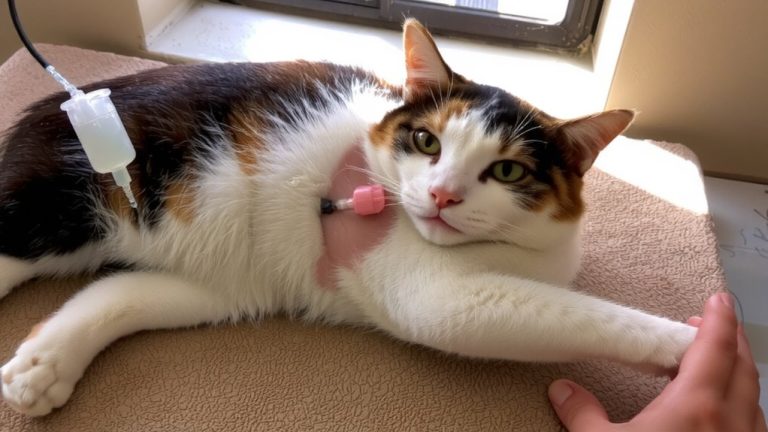
You’re seeing vomiting, jaundice, and appetite loss because your cat’s shared bile and pancreatic ducts let inflammation spread between the liver, pancreas, and intestines. Over half of cats with pancreatitis have triaditis, fueled by bacterial reflux during vomiting. Vets use spec-fPL tests, ultrasounds, and biopsies for diagnosis. Treat with amoxicillin-clavulanate, prednisolone, and a low-fat diet like Hill’s i/d or Royal Canin Gastrointestinal-many owners report improved energy within days. Adding SAMe and probiotics supports full-system recovery. There’s more to managing flare-ups effectively.
We are supported by our audience. When you purchase through links on our site, we may earn an affiliate commission, at no extra cost for you. Learn more. Last update on 19th July 2026 / Images from Amazon Product Advertising API.
Notable Insights
- Feline triaditis links inflammatory bowel disease, pancreatitis, and cholangiohepatitis due to shared biliary-pancreatic-intestinal anatomy.
- The merged pancreatic and common bile duct allows bacterial reflux during vomiting, spreading infection between organs.
- Over 50% of cats with pancreatitis also have triaditis, highlighting the condition’s high prevalence and interconnected nature.
- Clinical signs include vomiting, jaundice, abdominal pain, and appetite loss, reflecting multi-organ involvement.
- Diagnosis combines blood tests, Spec-fPL, ultrasound, and biopsy, while treatment involves antibiotics, anti-inflammatories, and supportive nutrition.
What Is Feline Triaditis?
Think of your cat’s digestive system as a closely connected network where problems in one area can quickly affect others-that’s exactly what happens with feline triaditis. It’s when your cat develops inflammatory bowel disease, pancreatitis, and cholangiohepatitis at once, all linked by shared anatomy. The pancreatic duct and common bile duct merge before entering the small intestine, creating a direct pathway for bacteria-especially during vomiting-to travel and spark inflammation across organs. That’s why an infection or immune flare-up in the gut can rapidly involve the liver and pancreas. Studies show over half of cats with pancreatitis also have triaditis, underlining how common this overlap is. The design of the feline biliary-pancreatic-intestinal axis makes your cat uniquely vulnerable. Early signs like appetite drops or soft stools mean prompt vet checks are essential. Spotting these early gives you the best shot at managing symptoms and supporting long-term digestive health.
Why Cats Are at Risk for Triaditis
Because your cat’s anatomy creates a direct link between the pancreas, liver, and intestines, they’re naturally more at risk for triaditis than many other pets. Their pancreatic duct joins the common bile duct before emptying into the small intestine, allowing inflammation or bacteria to spread easily between organs. When your cat vomits, gut contents-including bacteria from the small intestine-can reflux into the bile duct, triggering liver or pancreatic inflammation. The close connection means issues in one organ often affect the others. In fact, 50% to 56% of cats with pancreatitis also have triaditis. A high bacterial load in the feline small intestine, combined with this shared pathway, increases the chance of simultaneous cholangiohepatitis, pancreatitis, and bowel inflammation. This anatomical setup makes preventive care, balanced nutrition, and minimizing gastrointestinal stress key to protecting your cat’s long-term health.
Signs of Feline Triaditis
Cats often hide illness well, but with triaditis, the signs can slowly add up-and knowing what to watch for helps you take action early. You might notice your cat vomiting or having diarrhea due to gastrointestinal inflammation affecting the small intestine. Jaundice-yellowed eyes, gums, or skin-points to liver trouble. Decreased appetite and weight loss are red flags, often tied to pancreatitis and cholangiohepatitis. During acute flare-ups, your cat may show abdominal pain or fever, signaling systemic inflammation or infection. Increased thirst and urination, along with bloating, can stem from metabolic imbalances and fluid buildup. These overlapping symptoms mean treating feline triaditis early is essential. Watch for subtle changes in behavior, hydration, and litter box habits-they’re key clues. Early recognition supports faster vet intervention and better outcomes.
How Vets Diagnose Triaditis in Cats
How do vets pinpoint triaditis when symptoms overlap so closely with other conditions? They start by linking your cat’s vomiting, diarrhea, jaundice, or belly pain to bloodwork like CBC and chemistry panels. They’ll often run a Spec-fPL test-it detects pancreatic inflammation even when routine lab values look normal. An abdominal ultrasound is key, revealing thickened intestines, a swollen pancreas, or blocked bile ducts. Since triaditis involves the liver, pancreas, and intestines, vets check all three, even if signs seem limited to one area. For a definitive diagnosis, they might perform a biopsy-via fine needle or wedge resection-to confirm inflammation. This info guides your cat’s medical treatment, depending on the severity, ensuring the plan matches what’s really happening inside.
Treating All Three Aspects of Triaditis
While treating triaditis might seem overwhelming at first, tackling it head-on with a plan that targets the pancreas, liver, and intestines together gives your cat the best shot at feeling better and staying stable. Bacterial infections are common causes of flare-ups, so vets often prescribe antibiotics like amoxicillin-clavulanate to prevent complications. Anti-inflammatories such as prednisolone help reduce swelling across all three organs, while a highly digestible, low-fat diet supports healing. Nutritional support is key-many cats do well on prescription foods like Hill’s i/d or Royal Canin Gastrointestinal. Biopsy-confirmed treatment plans lead to better long-term outcomes, since triaditis often relapses.
| Treatment Target | Common Therapy |
|---|---|
| Pancreas | Prednisolone, low-fat diet |
| Liver | Antibiotics, SAMe supplements |
| Intestines | Probiotics, hypoallergenic food |
On a final note
You can manage feline triaditis by staying alert for subtle signs like vomiting, weight loss, or reduced appetite. Work with your vet to confirm diagnosis through blood tests, ultrasound, and clinical history. Treat all three components-gut, liver, and pancreas-simultaneously. Use vet-prescribed anti-inflammatories, probiotics like FortiFlora, and a highly digestible, low-fat diet such as Hill’s i/d. Consistent monitoring, scheduled meals, and stress reduction improve outcomes long-term.