Recognizing and Managing Canine Elbow Dysplasia in Growing Puppies
If your large-breed puppy limps after play by 5–6 months, it could be elbow dysplasia-a genetic mismatch in the humerus, radius, or ulna causing pain, swelling, and arthritis. Look for inward toe-turning, stiffness, or reluctance to climb. Diagnosis often needs CT scans or arthroscopy since X-rays miss fragmented coronoid processes. Surgery helps 85% of FCP cases; UAP repair works best before 6 months. Manage long-term with carprofen, Adequan, glucosamine, omega-3s, weight control, and swimming-there’s more to keeping your pup active and comfortable.
We are supported by our audience. When you purchase through links on our site, we may earn an affiliate commission, at no extra cost for you. Learn more. Last update on 19th July 2026 / Images from Amazon Product Advertising API.
Notable Insights
- Elbow dysplasia is a developmental joint disorder in young dogs, commonly caused by a fragmented medial coronoid process.
- Lameness after exercise, joint swelling, and altered gait are early signs in puppies aged 4–10 months.
- Diagnosis typically requires CT scans or arthroscopy, as X-rays often miss fragmented coronoid processes.
- Arthroscopic surgery effectively treats FCP, while UAP often requires early surgical intervention before 6 months.
- Long-term management includes weight control, NSAIDs, joint supplements, and low-impact exercise like swimming.
What Is Elbow Dysplasia in Dogs?
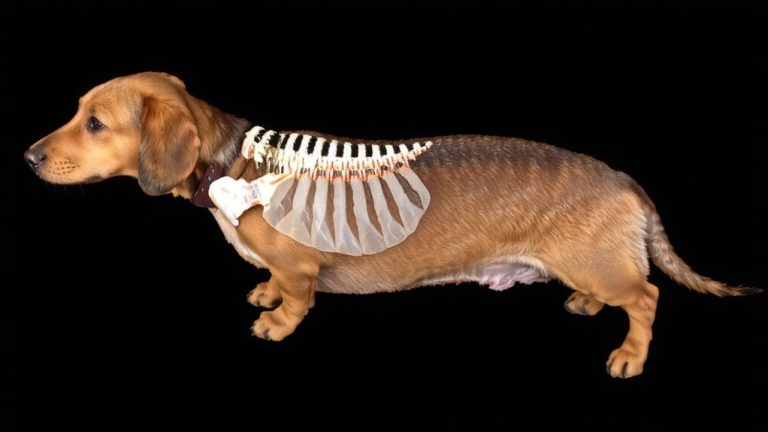
Think of elbow dysplasia as a mechanical mismatch in your puppy’s front leg, where the three bones-the humerus, radius, and ulna-fail to fit together smoothly during growth. In dogs, this abnormal development disrupts the elbow joint, especially in young dogs prone to growth abnormalities. The most common issue, fragmented medial coronoid process (FCP), happens when a piece of the ulna cracks and separates, causing pain and joint instability. Uneven weight distribution increases pressure inside the joint, leading to lameness and discomfort. Elbow dysplasia is largely genetic, typically showing up between 4 to 12 months. Large-breed puppies are most at risk, so early joint support, balanced nutrition, and controlled exercise are key. Regular vet checks help catch subtle changes before arthritis develops. You’re not just managing symptoms-you’re shaping long-term joint health.
Early Signs of Elbow Dysplasia in Puppies
A subtle limp after playtime might be more than just puppy fatigue-it could be the first sign of elbow dysplasia, especially if your dog is a large breed like a Labrador Retriever or German Shepherd. You’ll want to watch for early signs between 4 to 12 months old, when lameness often appears. It typically worsens after exercise and doesn’t fully resolve with rest. Puppies may hide pain, but clinical signs like joint swelling, stiffness, or an odd gait can tip you off. Watch for inward rotation of the front legs or outward-turned paws-these changes help reduce joint pain during movement.
| Age Range | Clinical Sign | Behavior Change |
|---|---|---|
| 4–6 mos | Mild lameness | Reluctance to jump |
| 6–8 mos | Joint pain | Limping after play |
| 8–10 mos | Swelling | Reduced activity |
| 10–12 mos | Altered gait | Avoiding stairs |
| >12 mos | Persistent lameness | Lying down more |
Some puppies with mild dysplasia show few symptoms, only developing issues later.
How Is Elbow Dysplasia Diagnosed?
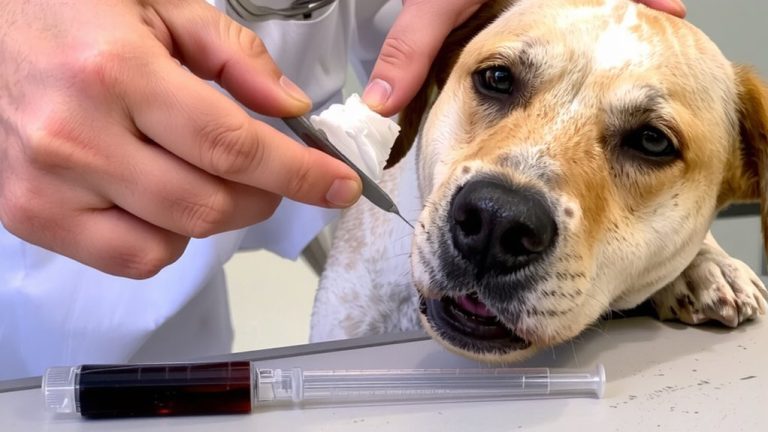
Spotting a slight limp or stiffness in your puppy’s front legs after playtime might have you wondering what’s really going on inside those growing joints, and if it’s more than just tired muscles. Elbow dysplasia can’t be reliably diagnosed before 4 to 6 months due to developing growth plates. Your vet will consider persistent lameness, pain on full flexion or extension, swelling, and reduced range of motion during the diagnosis. Radiographs, including flexed views of both elbows, are the first step and can detect issues like ununited anconeal process (UAP), defined as a defect over 5 mm. But fragmented coronoid process (FCP), the most common form, often hides on X-rays-so a CT scan is usually needed. For definitive diagnosis and evaluation of joint damage, arthroscopy offers direct visualization. This advanced imaging and hands-on assessment guarantees an accurate diagnosis, guiding your next steps.
Treatment Options for Dogs With Elbow Dysplasia
Most puppies with elbow dysplasia benefit from early, targeted treatment, and your vet will likely recommend surgery if your dog has moderate to severe fragmented medial coronoid process (FCP), with arthroscopic surgery improving lameness in 85% of cases even though arthritis may still progress over time. Surgical treatment is also standard for ununited anconeal process (UAP), often requiring removal or reattachment before 6 months for best results; ulnar osteotomy may help correct alignment. If surgery isn’t an option, medical management includes non-steroidal anti-inflammatory drugs like carprofen, joint supplements with glucosamine and chondroitin, and Adequan injections. Weight control is critical-every extra pound increases joint stress. Moderate exercise and physical therapy support mobility. Though arthroscopic surgery remains a top choice for fragmented coronoid process, always discuss risks, especially since elbow replacement is costly and complex. You’ve got options to keep your pup comfortable and moving.
Managing Life With Elbow Dysplasia at Home
You’ve likely already tackled treatment decisions with your vet, and now it’s time to focus on what happens at home, where daily care makes all the difference. Managing your dog’s weight is essential-every extra pound worsens lameness and accelerates degenerative joint disease. Your veterinarian may recommend a mix of daily NSAIDs, like carprofen, and joint supplements with glucosamine and omega-3s to reduce signs of pain. Even after surgery, consistent home-based physical therapy-such as passive range-of-motion exercises and gentle massage-helps maintain mobility. Stick to short, controlled walks on-leash; swimming is ideal for low-impact exercise. These steps aren’t just supportive-they’re core treatment elements. Dogs with elbow dysplasia thrive when routines are predictable and joint stress is minimized. Stay vigilant, stay consistent, and you’ll give your dog the best chance at a comfortable, active life.
On a final note
You’ve got this-catching elbow dysplasia early means better mobility long-term. Keep puppy weight in check with measured meals, 2–3 cups of vet-approved joint-support kibble daily, depending on breed. Use orthopedic memory foam beds, like the Kuranda 36-inch model, and limit stair use. Real owners report puppies on glucosamine chews, like Cosequin for Dogs, show improved comfort in 6–8 weeks. Stay consistent, monitor gait weekly, and stick to low-impact walks.