How to Identify and Treat Skin Infections in Dogs and Cats
Watch for red, scaly skin, hair loss, or greasy patches with a musty smell-common signs of bacterial or yeast infections like Malassezia dermatitis. Excessive licking, especially on paws or ears, often comes first. Fleas, allergies, and infections overlap in symptoms, so vet testing is key. Treat with medicated shampoos like Douxo® or KetoChlor®, plus antibiotics or antifungals as directed. Use omega-3s daily and clean bedding weekly to support healing, and discover how simple changes can make a big difference in your pet’s skin health.
We are supported by our audience. When you purchase through links on our site, we may earn an affiliate commission, at no extra cost for you. Learn more. Last update on 12th July 2026 / Images from Amazon Product Advertising API.
Notable Insights
- Look for excessive licking, redness, hair loss, or greasy skin with a musty odor as early signs of infection.
- Fleas, allergies, and infections cause similar symptoms; only a vet can accurately diagnose the cause.
- A vet may perform skin scrapings, cytology, or fungal cultures to identify bacterial, yeast, or fungal infections.
- Treat bacterial infections with antibiotics and chlorhexidine shampoos; use antifungals like miconazole for yeast overgrowth.
- Seek immediate care for oozing sores, swelling, or lethargy, and prevent licking with Elizabethan collars at home.
Signs Your Pet Has a Skin Infection
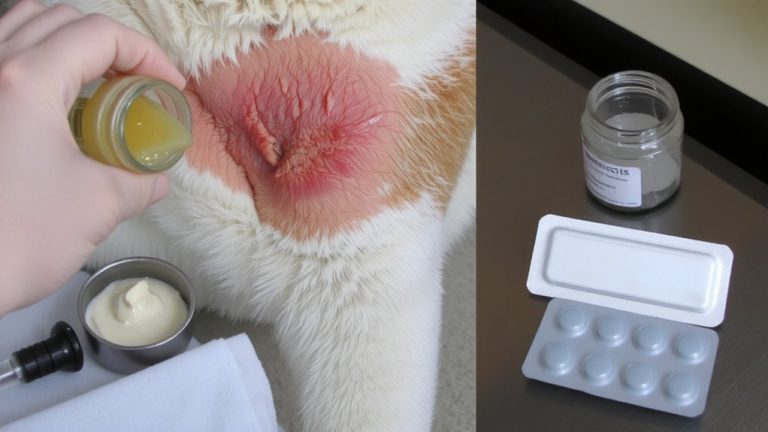
You’ll want to keep an eye out for signs your pet might be dealing with a skin infection, since early detection can prevent bigger issues down the road. Watch for excessive licking, especially on paws or ears, which often accompanies itchy skin and inflamed skin. Common signs of skin infections include red patches, hair loss, scaly skin, and bumps on the skin that may ooze or crust. Black debris in ears or greasy, waxy skin could point to yeast overgrowth like Malassezia dermatitis. A musty odor, combined with reddish-brown discoloration, is another red flag. Many owners miss early symptoms-60% in dogs, 72% in cats-so check daily. If you spot persistent redness, swelling, or sores resembling hot spots, it’s time to act. These visible cues, paired with behavioral changes like rubbing or whimpering while grooming, mean your pet likely needs professional care to clear up skin infections fast.
Fleas vs. Allergies vs. Infections: How to Tell the Difference?
Telling the difference between fleas, allergies, and skin infections in your pet can be tricky, since all three often lead to scratching, redness, and hair loss-especially around the ears, paws, and belly. Flea bites cause intense itching and can trigger allergic reactions in one out of four dogs, leading to skin damage. Allergies overstimulate the immune system, while skin infections-like bacterial or yeast overgrowth-often follow when the skin barrier breaks down. Remember, your pet’s skin is the largest organ and a key health indicator. Though symptoms overlap, only veterinary care and diagnostic tests like skin scrapings or fungal cultures can pinpoint the real cause. Misdiagnosing yeast infections or ringworm as allergies delays proper treatment. Early intervention gives better treatment options and faster relief. Don’t guess-get accurate answers to stop discomfort and prevent secondary issues.
What Happens During a Pet Skin Diagnosis
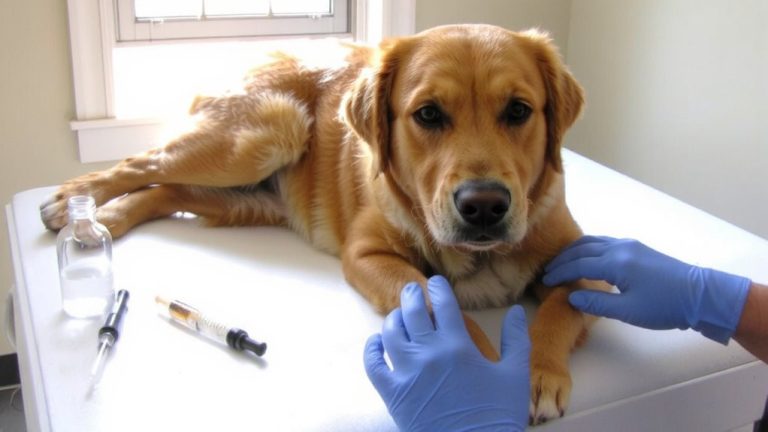
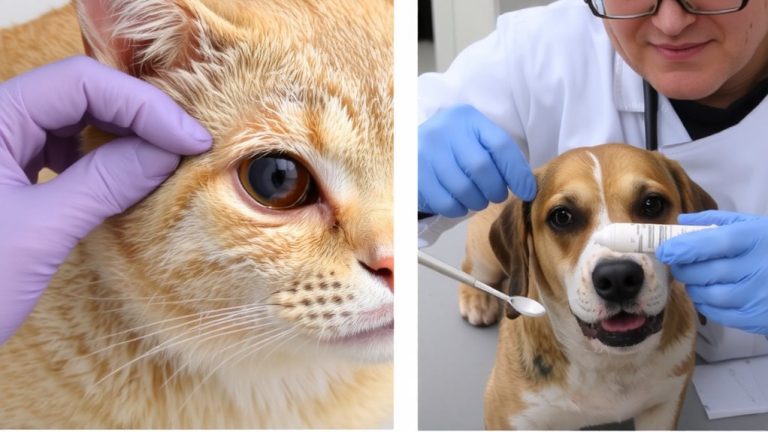
How do vets get to the root of your pet’s skin troubles? Your veterinary team starts with a detailed physical exam, checking your pet’s skin, coat, and any patterns of hair loss or inflammation. They’ll review your pet’s medical history, diet, grooming routine, and environmental exposure to uncover clues. Since skin disease can stem from allergies, parasites, or underlying health issues, accurate diagnosis is key. They’ll likely run diagnostic tests like skin scrapings to find mites, fungal cultures for ringworm, and cytology to detect bacteria or yeast. Blood tests may reveal hormonal imbalances like hypothyroidism, which contribute to chronic skin problems. At Cornell University Hospital for Animals, 22% of cats had multiple concurrent skin diseases, showing how complex diagnosis can be. These steps guarantee your pet gets the right care, fast.
Treatments for Bacterial, Fungal, and Yeast Skin Infections
While your pet’s skin infection might seem straightforward, treatment depends heavily on identifying whether bacteria, fungi, or yeast are to blame, and each type responds best to specific interventions. Bacterial skin infections often need oral antibiotics and medicated shampoos with chlorhexidine to kill bacteria and soothe irritation. For yeast infections caused by Malassezia, especially in warm, moist skin folds, ears, and paws, antifungal medications and shampoos containing miconazole are effective. Fungal infections like ringworm require confirmed diagnosis and combined therapy, including topical and oral antifungals. Hot spots respond quickly to antimicrobial sprays like Vetericyn® Plus, along with antibiotics. Medicated shampoos play a key role-KetoChlor® and Douxo® help manage both bacterial and yeast overgrowth while supporting skin barrier recovery.
At-Home Care for Pet Skin Infections
Ever wonder why some pets bounce back faster from skin infections than others? It’s often due to consistent at-home care. You can manage skin inflammation and support healing with regular grooming, medicated shampoos like KetoChlor® or Douxo®, and parasite control. Prevent licking or chewing with Elizabethan collars, and soothe irritated skin using omega-3 fatty acids in daily meals. Washing bedding weekly cuts allergens and boosts recovery, especially for allergy-related skin infections. Pair these home care steps with routine skin checks to catch redness or hair loss early.
| Care Step | Product Example | Frequency |
|---|---|---|
| Medicated shampoos | Douxo® | 2–3 times/week |
| Washing bedding | Pet-safe detergent | Weekly |
| Omega-3 supplements | Fish oil capsules | Daily with food |
This practical home care plan makes a real difference.
6 Red Flags That Mean Your Pet Needs a Vet Now
One in 10 dogs develops a skin condition severe enough to need emergency vet care, and knowing when to act can make all the difference. If your pet shows red flags like persistent scratching that creates raw, oozing sores or spreading hot spots, get to the vet now-these can quickly turn into severe skin infections. Circular, scaly, hairless patches may be ringworm, but only a vet can confirm it, since 1% of owners spot it correctly. Sudden facial swelling or breathing difficulties mean a serious allergic reaction-this is an emergency. Also seek help if lethargy, appetite loss, or widespread rashes appear. Suspect Sarcoptes mites or fleas? Intense itching and hair loss need professional diagnosis via skin scrapings. Don’t wait-timely vet care prevents complications and gets your pet relief fast.
On a final note
You know the signs, you’ve checked for fleas, allergies, and infection-now act fast with the right treatment. Use chlorhexidine shampoo (2%) for bacterial issues, ketoconazole wipes for yeast, and keep skin dry. Feed a balanced diet with omega-3s (100–300 mg EPA per 10 lbs) to support healing. If your pet’s skin is oozing, raw, or not improving in 5 days, see your vet. Quick action means quicker relief.