Understanding Lymphoma in Dogs and Cats: Diagnosis and Treatment Options
You can catch lymphoma early in your dog or cat by spotting enlarged lymph nodes, weight loss, or vomiting. Vets use fine needle aspirates, then biopsies and immunophenotyping to confirm B-cell or T-cell types. Staging includes bloodwork, ultrasound, and sometimes bone marrow tests. Dogs typically respond well to CHOP chemo-85% reach remission, living 12–24 months with B-cell disease. Cats with GI lymphoma often improve on oral chlorambucil and prednisone. New tools now help track hidden cancer cells, giving you a clearer picture of your pet’s path forward.
We are supported by our audience. When you purchase through links on our site, we may earn an affiliate commission, at no extra cost for you. Learn more. Last update on 19th July 2026 / Images from Amazon Product Advertising API.
Notable Insights
- Lymphoma in pets is a cancer of lymphocytes, with multicentric form most common in dogs and gastrointestinal form prevalent in cats.
- Diagnosis starts with fine needle aspirate, but biopsy and immunophenotyping are needed for definitive classification and treatment planning.
- Staging involves bloodwork, imaging, and sometimes bone marrow analysis to determine disease extent and prognosis.
- Chemotherapy, especially CHOP protocol, induces remission in 80%–90% of dogs, with B-cell cases having better survival than T-cell.
- Cats with small cell lymphoma often respond well to oral chlorambucil and prednisone, achieving over 90% remission rates.
Understanding Lymphoma in Dogs and Cats
What exactly is going on when your dog or cat gets diagnosed with lymphoma? Lymphoma in dogs and cats is a cancer of the lymphatic system, where abnormal lymphocytes multiply uncontrollably. In dogs, multicentric lymphoma accounts for 80–85% of cases, often showing as enlarged lymph nodes. Your vet may suspect lymphoma diagnosis based on physical exams and confirm it with biopsies. While lymphoma in cats more commonly affects the gastrointestinal tract, dogs face higher risk, especially breeds like golden retrievers and boxers. The disease mirrors non-Hodgkin’s lymphoma in humans and involves organs like the spleen and thymus. Subtypes include B-cell lymphoma and T-cell lymphoma, which guide treatment choices. Chemotherapy for dogs typically improves remission rates, with many responding well. Understanding your pet’s lymphatic system helps you make informed decisions about care, testing, and therapy options early on.
Lymphoma Symptoms in Dogs vs. Cats
Swollen lymph nodes are often your first clue something’s off when it comes to canine lymphoma-especially since over 80% of dog cases fall under the multicentric type, where you’ll feel firm, painless enlargements in the neck, behind the jaw, or near the knee. In dogs, these external lymph node signs are common, and pets may seem otherwise healthy despite the cancer’s progression. Cats, though, are more likely to be diagnosed with internal forms, especially in the gastrointestinal tract, showing vague signs like vomiting, weight loss, and diarrhea. Feline mediastinal lymph also brings coughing or trouble breathing due to chest lymph involvement. While dogs often present with visible node swelling, cats display subtler symptoms, making early veterinary detection essential. Extranodal signs-like skin or eye changes-occur in both, but cutaneous lymph is rare and more common in dogs. Watch for persistent, unexplained changes; early care improves outcomes.
How Vets Diagnose Lymphoma in Pets
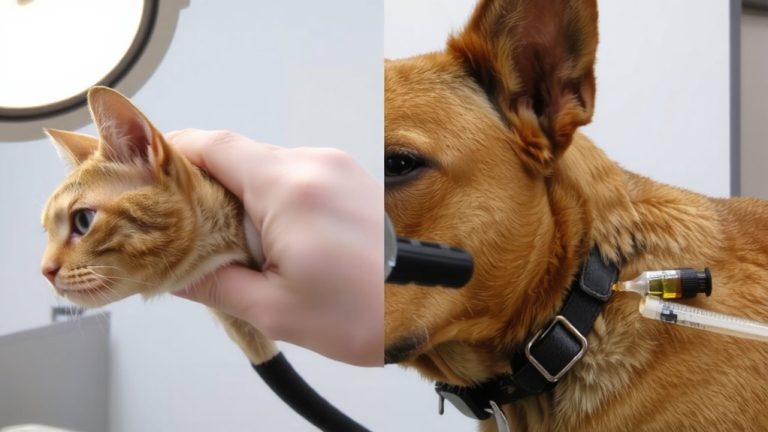
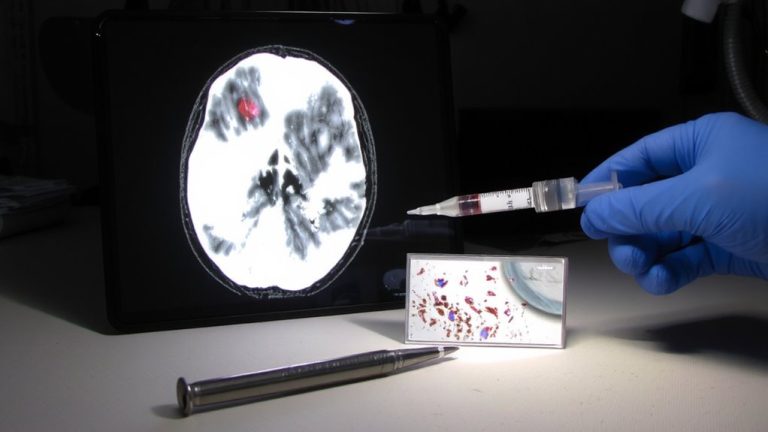
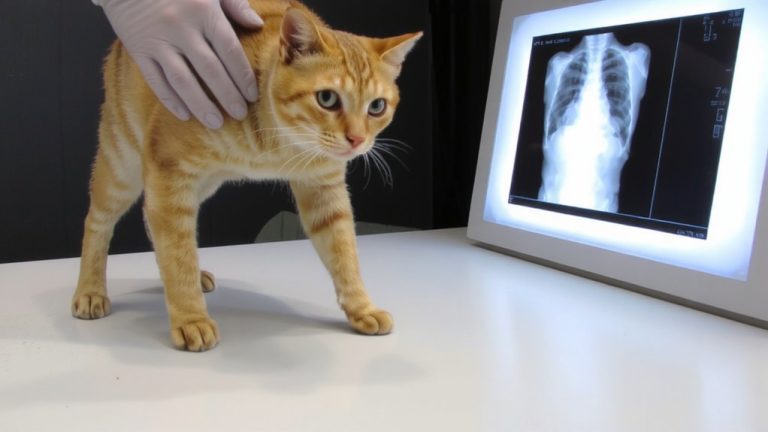
While you might first notice changes in your pet’s behavior or body, a vet will rely on diagnostic testing to confirm lymphoma, starting with a fine needle aspirate (FNA) of any enlarged lymph nodes. The FNA is quick and low-cost, checking for abnormal lymphocytes, but a biopsy is often needed for definitive diagnosis, especially in small cell or unclear cases. To determine cell type, immunophenotyping via flow cytometry or PARR (clonality testing) identifies whether the cancer is B-cell or T-cell, guiding prognosis and therapy. These tests require fresh, viable cells and rapid processing. A full staging workup includes a complete blood cell count, serum chemistries, urinalysis, thoracic radiographs, and abdominal ultrasound to assess organ involvement. Bone marrow aspiration may follow if Stage V disease is suspected.
Lymphoma Staging: What the Phases Mean
Staging lymphoma helps you and your vet understand how far the cancer has spread, guiding treatment decisions and setting realistic expectations. Lymphoma staging ranges from Stage I to Stage V, with higher stages indicating more widespread disease. Here’s what you need to know:
| Stage | Key Features | Common Diagnostics |
|---|---|---|
| Stage III | Multiple peripheral lymph nodes affected | Thoracic radiographs, bloodwork |
| Stage IV | Liver or spleen involvement | Abdominal ultrasound, lab tests |
| Stage V | Bone marrow or CNS infiltration | Bone marrow aspirate, advanced imaging |
Most dogs are diagnosed at Stage III, which typically has a better prognosis than Stage IV or Stage V. Your vet will use tests like abdominal ultrasound and thoracic radiographs to determine the stage. Accurate staging shapes treatment protocols and helps predict outcomes. Early, thorough evaluation gives your pet the best chance for a positive response.
Treatment Options for Dogs and Cats
Chemotherapy stands as the cornerstone of treatment for lymphoma in dogs and cats, offering the best chance for remission and extended quality life. Once the diagnosis of lymphoma is confirmed and types of lymphoma identified, your vet will recommend treatment options based on clinical signs and disease stage. Most dogs tolerate chemotherapy well, with over 80% handling CHOP protocols with only mild side effects like occasional vomiting or reduced appetite. CHOP achieves 85–95% complete remission, with median survival times near one year. Cats with small cell gastrointestinal lymphoma respond well to oral chemotherapy, reaching remission in over 90% of cases and surviving two to four years. Large cell types of lymphoma are more aggressive, with shorter median survival times. Palliative care like prednisone alone may briefly improve quality of life but offers shorter remission.
Survival, Remission, and New Therapies
You’ve probably already heard that chemotherapy can put your dog or cat’s lymphoma into remission, but what happens next matters just as much. With chemotherapy, about 80%–90% of dogs achieve remission, and those with B-cell lymphoma often have a median survival of 12–24 months, compared to 7–8 months for T-cell lymphoma. Cats with small cell gastrointestinal lymphoma do well too, over 90% entering remission using oral chlorambucil and prednisone, living 2–4 years. Untreated, survival is just 4–6 weeks. Even in remission, minimal residual disease can linger. New machine learning tools are helping detect these hidden cancer cells, improving relapse prediction. These advances allow vets to adjust treatments earlier, potentially extending survival. Staying on protocol, attending checkups, and using emerging diagnostics give your pet the best shot at long-term remission.
On a final note
You’re not powerless when facing lymphoma in your dog or cat, and early vet visits boost outcomes. Watch for swollen glands, fatigue, or appetite shifts-especially in breeds like Boxers or Siamese cats. Diagnosis often includes bloodwork, ultrasounds, and biopsies. Staging guides treatment: chemo protocols like CHOP help achieve remission in 60–80% of dogs, with survival up to 12–14 months. Nutrient-rich diets, consistent meds, and weekly wellness checks support recovery.