How to Recognize and Treat Ear Mites in Cats and Dogs
You’ll notice ear mites if your pet scratches constantly, shakes their head, or has dark, coffee-ground-like debris in their ears. These tiny parasites thrive in ear canals, feeding on wax and debris. Your vet can confirm with an otoscope or ear swab, then prescribe treatments like Revolution, Advantage Multi, or Bravecto-all proven to kill mites within a month. Treat all pets and wash bedding in hot water. Stick with the full 3-week course to stop reinfestation, and discover how simple steps can protect your pet year-round.
We are supported by our audience. When you purchase through links on our site, we may earn an affiliate commission, at no extra cost for you. Learn more. Last update on 19th July 2026 / Images from Amazon Product Advertising API.
Notable Insights
- Ear mites are caused by Otodectes cynotis, tiny parasites living in ear canals and spreading through direct animal contact.
- Look for persistent ear scratching, head shaking, dark coffee-ground-like discharge, and inflamed or scabbed ears in pets.
- A vet diagnoses ear mites using an otoscope or microscopic exam of ear debris to confirm live mites.
- Treat with vet-prescribed products like Revolution, Advantage Multi, or Bravecto for at least three weeks to kill all life stages.
- Prevent reinfection by treating all pets, washing bedding, and using year-round parasite prevention medications.
What Are Ear Mites in Cats and Dogs?
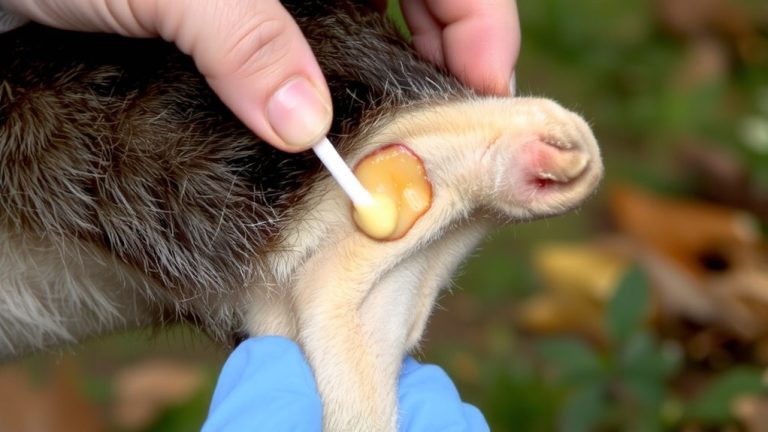
Ear mites, or Otodectes cynotis, are tiny parasites you can sometimes spot as little white dots crawling in your pet’s ears, especially against a dark background. These microscopic arachnids live in the ear canal of cats and dogs, feeding on earwax and skin debris. Otodectes cynotis is highly contagious, spreading easily through direct contact, so kittens, puppies, and outdoor pets are especially at risk. You’ll notice your pet scratching at their ears constantly, shaking their head, or showing signs of discomfort. A key indicator is the presence of dark discharge-crumbly, coffee-ground-like residue in the ear canal. The mites’ life cycle lasts about 3 weeks, and adults can live up to 2 months, continuously reproducing. Quick action helps stop infestation from spreading.
7 Signs Your Pet Has Ear Mites
Have you noticed your cat or dog frantically scratching their ears or shaking their head like it’s stuck on repeat? These are common symptoms of ear mites. Ear mites in pets cause intense itching, leading to red, inflamed ears and hair loss, especially around the ear margins or neck. A key sign is the dark waxy discharge-resembling coffee grounds-made of ear debris, wax, and mite residue, often seen in a cat’s ears. You might also spot scabs or crusted rashes. Ear mites are highly contagious and spread through contact with another infested animal, so kittens, puppies, and outdoor pets are especially at risk. These signs of ear mites aren’t just uncomfortable; untreated cases can lead to aural hematomas or infections. Recognizing symptoms of ear mites early helps prevent complications. Ear Mites in Cats require prompt attention-don’t wait until damage worsens.
How Vets Diagnose Ear Mite Infestations
Wondering how your vet confirms those relentless ear mites after you’ve seen your cat scratching nonstop? Veterinarians diagnose ear mite infestations using an otoscope to peer into your pet’s ears, where live mites, known as Otodectes cynotis, appear as tiny, moving white specks. Since ear mites are highly contagious and symptoms mimic other ear infections, a cotton swab collects debris for microscopic exam-this is how vets diagnose ear mites accurately. Mites are highly contagious between pets, so quick, correct identification is key. The scope check, combined with cytology, rules out yeast or bacteria. If your pet’s ears are too sore, sedation may be needed for a thorough look. Ear mites are highly irritating, but with proper vet tools like the otoscope and lab analysis, diagnosis is clear, fast, and essential before starting treatment.
Prescription Treatments That Kill Ear Mites
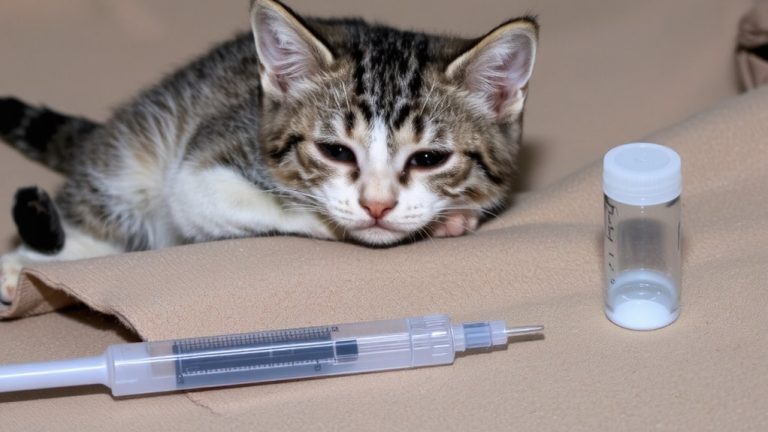
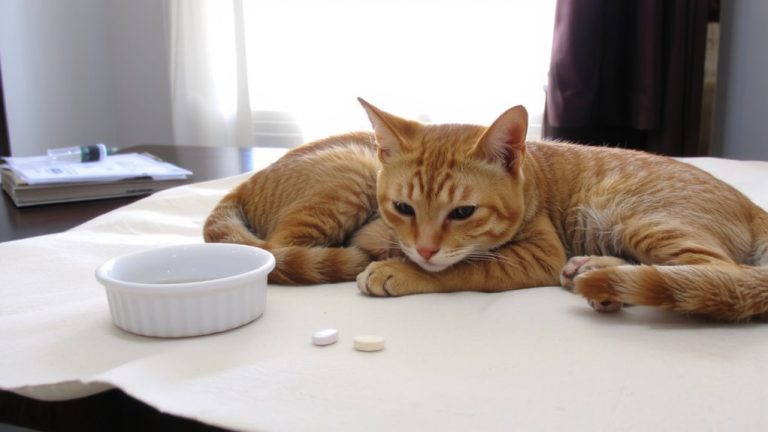
While over-the-counter options may seem convenient, prescription treatments are the most effective way to eliminate ear mites in cats and dogs, since they’re formulated to target the parasite at key stages of its life cycle. These vet-approved products are designed to kill ear mites and prevent reinfestation across all pets in the household. Below are common treatment options:
| Product | Type | Target Species |
|---|---|---|
| Revolution (selamectin) | Topical or oral | Cats & dogs |
| Advantage Multi | Topical | Cats & dogs |
| Bravecto (fluralaner) | Oral | Dogs |
| Milbemite (milbemycin) | Oral | Dogs |
These prescription treatments can treat ear mites with as few as one dose, but consistency matters-treatment must last at least 3 weeks to cover the full life cycle. Even if only one pet shows symptoms, all pets in the household should be treated to fully kill ear mites and prevent spread.
Do Ear Mites Go Away on Their Own?
How long before those tiny, relentless mites clear up on their own? Not anytime soon-ear mites won’t go away without treatment. Mites reproduce quickly, completing their life cycle on your cat or dog and laying eggs that hatch into new generations. Adult ear mites live up to two months, constantly spreading infestation. Even worse, untreated mites often lead to secondary infections, making your pet uncomfortable and treatment more complex. You’ll need a proper treatment plan because no medication kills mite eggs or pupae, so skipping doses means mites survive. If one pet in your home has ear mites, others can easily contract ear mites through contact. To truly rid of ear mites, all pets must be treated at the same time. Without action, your cat or dog stays at risk-prompt treatment is essential for ending the cycle.
How to Prevent Ear Mites in Pets
Because ear mites spread easily and cause significant discomfort, taking proactive steps now can save your pet from weeks of itching and treatment. Ear mites are often a common cause of ear irritation in pets, especially when they come in contact with another animal that’s infected. To Prevent Ear Mites, use year-round veterinarian-recommended parasite prevention like Revolution (selamectin) or Advantage Multi-they’re proven effective. Check all pets’ ears regularly, since routine exams help catch issues before they worsen. If one pet is diagnosed, treat all household pets at once, since mites spread quickly through direct contact around the ears. Wash bedding, toys, and shared items in hot water to kill lingering mites. Avoid exposure to infected animals, particularly in shelters or boarding facilities where close contact increases risk.
On a final note
You’ll know ear mites are gone when your pet stops scratching, and the dark, crumbly debris clears-usually within 2–3 weeks of using prescribed drops like Revolution or Advantage Multi. Always treat all pets, clean bedding, and follow your vet’s schedule. Left untreated, mites worsen, so act fast. Regular ear checks, monthly preventives, and quick response keep ears healthy, itch-free, and infection-free-your pet counts on you to stay ahead.