The Proper Way to Bathe a Cat With Sensitive Skin Using Hypoallergenic Shampoo
Use a hypoallergenic, cat-specific shampoo like DermAllay Oatmeal or Virbac Epi-Soothe to protect your cat’s sensitive skin. Brush their coat first, then wet with lukewarm water at about 100°F. Gently massage in the shampoo, let it sit 5–10 minutes, and rinse thoroughly to avoid residue. Pat dry with a soft towel and keep them warm. You’ll see how small steps make a big difference in their comfort and skin health.
We are supported by our audience. When you purchase through links on our site, we may earn an affiliate commission, at no extra cost for you. Learn more. Last update on 19th July 2026 / Images from Amazon Product Advertising API.
Notable Insights
- Brush your cat’s coat thoroughly before bathing to remove tangles and prevent matting.
- Use lukewarm water (around 100°F) to wet the coat, avoiding the face and ears.
- Apply a hypoallergenic, cat-specific shampoo gently with light massaging strokes.
- Let the shampoo sit for 5–10 minutes as directed, then rinse completely to remove all residue.
- Pat dry with a soft towel and keep your cat warm; use hypoallergenic wipes between baths.
Choose the Safest Shampoo for Sensitive Cat Skin
While your cat’s skin might seem tough, it’s actually delicate and prone to irritation, especially if they’re already sensitive. You should only use a hypoallergenic, cat-specific shampoo to protect their sensitive skin. Products like DermAllay Oatmeal Shampoo, rated 4.7/5 from 375 reviews, contain soothing oatmeal and aloe vera to calm inflammation and reduce allergic reactions. Never use dog shampoos or harsh cleaners like dish soap-they strip natural oils and worsen irritation. For tougher skin issues, a medicated shampoo such as Virbac Epi-Soothe Shampoo (8-fl oz, $11.20) offers mild antiseptics that support dermatological health while remaining safe for cats. Always check with your veterinarian before choosing a shampoo, especially if your cat has sores, allergies, or parasites. Your vet can guide you to the best formula for long-term skin wellness.
How to Bathe a Cat With Sensitive Skin (Step by Step)
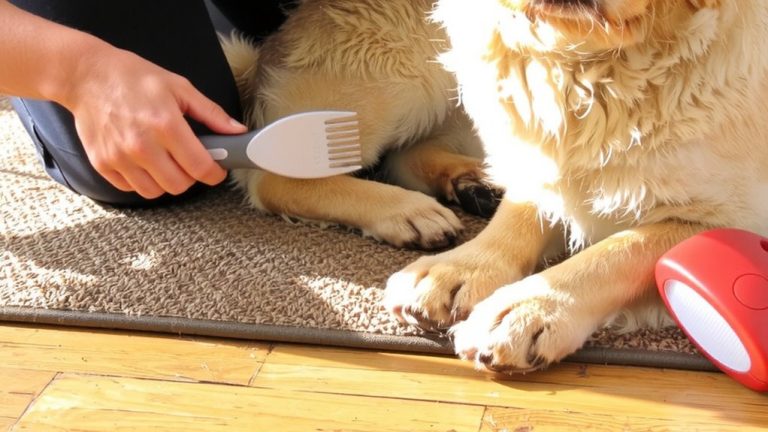
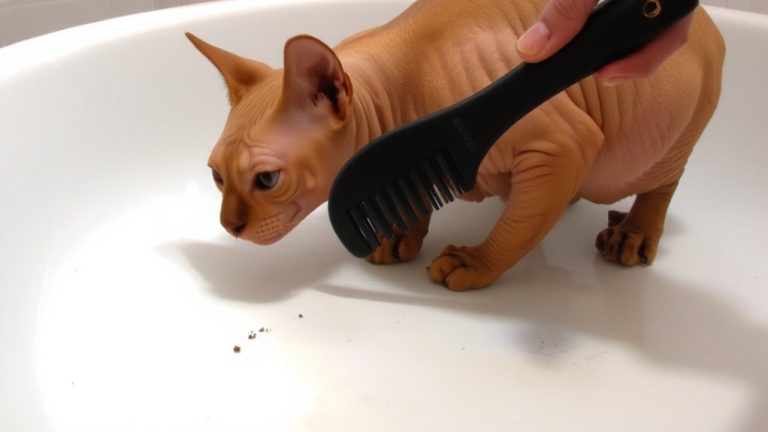
Since your cat’s sensitive skin needs extra care during bath time, start by brushing their coat thoroughly to remove any tangles, loose fur, or debris-this prevents mats from tightening when wet and helps the shampoo reach the skin evenly. When bathing, use lukewarm water (around 100°F) and a non-slip mat to keep your cat calm and safe. Gently apply a hypoallergenic, veterinarian-recommended shampoo like DermAllay Oatmeal Shampoo, massaging from neck to tail with light strokes to avoid skin irritation. Let the shampoo sit for 5–10 minutes as directed for full effect. Then rinse completely with lukewarm water-any residue can cause irritation. Finally, dry gently with a soft towel and keep your cat warm. This careful routine supports sensitive skin and makes bathing safer, calmer, and more effective.
Post-Bath Care to Calm and Protect Sensitive Skin
After you’ve rinsed off the last trace of hypoallergenic shampoo and lifted your cat from the bath, wrap them immediately in a soft, absorbent towel-gently patting, not rubbing, to dry their coat and avoid aggravating sensitive skin. Proper post-bath care helps maintain skin balance, especially when using medicated shampoos for existing skin conditions. Your veterinarian may recommend a leave-in conditioner to soothe skin after you rinse the shampoo with warm water. Keep your cat in a warm, quiet space until fully dry to support skin barrier recovery. Watch closely for redness, sores, or intense scratching, which could signal a skin infection. Use hypoallergenic grooming wipes every 15 days to preserve natural oils and minimize irritation between baths, ensuring long-term skin health.
Why Standard Baths Irritate Sensitive Cat Skin
A sudden itch, a wince during drying-signs your cat’s skin isn’t happy. Standard baths can irritate cats skin because most shampoos need harsh surfactants and fragrances that disrupt natural pH, worsening sensitive skin. These chemicals can trigger allergic reactions or leave residue that’s tough to rinse, especially if you’re not careful. Cats don’t need frequent baths-they usually keep themselves clean well enough. When you do bathe them, water that’s too hot or cold stresses their thin skin and coat. Over-bathing strips essential oils, leading to dryness and flaking. Harsh scrubbing can cause micro-abrasions, letting irritants in. Always avoid getting water in ears or eyes. Use lukewarm water and gentle motion to remove dirt without damage. Protect your cat’s skin and coat with care-every step matters.
On a final note
You’ve picked a gentle, fragrance-free, hypoallergenic shampoo like Vet’s Best or Burt’s Bees for Cats, diluted it with warm water, and bathed your cat quickly, avoiding eyes and ears. Towel-dry softly, then brush lightly to prevent tangles. Monitor for redness or itching. Most cats need baths only every 2–3 months, so overwashing won’t help. Consistent grooming with safe products keeps sensitive skin calm, coat shiny, and vet visits minimal.