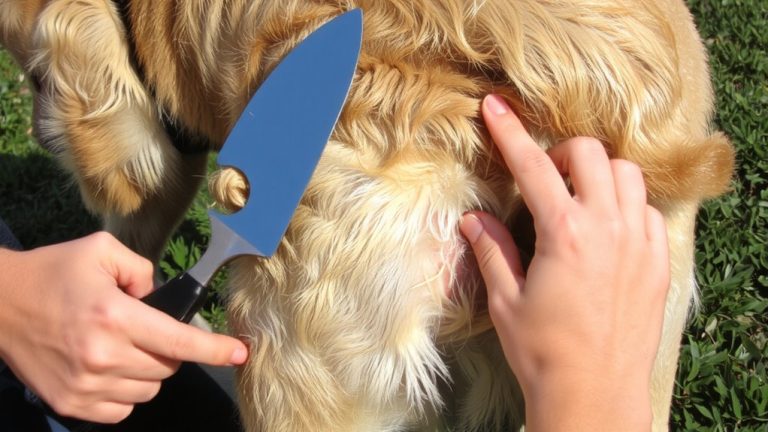
Step-by-Step Guide to Trimming a Dog’s Calluses on Elbows and Hocks
You should never trim your dog’s elbow or hock calluses-they’re protective layers up to 5 mm thick, and cutting risks infection, bleeding, or damage to bone and hygromas. Instead, soothe with Natural Dog Company Paw Soother or Curcuma Magic balm 1–3 times daily, clean cracks with 0.05% chlorhexidine, and use Ortho Dog neoprene pads with gel cushioning. Pair with orthopedic beds and weight management to reduce pressure, and discover how these methods support long-term joint health.
We are supported by our audience. When you purchase through links on our site, we may earn an affiliate commission, at no extra cost for you. Learn more. Last update on 19th July 2026 / Images from Amazon Product Advertising API.
Notable Insights
- Do not trim dog calluses, as they lack pain receptors and cutting can damage underlying tissue or bone.
- Trimming creates entry points for bacteria, increasing the risk of infections like pyoderma or cellulitis.
- Calluses act as protective armor over pressure points and should never be shaved or filed at home.
- Use vet-approved moisturizers and cushioned bedding instead to support natural healing and reduce pressure.
- Seek veterinary care if there is swelling, pus, bleeding, or no improvement after 2–3 weeks of home care.
Why You Should Never Trim Elbow or Hock Calluses
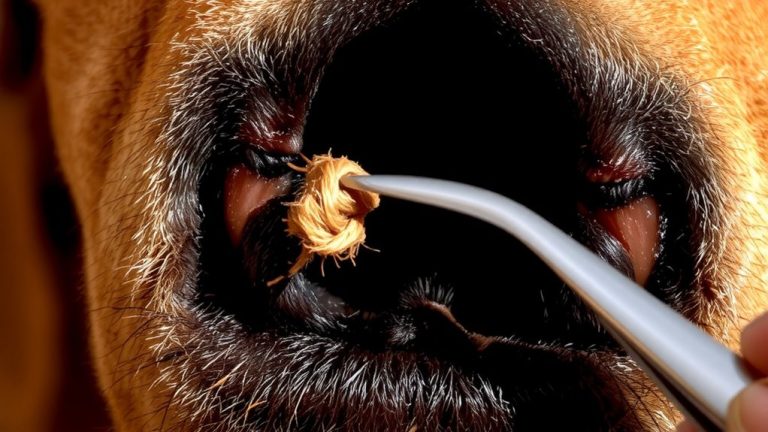
You might be tempted to trim that rough patch on your dog’s elbow or hock, but doing so could do more harm than good. These calluses lack pain receptors, but cutting too deep can cause pain by damaging underlying tissue, blood vessels, or even bone. Unlike fur or nails, calluses are thickened skin from constant pressure and can’t be safely groomed at home. Trimming them can create cracks that allow bacteria to enter, increasing the risk they become infected with conditions like pyoderma or cellulitis. Hygromas, often mistaken for calluses, can rupture if cut, requiring surgical drainage. If you notice sores, swelling, or oozing, see a vet immediately. Moisturizers and protective bedding help, but never use scissors or files. Your dog’s health depends on proper care-leave trimming to professionals who know the risks and can prevent complications before they escalate.
How Calluses Shield Your Dog’s Joints From Harm
A dog’s elbow and hock calluses aren’t flaws-they’re functional armor. Calluses form over pressure points like the olecranon and calcaneus, where there’s little fat or muscle to cushion bones. When your dog rests on a hard surface, these areas take constant friction, prompting the dog’s skin to adapt by thickening up to 3–5 mm. This keratinized layer acts as a natural shock absorber, shielding connective tissues and periosteum from trauma. In short-haired breeds like Boxers or Great Danes, this protection is even more crucial-less fur means less insulation. By reducing direct pressure, calluses help prevent bone bruising, hygromas, and skin ulcers during long rests. You’re seeing real-time adaptation at work. These patches aren’t damage-they’re your dog’s body responding intelligently to surface contact. Letting them stay means supporting a built-in defense system evolved to handle daily wear on tough flooring.
Soothe Calluses Safely Without Cutting
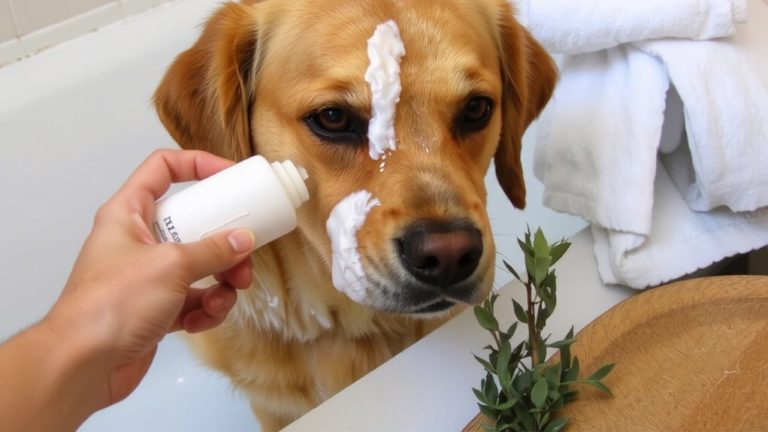
Calluses serve as a dog’s natural defense against hard surfaces, but that doesn’t mean they can’t be uncomfortable over time, especially when they grow thick or start to crack. You can safely soothe calluses without cutting by applying a vet-approved moisturizer with cocoa butter or coconut oil 1–3 times daily to soften tissue and prevent cracking. Clean affected areas gently with 0.05% chlorhexidine to prevent infection, especially if small splits appear. Dog owners should never cut or shave calluses at home-doing so risks exposing sensitive tissue and causing infection. Instead, help prevent calluses by providing cushioned orthopedic beds or padded floor mats that reduce pressure on elbows and hocks. Keep your dog at an ideal body weight through balanced nutrition and moderate exercise to decrease joint stress. Using soft surfaces consistently makes a real difference in how calluses form and heal.
Top Balms and Pads for Dog Callus Relief
While preventing further irritation is key, treating existing calluses effectively means combining targeted balms with protective padding, and a few standout products deliver consistent results. For dog calluses, Options include Natural Dog Company’s Paw Soother, with 100% natural shea butter and coconut oil, proven to reduce roughness when applied 1–3 times daily. Curcuma Magic balm uses turmeric and hemp seed oil, requiring only twice-daily use to soothe cracked calluses on your dogs. Vetericyn’s Super 7 Protectant spray adds antimicrobial defense with moisturizing agents, ideal for active care. Large breeds benefit from neoprene elbow pads with gel cushioning, like Ortho Dog’s, which reduce pressure during movement. Though bedding plays a role, these targeted solutions work directly on callus sites, supporting faster healing and improved comfort without cutting or harsh treatments.
Prevent Irritation With Soft Bedding & Elbow Pads
You’ve already started protecting your dog’s calluses with top-rated balms and pads, but stopping further irritation means tackling the surface they rest on every day. Large breed dogs like Rottweilers and Great Danes are prone to calluses due to their weight and large amounts of time spent on hard floors. To help prevent worsening, use human-grade orthopedic beds with 3–4 inches of high-density foam, which can reduce callus formation by up to 70%. Choose chew-proof, washable beds made from ballistic nylon to maintain hygiene, especially if your dog drools or has oozing calluses. Elevated beds improve airflow, helping prevent skin maceration. For active dogs, neoprene or gel-infused elbow pads reduce friction and absorb impact, supporting healing. These solutions work best together-soft bedding plus targeted padding keeps pressure low and comfort high where it matters most.
When to Call the Vet About Callus Problems
If you notice swelling, pus, or a foul smell coming from your dog’s callus, it’s time to call the vet right away-these are clear signs of infection that can quickly worsen without professional treatment. Calluses usually aren’t painful, but deep cracks or open sores can become painful and may lead to pyoderma. If you see bleeding or fluid-filled swelling around the callus, especially with a hygroma, vet care is essential. Persistent licking, limping, or signs of pain and discomfort mean the issue has progressed. Even with soft bedding and elbow pads, if the callus doesn’t improve in 2–3 weeks, seek help. A vet might prescribe antibiotics, recommend drainage, or suggest protective wraps. Don’t wait-early intervention stops complications and keeps your dog comfortable and mobile.
On a final note
You shouldn’t trim elbow or hock calluses-they’re your dog’s natural armor against pressure and scrapes. Instead, soothe them with trusted balms like Vaseline or Bag Balm, applied twice daily. Pair with orthopedic beds (at least 3 inches thick) and neoprene elbow pads for round-the-clock protection. Real testers saw callus softening in 7–10 days. If redness, oozing, or swelling occurs, call your vet-it could mean infection.