The Complete Guide to Grooming a Senior Dog With Joint Pain at Home
Use a soft-bristled brush or silicone-tipped slicker brush to protect your senior dog’s fragile skin, and detangle knots gently with a wide-toothed comb and leave-in conditioner. Bathe with lukewarm water (90–95°F) using a handheld showerhead, non-slip mat, and no-rub drying. Support joints with a harness and orthopedic padding, check for lumps, sores, and overgrown nails every few weeks, and watch for signs of discomfort-they’ll show you what comes next.
We are supported by our audience. When you purchase through links on our site, we may earn an affiliate commission, at no extra cost for you. Learn more. Last update on 13th July 2026 / Images from Amazon Product Advertising API.
Notable Insights
- Use soft-bristled or silicone-tipped brushes to protect fragile senior dog skin during grooming.
- Place non-slip mats in the tub and on floors to reduce slipping and joint strain.
- Bathe with lukewarm water and a low-pressure showerhead to ease discomfort and prevent joint stress.
- Detangle mats gently with a wide-toothed comb and detangling spray, never using scissors.
- Check weekly for lumps, sores, and nail issues, especially in pressure points and between paw pads.
Use Gentle Tools for Sensitive Senior Dog Skin
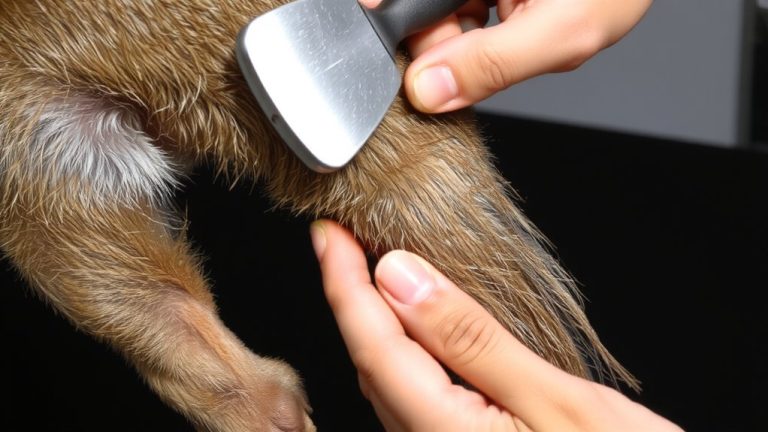
A soft-bristled brush or silicone-tipped slicker brush is your best bet for grooming a senior dog with sensitive skin, since their coat and dermis tend to thin with age, making them prone to scratches, bruising, and discomfort. When grooming, always use a Gentle Touch-start slowly and monitor your dog’s skin for redness or irritation. Opt for wide-toothed detangling combs to ease through knots without pulling. For short-haired seniors, a rubber or silicone curry brush helps exfoliate gently without harming fragile skin. Avoid using metal brushes or stiff bristles, which can scratch or aggravate sensitive skin. These tools are harsh on aging dog’s skin and increase the risk of injury. Choosing the right tools guarantees a safer, more comfortable experience. Grooming isn’t just about appearance-it supports skin health and strengthens your bond. Your senior deserves care that’s both effective and kind.
Bath Arthritic Dogs Safely at Home
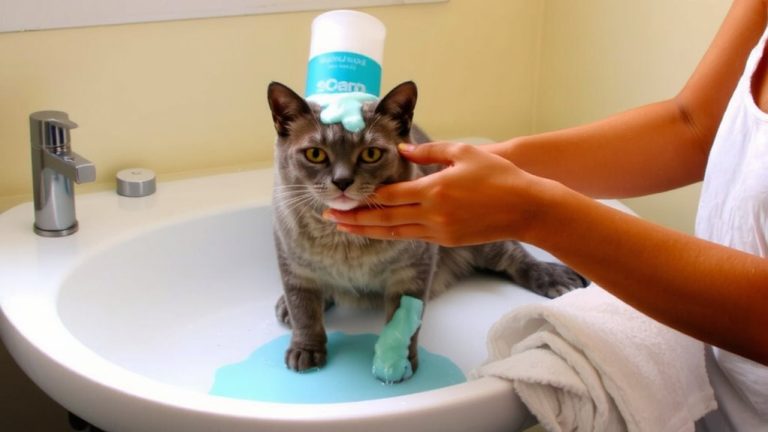
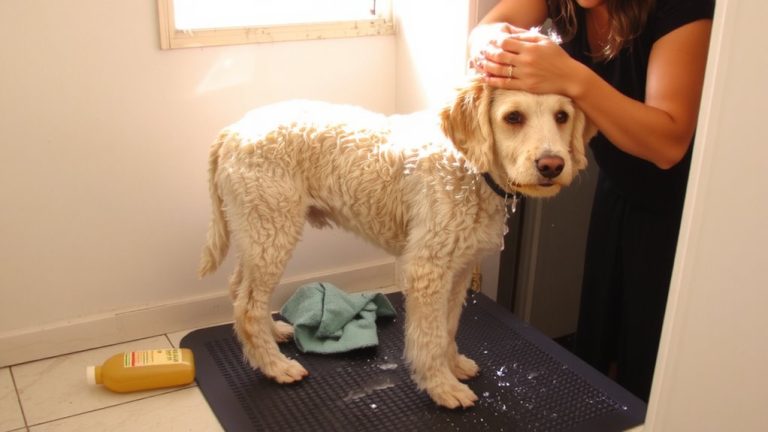
Now that you’ve got the right tools to care for your senior dog’s delicate skin, it’s time to tackle bath time with the same mindful approach-especially if arthritis affects your pup’s mobility. Use a non-slip mat in the tub and support your dog’s hindquarters to help prevent slips and reduce joint strain. Keep water lukewarm (90–95°F) to avoid irritating sensitive skin or worsening joint pain. Prepare all supplies first so grooming sessions stay short and stress-free. Use a low-pressure handheld showerhead to wet the coat gently-no lifting limbs or awkward positions needed. For dogs with arthritis, every minute counts. Dry with a soft, absorbent towel using gentle patting motions; skip forceful rubbing or blow-drying that can overwhelm your senior pet. These small adjustments make bathing safer, more comfortable, and truly supportive for sensitive dogs.
Remove Mats Safely From Sensitive Senior Skin
While your senior dog’s coat may tangle more easily due to reduced mobility and drier skin, you can safely manage mats with the right technique and tools. Use a wide-toothed detangling comb to gently loosen mats, starting from the edges and working inward to avoid pulling on thinner and more sensitive skin. Apply a leave-in conditioner or detangling spray to soften tangles and reduce friction-this helps prevent skin irritations that can cause discomfort. Never use scissors on older pets; their skin is fragile, especially on the flanks and belly, and accidental cuts may need veterinary sutures. Remove small mats early, but don’t force large ones-widespread matting can bruise delicate skin and stress arthritic joints. For severe cases, or if your dog shows pain, stop and consult a professional groomer. Senior dogs: special care keeps loose hair managed without harming their fragile skin.
Support Joints and Prevent Slipping
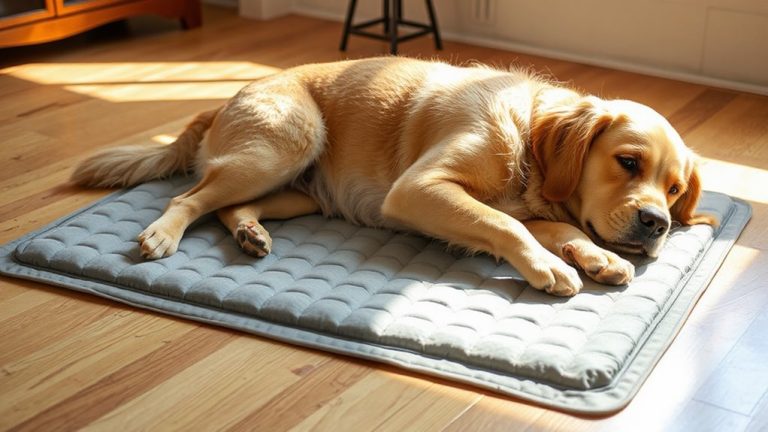
Because joint pain can make even small movements uncomfortable, setting up a grooming space that supports stability and reduces strain is essential for your senior dog’s comfort. Use non-slip mats or rubber flooring in grooming areas to prevent slipping, which can worsen joint stress. These surfaces provide traction and help protect arthritic joints during movement. Groom on the floor or a lowered surface to minimize stepping, reducing strain. Support joints by using a sling or harness to help your dog stand safely. Place orthopedic padding under them when sitting or lying down to cushion joints and improve stability. Short, frequent grooming sessions prevent fatigue and further joint stress. By modifying your space with non-slip mats, rubber flooring, and supportive aids, you create a safer, more comfortable routine that protects your dog’s mobility and makes grooming easier for both of you.
Check for Lumps, Sores, and Nail Problems
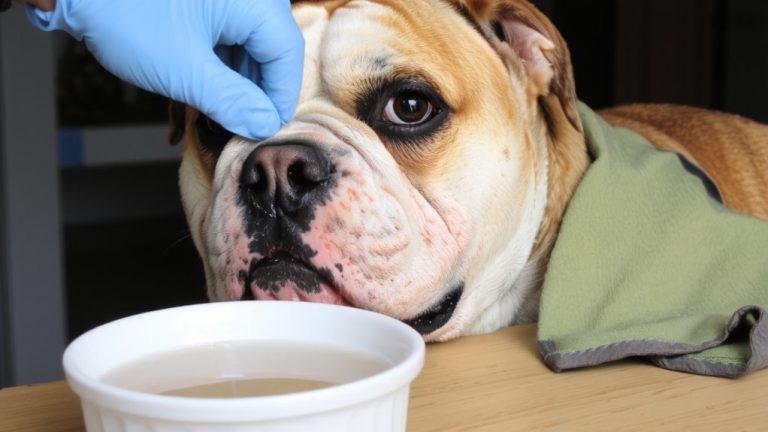
A thorough hands-on check during grooming gives you the chance to catch health issues early, especially in senior dogs who may hide discomfort. As you pet your dog, run your hands over their skin and coat, checking for new lumps or sores, particularly in the armpits, groin, and under the tail. Pay close attention to pressure points like elbows and hips for signs of sores from lying too long. Regularly check footpads and nail beds weekly for cracks or debris, since joint pain limits foot lifting. Clip overgrown nails every 3–4 weeks to prevent curling into the pad, but avoid the quick-it can be more visible in aging dogs. Make grooming a full-body routine: Check, clean their ears, and inspect everything from nose to tail, so small issues don’t become serious.
Find Warning Signs Early While Grooming Your Senior Dog
If you’re brushing your senior dog and notice them flinching when you touch certain areas, it could be more than just grumpiness-it might be a sign of arthritis or sore joints, something that affects 8 out of 10 dogs over age 8. Grooming gives you the opportunity to check for lumps, tender spots, or changes in coat texture that could signal hypothyroidism. Pay attention to matts behind the ears or under limbs-they can pull on pets skin, causing pain and even ear infections. Watch for overgrown nails that alter gait and increase joint stress. Noting these signs early helps prevent worsening issues. Regular grooming supports your canine companions at home during their golden years, letting you monitor overall health and well-being with hands-on care that strengthens trust and comfort.
On a final note
You’ve got this-use a non-slip mat, lukewarm water, and a soft slicker brush like the Hertzko Self-Cleaning Brush to gently groom your senior dog. Support shaky joints with a bath ramp and dry with a microfiber towel. Check skin folds, paws, and nails weekly. Spot lumps or redness early. Keep sessions short, calm, and reward with small Wellness Soft Puppy Bites. Consistent, gentle care boosts comfort, trust, and health.