Feline Nasopharyngeal Lymphoma: Signs, Diagnosis & Survival Rates
You’ll notice your cat sneezing persistently, with thick yellow or brown nasal discharge that won’t clear up, even after antibiotics. Watch for soft wheezing, eye drainage, or mild nosebleeds-signs that mimic infections but last weeks. CT scans reveal bone damage, while rhinoscopy-guided biopsies confirm lymphoma. Radiation offers the best chance, with many cats surviving 1.5–3 years, especially when combined with CHOP chemotherapy. Multimodal treatment led one cat to over six years of remission-your next steps could lead to similarly strong outcomes.
We are supported by our audience. When you purchase through links on our site, we may earn an affiliate commission, at no extra cost for you. Learn more. Last update on 19th July 2026 / Images from Amazon Product Advertising API.
Notable Insights
- Feline nasopharyngeal lymphoma presents with persistent sneezing, mucopurulent discharge, and nasal airflow obstruction unresponsive to antibiotics.
- CT imaging reveals mucosal thickening or bony destruction, while rhinoscopy enables targeted biopsy for definitive diagnosis.
- Radiation therapy is effective for localized disease, with median survival of 1.5–3 years when complete response is achieved.
- Multimodal treatment with radiation followed by CHOP chemotherapy targets micrometastases and improves long-term remission outcomes.
- Ongoing monitoring includes physical exams, imaging, and lab tests to detect relapse or metastasis, especially in kidneys.
What Early Signs of Feline Nasal Lymphoma Should You Watch For?
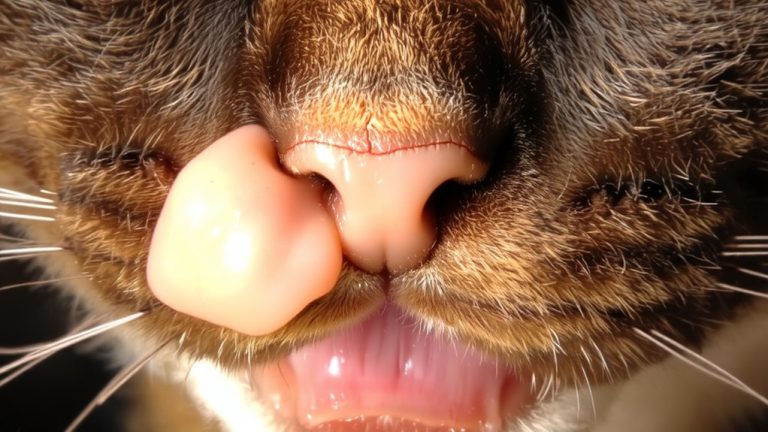
What should you do if your cat keeps sneezing and just can’t seem to shake that runny nose? Persistent sneezing and nasal discharge, especially if mucous or mucopurulent, could signal early feline nasal lymphoma. These clinical signs often mimic upper respiratory infections or chronic rhinitis, but they last weeks to months. Watch for yellow or brown nasal discharge, decreased nasal airflow, and soft-tissue noises like wheezing. Early feline nasal lymphoma may also cause epiphora or mild epistaxis. Since symptoms progress slowly, and no visible mass may show on initial scans, don’t dismiss prolonged signs. Unlike typical infections, antibiotics and supportive care offer little improvement. If your cat shows these patterns, seek further evaluation. Recognizing subtle but persistent changes-especially when standard treatments fail-is key to catching nasal lymphoma early and planning timely care.
How CT and Rhinoscopy Help Diagnose Nasal Lymphoma
When your cat’s sneezing and nasal discharge don’t clear up with standard treatments, it’s time to move beyond guesswork and get a clearer picture inside those nasal passages. For cats suspected of nasal lymphoma, CT imaging reveals structural changes like mucosal swelling or discharge, even without a visible mass. It’s especially useful for spotting bony damage, such as cribriform plate destruction, a red flag for aggressive disease. But CT alone isn’t enough-diagnosis requires more. Rhinoscopy lets vets visually inspect the nasal cavity, often showing no gross lesions despite underlying B-cell lymphoma. That’s why a rhinoscopy-guided biopsy is essential: it collects precise tissue samples for testing. Even with normal-looking passages, this combo can confirm lymphoma. In one case, CT and rhinoscopy ruled out masses and invasion, leading to a correct diagnosis and effective treatment.
Why Radiation and Chemotherapy Are Standard Treatment
Though some cases of feline nasal lymphoma may seem mild at first, aggressive treatment with radiation and chemotherapy offers the best chance for long-term survival. Radiation therapy is the standard treatment for localized disease, often leading to complete response and a median survival time of 1.5–3 years. Your cat’s response to treatment matters-those achieving complete response live markedly longer, with a median survival of 749 days versus just 54 in partial responders. Chemotherapy, especially the CHOP protocol, complements radiation and has shown a median survival of about 2 years in clinical remission. Compared to palliative options like prednisolone alone-offering only 2–4 months of remission-multimodal therapy vastly improves outcomes. When weighing treatment options, remember: radiation and chemotherapy together are proven, effective strategies for managing feline nasal lymphoma and maximizing survival.
How Multimodal Therapy Led to Long-Term Remission
Your cat’s battle with high-grade nasal lymphoma doesn’t have to end in defeat, especially when you combine the precision of radiation therapy with the systemic reach of chemotherapy. This multimodal therapy approach targets both localized tumors and potential micrometastases, offering a path to long-term remission in feline lymphoma cases. One cat achieved complete clinical remission after curative-intent radiation therapy over three weeks, followed by the CHOP protocol from September 26, 2014, to January 23, 2015, with no major side effects.
| Treatment Phase | Outcome |
|---|---|
| Radiation therapy | Local control, no cribriform plate invasion |
| CHOP protocol | No GI toxicity, sustained remission |
| Multimodal therapy | Over 6 years in long-term remission |
Symptoms like nasal discharge and wheezing resolved, confirming durable response. This successful treatment underscores that combining radiation therapy with chemotherapy can transform nasal lymphoma outcomes.
Monitoring Your Cat After Nasal Lymphoma Treatment
How do you know if your cat’s nasal lymphoma is truly under control? Ongoing monitoring is key. After treatment, schedule regular checkups to catch any relapse early. Watch for nasal signs like persistent sneezing, discharge, or facial swelling-these warrant immediate re-evaluation. For feline nasal lymphoma, advanced imaging, thoracic radiographs, and abdominal ultrasounds help detect systemic spread, as 10%–17% of cases metastasize, often to the kidneys. Use a Complete blood count and blood chemistry to monitor for myelosuppression or organ toxicity from a chemotherapy drug, even if your cat seems fine. In one case report, a cat stayed in remission for 6 years with only minor side effects. Regular testing, even post-remission, supports long-term survival, with median times of 1.5–3 years when response is complete. Stay vigilant-your cat’s health depends on it.
On a final note
You’ve got this-spotting early signs like nasal discharge or sneezing means acting fast, and CT scans with rhinoscopy confirm it. Radiation and chemo, often with meds like chlorambucil, give strong results. Combined, they’ve led to 2+ years remission in real cases. Keep checkups every 3–6 months, monitor breathing, and feed high-calorie, soft foods if needed. Stick to vet schedules-the right plan keeps your cat feeling great, day in, day out.