How to Identify and Treat Feline Calicivirus-Induced Lameness
If your kitten’s suddenly limping, running a fever (104–105°F), and avoids moving, it could be limping calici-feline calicivirus targeting joints, not airways. Skip over-the-counter meds; use vet-prescribed buprenorphine or meloxicam for pain. Keep them warm, offer warmed canned food, and provide fluids. Isolate immediately and disinfect with 1:32 bleach solution. Vaccinate with FVRCP at 6–8 weeks, boosting every 3 weeks until 16 weeks-this protection plan cuts risk fast.
We are supported by our audience. When you purchase through links on our site, we may earn an affiliate commission, at no extra cost for you. Learn more. Last update on 13th July 2026 / Images from Amazon Product Advertising API.
Notable Insights
- Sudden lameness and joint pain in kittens 8–12 weeks old may indicate limping calici, a strain-specific feline calicivirus.
- Unlike typical calicivirus, limping calici lacks respiratory signs but causes fever, trembling, and transient multi-limb lameness.
- Isolate affected kittens immediately, as the virus is highly contagious during active infection.
- Provide supportive care including rest, warmth, hydration, and vet-prescribed pain relief like buprenorphine or meloxicam.
- Seek veterinary care for fever ≥105°F, dehydration, or persistent symptoms to rule out complications and ensure proper treatment.
What Is Limping Calici?
While most calicivirus infections in cats bring sneezing and mouth sores, limping calici is different-it’s a strain-specific form of feline calicivirus that hits kittens hardest, especially those between 8 and 12 weeks old. Unlike typical calicivirus cases, limping calici skips respiratory signs, instead causing sudden joint pain, high fever, and limping from viral inflammation in the joints. You’ll notice trembling and reluctance to walk, but symptoms usually resolve in 2 to 7 days with supportive care. It’s highly contagious during active illness, so isolate affected cats immediately. Though rare, limping calici can follow FVRCP vaccination as a temporary reaction-most kittens recover within 48 to 72 hours without treatment. Still, routine FVRCP vaccination remains essential for long-term protection. Watching for early signs helps prevent spread, keeping your whole cat household safer, healthier, and more comfortable during this brief, intense illness.
Signs of Limping Calici in Kittens
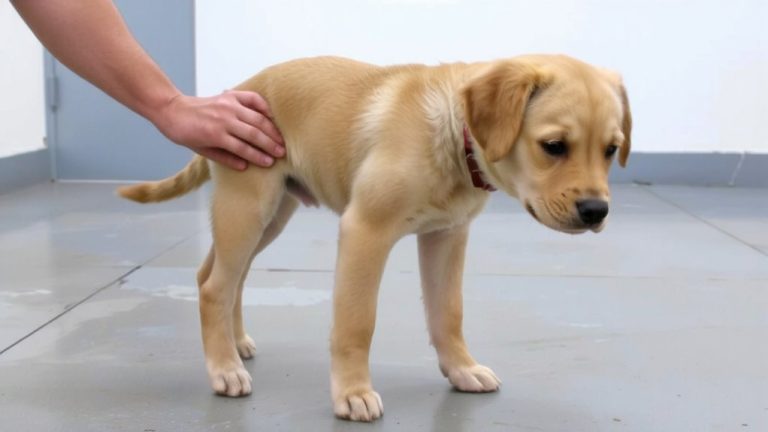
Why might your kitten suddenly limp without a sniffle in sight? If your kitten under 12 weeks shows sudden lameness, it could be limping calici, a strain of feline calicivirus that targets young kittens with developing immune systems. Unlike typical calici, this form lacks respiratory signs, but causes transient lameness due to joint inflammation. You’ll notice your infected cat avoiding movement, trembling, or running a high fever (104–105°F). The lameness, often in multiple limbs, stems from viral localization in synovial spaces, triggering pain and reduced mobility. Though distressing, symptoms last just 2 to 7 days and resolve fully with rest and supportive care. Watch closely-your kitten stays contagious during this time. Limping calici is brief but unmistakable: sudden onset, no coughing or ulcers, and clear signs of discomfort tied to joint inflammation.
When Limping Calici Requires a Vet Visit
If your kitten suddenly starts limping, runs a fever above 105°F, or trembles despite acting alert, don’t wait-these are key signs of limping calici and mean it’s time to call your vet right away. A prompt vet visit is essential, especially if your cat shows signs of dehydration or can’t eat, drink, or use the litter box. Even if symptoms started within 48-72 hours of vaccination, a vet must confirm it’s not a severe infection.
| Symptom | Action Needed |
|---|---|
| Fever over 105°F, trembling | Immediate vet visit |
| Limping calici with pain | Anti-inflammatory medication |
| Refusing food, dehydration | Subcutaneous or IV fluids |
Your vet will rule out other illnesses and prescribe appropriate treatment, including pain relief and hydration support, ensuring faster recovery.
Treating Pain and Fever at Home
Since your kitten’s comfort is a top priority during a bout of limping calici, start by giving the pain reliever your vet prescribed-like buprenorphine or meloxicam-exactly as directed, because precise dosing guarantees effective relief without risk. This calicivirus infection causes severe joint pain and fever, so monitor your cat’s temperature; if it hits 105°F or more, the virus is worsening and needs urgent vet care. Keep your cat warm with soft bedding and apply warm compresses gently to sore limbs to ease inflammation. Encourage eating by offering warmed, tasty canned food nearby-pain can suppress appetite, worsening the infection in cats. Hydration is critical; if your cat is dehydrated, offer fluids frequently. Supporting your cat at home during a Feline Calicivirus infection reduces suffering and speeds recovery when combined with proper medication.
Preventing Limping Calici: Vaccines and Hygiene
While preventing limping calici starts with smart decisions early on, you can drastically cut your kitten’s risk with a solid plan centered on vaccination and careful hygiene. Make sure your kitten gets the FVRCP vaccine starting at 6–8 weeks, with boosters every 2–3 weeks until 16 weeks. This protects against feline calicivirus and Feline Herpesvirus, both major causes of respiratory disease and painful infections. Though rare, limping calici can appear post-vaccine, but the benefits far outweigh the risks. Calicivirus lives on contaminated objects like food bowls and bedding for up to a week, so disinfect daily with a 1:32 bleach solution. Wash hands and change clothes after handling sick cats-especially around adult cats or shelters. Quarantine infected kittens for at least 3 weeks to stop spread. Good hygiene stops fomite-mediated transmission fast.
On a final note
You’ve got this-limping calici is tough, but with prompt vet care, supportive treatment, and FeLV/FVRCP vaccines, most kittens recover in 2–4 days, according to tested protocols, using lysine supplements, moist food at room temp, and quiet rest zones, while fever reducers like meloxicam (under vet guidance) ease discomfort, and strict litterbox hygiene cuts transmission, keeping your cat resilient, mobile, and back to pouncing, grooming, and napping like normal.