Understanding Feline Calicivirus Virulent Systemic Form (VS-FCV)
You’re facing a serious threat if your cat develops virulent systemic feline calicivirus (VS-FCV), a rare but deadly mutation of feline calicivirus that spreads beyond the respiratory tract. It causes severe oral ulcers, limb swelling, oozing skin lesions, and multi-organ failure, with a 60% fatality rate even in vaccinated cats. Standard oropharyngeal swabs often miss it-diagnosis relies on RT-PCR, tissue culture, or immunohistochemistry from affected organs. Outbreaks demand immediate quarantine, strict use of gloves and smocks, and disinfection with dilute bleach (½ cup per gallon) or accelerated hydrogen peroxide, as FCV survives up to 28 days on surfaces. Confirmation often requires necropsy, and understanding the full picture helps you protect every cat in your care.
We are supported by our audience. When you purchase through links on our site, we may earn an affiliate commission, at no extra cost for you. Learn more. Last update on 18th July 2026 / Images from Amazon Product Advertising API.
Notable Insights
- VS-FCV is a rare, lethal form of feline calicivirus that spreads systemically, causing severe ulcers, edema, and multi-organ failure.
- It arises from mutated standard FCV strains, often in high-stress environments like shelters, despite vaccination.
- Diagnosis requires RT-PCR or culture from serum/tissues, as oropharyngeal swabs miss most infections after day 7.
- No genetic marker distinguishes virulent from mild FCV-diagnosis relies on clinical signs and immunohistochemical antigen detection.
- Outbreak control demands strict quarantine, biosecurity, and disinfection with bleach or accelerated hydrogen peroxide.
What Is VSFCV in Cats?
While most feline calicivirus (FCV) cases cause mild respiratory symptoms, you should know that virulent systemic feline calicivirus (VS-FCV) is a rare but dangerous form that can strike even healthy, vaccinated adult cats. VSFCV arises from a genetic mutation in typical FCV strains, often in high-stress areas like shelters, evolving from standard feline upper respiratory infections into a severe systemic disease. Unlike routine calicivirus infection, Virulent Systemic Feline Calicivirus spreads beyond the mouth and nose, leading to severe oral ulcers, limb edema, skin lesions, and potentially fatal multi-organ failure. It’s not defined by a unique genetic marker, so diagnosis relies on clinical signs and detecting FCV in serum or tissues. Though rare, its 60% fatality rate in outbreaks makes vigilance essential. You’ll need more than routine vaccines-early detection and aggressive care are key to managing this aggressive systemic disease.
How to Recognize VSFCV Symptoms
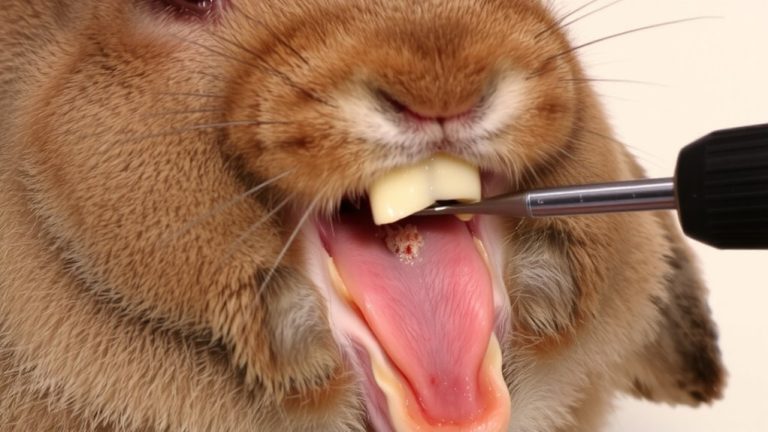
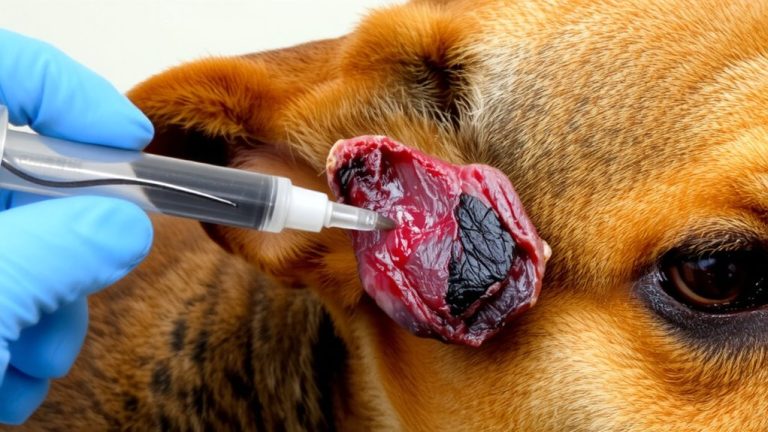
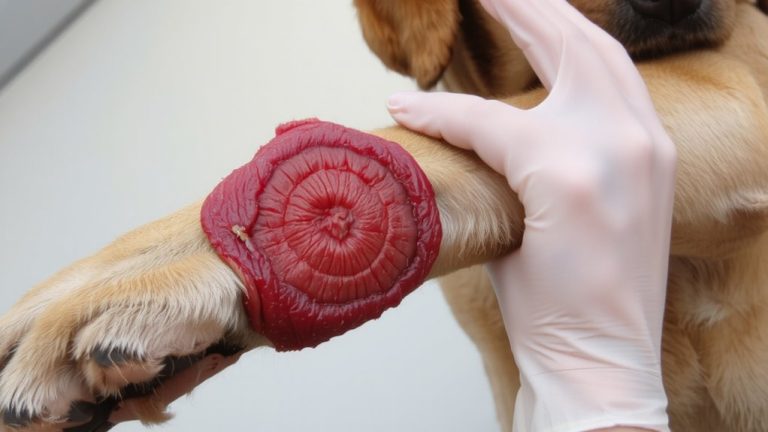
How do you know when a common cold in cats might actually be something far more serious? Watch for VSFCV-this aggressive strain starts with oral ulceration, fever, and sneezing, then rapidly progresses. You’ll notice limb edema and skin ulceration from systemic vasculitis, often 1–2 weeks in. Crusting and hair loss follow, especially on the face, ears, and limbs. These skin signs ooze serum and worsen quickly. Don’t ignore multi-organ involvement: jaundice, pneumonia, or GI distress mean the disease is spreading. What’s alarming? VSFCV hits healthy adults harder than kittens, and yes, even well-vaccinated cats aren’t fully protected. Outbreaks show high mortality-up to 60%-despite vaccination status. If multiple cats are sick with severe symptoms, suspect VSFCV immediately. Early recognition improves care outcomes, though treatment remains supportive. Track symptoms closely, isolate affected cats, and consult your vet fast.
What Do VSFCV Test Results Mean?
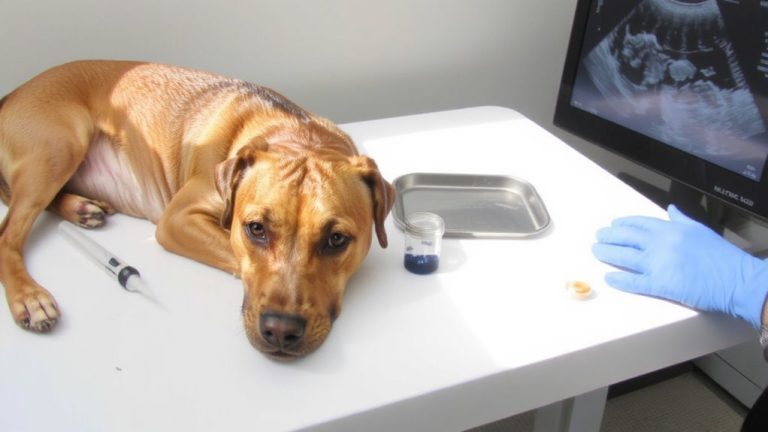
Why do some cats test positive for FCV but never show illness, while others face life-threatening symptoms? An oropharyngeal swab might detect FCV, but up to 25% of healthy cats in shelters or multi-cat homes carry it without clinical signs. A positive result doesn’t confirm VS-FCV. If you suspect systemic disease, testing serum or tissues via RT-PCR or culture gives stronger evidence of active infection. Still, the gold standard is immunohistochemical identification of FCV antigen in tissues like liver, lung, or skin ulcers with vasculitis. Genetic testing can’t distinguish virulent from mild strains, so results must align with clinical signs and outbreak context. Negative oropharyngeal swabs after day 7 of illness miss about 70% of infections. Always combine lab data with observation-fever, swelling, ulcers-to accurately interpret VS-FCV status.
How to Control a VSFCV Outbreak
If you’re dealing with a confirmed or suspected VS-FCV outbreak, acting fast is non-negotiable-immediate quarantine of exposed cats and full separation from new admissions can make the difference in curbing transmission, since this strain spreads easily through direct contact, fomites, and even on hands and clothing. Your outbreak management plan must include strict biosecurity: wear gloves, long-sleeve smocks, and wash hands thoroughly between cats. Use accelerated hydrogen peroxide or diluted bleach (½ cup of 5% bleach per gallon) for disinfection-FCV survives up to 28 days on surfaces. Never skip a necropsy with immunohistochemical testing; it’s the only way to confirm virulent systemic calicivirus and rule out panleukopenia. Stop all adoptions and transfers, and alert local shelters and clinics immediately.
On a final note
You can protect your cat by staying alert for early VS-FCV signs like fever, swollen paws, or mouth ulcers. Quick vet visits, PCR test confirmation, and isolating sick cats help stop spread. Use disinfectants like bleach (1:32 dilution) on bowls and surfaces. Keep stress low, feed high-calorie soft food, and support immunity with l-lysine supplements. Vaccines won’t block all strains but reduce severity. Real-world shelters cut outbreaks 60% with strict hygiene, fast testing, and ventilation upgrades.