Feline Asthma: Diagnosis, Triggers, and Inhaler Use for Cats
If your cat’s coughing or breathing hard, it might be feline asthma, often triggered by dust mites, pollen, smoke, or scented litter. Vets diagnose it with chest X-rays, CT scans, and bronchoalveolar lavage showing eosinophilic inflammation. Daily inhaled fluticasone (44–220 μg via AeroKat) controls symptoms, while albuterol offers fast relief during flare-ups. Avoiding irritants and using an aerosol chamber guarantees effective treatment. You’ll discover how to manage it long-term with simple, proven steps.
We are supported by our audience. When you purchase through links on our site, we may earn an affiliate commission, at no extra cost for you. Learn more. Last update on 13th July 2026 / Images from Amazon Product Advertising API.
Notable Insights
- Feline asthma is diagnosed through clinical signs, chest X-rays, and bronchoalveolar lavage showing eosinophilic inflammation.
- Common triggers include dust mites, pollen, smoke, and scented products like air fresheners and cat litter.
- Inhaled corticosteroids such as fluticasone reduce airway inflammation and are delivered using an AeroKat chamber.
- Inhaled bronchodilators like albuterol provide fast relief during asthma attacks and should be kept on hand.
- Daily inhaler use and eliminating environmental irritants are critical for long-term control and preventing airway damage.
Common Symptoms of Asthma in Cats
A cat struggling with asthma often starts showing signs through persistent coughing, which many owners mistake for trying to clear a hairball, but it’s usually dry, hacking, and happens repeatedly-especially in cats around 4 to 5 years old. You’ll notice your asthmatic cat wheezing, a high-pitched sound heard best with a vet’s stethoscope. During flare-ups, rapid breathing and labored breathing become obvious, often with increased respiratory effort-you might see the belly pushing hard with each breath. A hunched posture, neck extended forward, signals difficulty breathing and respiratory distress. Open-mouth breathing or panting is never normal and demands urgent care. These symptoms, seen together, strongly suggest feline asthma. Early recognition helps you act fast, improving outcomes. Watch closely, track frequency, and always consult your vet when you see consistent coughing or signs of airway constriction-it’s key to managing your cat’s long-term health.
What Causes and Triggers Feline Asthma?
Now that you know what to watch for, it’s time to look at what’s behind those coughing spells and breathing troubles in your cat. Feline asthma is a chronic lower airway disease driven by an overactive immune system reacting to inhaled environmental allergens. When your cat breathes in irritants like dust mites, pollen, mold, or cigarette smoke, it can trigger an allergic response that inflames the airway. Common culprits also include scented cleaning products, air fresheners, and dusty or scented cat litter. These substances provoke airway constriction, mucus buildup, and bronchoconstriction. While not all cats react the same, allergic sensitization plays a central role in most cases. Since allergy testing is limited, identifying your cat’s specific triggers relies heavily on tracking its environment and symptoms over time.
How Veterinarians Diagnose Cat Asthma
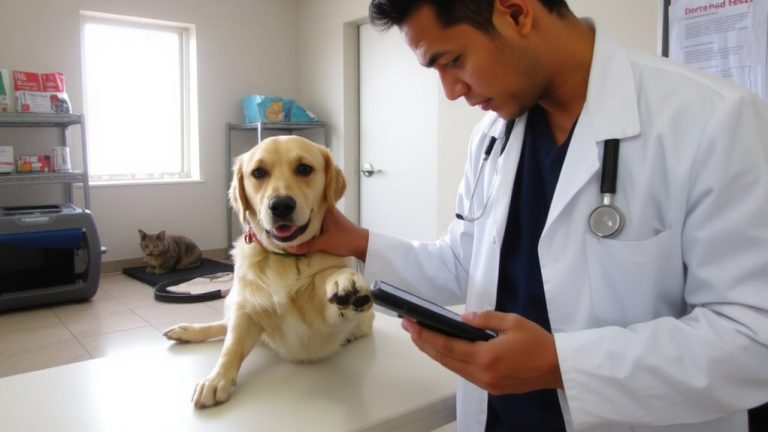
How do vets actually pinpoint feline asthma when your cat’s coughing or struggling to breathe? To diagnose feline asthma, your vet will assess clinical signs and use tests to confirm inflammation in the airways while you rule out infectious or cardiac causes. Chest radiographs often show thickened airway walls or overinflated lungs, helping identify this respiratory disease. For more detail, computed tomography (CT) offers 3D imaging to detect subtle airway changes. Bronchoalveolar lavage lets vets collect fluid to check for inflammatory cells-especially eosinophils, a hallmark of eosinophilic inflammation. This test analyzes immune cells directly from the lungs.
| Test | Purpose | What It Reveals |
|---|---|---|
| Chest radiographs | Initial screening | Bronchial patterns, air trapping |
| Computed tomography (CT) | Detailed imaging | Airway wall thickening, collapse |
| Bronchoalveolar lavage | Cell analysis | Eosinophilic inflammation, rules out infection |
Treating Feline Asthma With Inhaled Medications
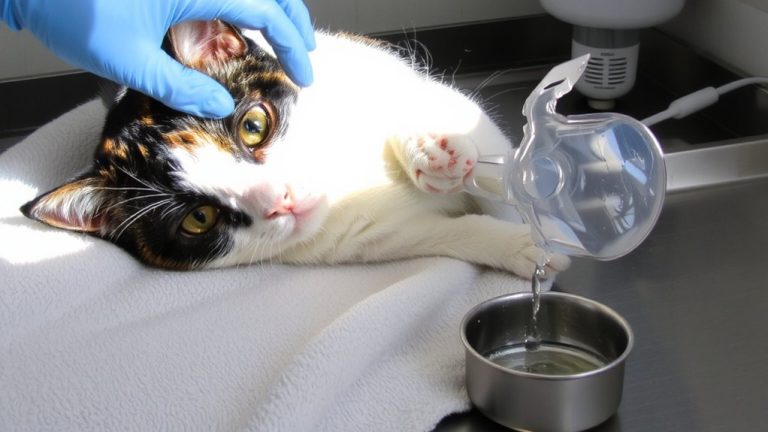
While your cat may seem fine between coughing episodes, consistent treatment with inhaled medications is key to managing feline asthma and preventing long-term lung damage. Daily use of inhaled corticosteroids like fluticasone (44–220 μg per actuation) helps reduce airway inflammation and avoids the side effects of oral steroids. These inhaled steroids must be delivered using an aerosol chamber and mask, such as the AeroKat, to properly administer medication directly to the lungs. Inhaled bronchodilators are available for emergencies, providing relief within minutes during an asthma attack. Albuterol works fast, while terbutaline can be used via nebulization or injection if needed. Proper technique with the chamber and mask guarantees your cat gets the full benefit of inhaled medication, keeping symptoms under control and improving long-term outcomes.
Daily Management and Prevention Tips for Cats With Asthma
Because managing feline asthma goes beyond treating flare-ups, sticking to a daily routine makes all the difference in protecting your cat’s lungs over time. Daily administration of inhaled corticosteroids, like fluticasone (44–220 μg per actuation), via an AeroKat chamber controls airway inflammation and guarantees long-term control. Even when your cat seems fine, skipping doses can lead to airway remodeling, so consistency is key. Keep inhaled bronchodilators, such as albuterol, on hand-it works within 5–10 minutes during emergencies. Prevent attacks by eliminating environmental irritants: avoid smoke, aerosols, and fragrances, and switch to a low-dust, unscented litter. If your cat’s overweight, work with your vet on weight management; excess fat worsens breathing. These steps, combined, reduce flare-ups and support steady, healthy breathing every single day.
On a final note
You can manage your cat’s asthma successfully with vigilance and the right tools, like a reliable inhaler such as the AeroKat, which delivers medication directly to the lungs. Watch for coughing, wheezing, or labored breathing, and keep triggers like smoke, dust, and perfumes out of your home. Work closely with your vet, stick to prescribed doses, and monitor your cat daily-most see improvement within a week when using inhaled corticosteroids consistently.