The Importance of Routine Veterinary Check-Ups for Dogs and Cats: What Happens During an Annual Wellness
Your pet needs yearly vet check-ups to catch hidden issues like kidney disease, diabetes, or dental infections early, when treatment works best. Dogs age 4–15 human years per year, so annual gaps matter. During exams, vets check temperature (101–102.5°F), heart, lungs, teeth, joints, and run fecal tests, bloodwork, or urinalysis-finding problems like heartworms or early arthritis before symptoms show. Over 80% of dogs have gum disease by age three, but routine care prevents it. You’ll see why timing and testing make all the difference.
We are supported by our audience. When you purchase through links on our site, we may earn an affiliate commission, at no extra cost for you. Learn more. Last update on 19th July 2026 / Images from Amazon Product Advertising API.
Notable Insights
- Annual wellness exams help detect diseases like diabetes and kidney issues early, improving treatment success and pet longevity.
- Pets age faster than humans, making yearly check-ups essential for catching health changes before symptoms appear.
- Veterinarians perform head-to-tail physical exams, assessing teeth, heart, lungs, skin, joints, and body condition for abnormalities.
- Routine tests like bloodwork, fecal exams, and urinalysis reveal hidden conditions such as parasites, infections, or organ dysfunction.
- Dental health is a key focus, as over 80% of dogs have periodontal disease by age three, preventable with regular care.
Why Does My Pet Need a Wellness Exam?
Why wait for your dog or cat to show signs of illness before stepping in? Regular wellness exams catch health issues early, when treatment works best. These routine check-ups provide early detection of conditions like kidney disease, diabetes, and arthritis-often before symptoms appear. Since dogs age 4 to 15 human years per calendar year, annual wellness exams are essential, especially for seniors. During a wellness exam, your pet gets a thorough physical: teeth, heart, lungs, skin, and body condition are all assessed. This helps prevent problems like periodontal disease, which affects over 80% of dogs by age three. Preventive care-vaccinations, parasite control, fecal testing-protects against parvovirus, heartworm, and zoonotic parasites. You’ll also get tailored advice on nutrition, exercise, and behavior. Regular wellness exams mean lifelong health, not just crisis care.
How Often Should My Dog or Cat See the Vet?
Your pet’s wellness exam schedule depends on their life stage, breed, and health status, building on the preventive care foundation laid in routine check-ups. Puppies and kittens need regular checkups every 3–4 weeks early on for vaccinations and parasite prevention. Once grown, healthy adult dogs and cats should get a routine wellness visit annually, even if they seem fine-many signs of disease aren’t obvious. A physical examination once a year supports consistent wellness care. But for a senior pet, typically age 7 and up, twice-yearly visits are best. Larger breeds age faster, so they benefit from frequent wellness screens. This helps your veterinarian to track changes and catch issues like kidney disease or arthritis early. Regular vet visits guarantee your pet receives timely, tailored care that adapts as they age, keeping them healthier longer.
What Happens During a Pet Wellness Check-Up?
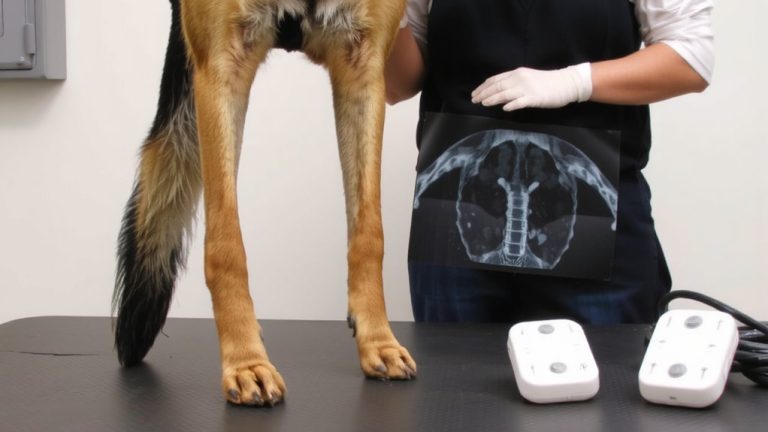
While you’re holding your dog or cat on the exam table, the veterinarian begins a head-to-tail physical, checking essential signs like temperature (usually around 101–102.5°F), heart rate, and respiration, then moves through a full assessment of eyes, ears, nose, and mouth, using a bright otoscope to scan ear canals, a dental probe to check for gingivitis or tartar buildup, and gentle palpation to evaluate lymph nodes, thyroid gland, and jaw mobility. During routine exams, vets evaluate your pet’s body weight, coat health, and joint movement to catch subtle signs of health problems. Regular visits help track dental health and support parasite prevention with tailored plans. Screening tests may be recommended to detect early signs of disease, especially in senior pets.
| Body Area | What’s Checked |
|---|---|
| Teeth & Gums | Tartar, gingivitis, oral infections |
| Skin & Coat | Dryness, lumps, parasites |
| Heart & Lungs | Rhythm, murmurs, breathing sounds |
| Abdomen & Joints | Pain, organ size, mobility |
How Routine Tests Catch Pet Health Problems Early
A routine fecal test can uncover intestinal parasites like hookworms and roundworms, which affect nearly 30% of puppies and often cause serious digestive issues if left untreated, but catching them early means a simple deworming protocol can get your pup back on track fast. Annual bloodwork helps detect early signs of kidney disease-found in 1 in 3 senior cats-so you can start medical care before issues turn severe. Heartworm testing, even in low-risk areas, protects your dog since over 1 million U.S. dogs are affected yearly. Urinalysis reveals silent problems like early-stage diabetes or infections in roughly 1 in 200 cats. Dental radiographs under anesthesia often detect tooth resorption in up to 60% of cats over five. These tests monitor your pet’s health, catch issues early, and guide timely, effective treatment.
On a final note
You keep your dog or cat healthy with annual vet visits, even when they seem fine. These check-ups catch issues early-like dental disease or weight gain-and include exams, blood tests, and parasite screenings. Vaccines stay current, and nutrition plans get adjusted. Most vets recommend yearly blood work, including T4 and kidney values. You’ll track weight, body condition, and behavior changes. It’s preventive care that adds years to their life, backed by vet data and real pet owner results.