Understanding the Causes and Treatment of Canine Hip Dysplasia
Your dog’s hip dysplasia likely stems from genetics and rapid growth, with overfeeding doubling the risk-controlled feeding cuts it nearly in half. Keep your pup at a lean weight, feed a balanced large-breed growth diet, and avoid high-impact exercise early on. Watch for limping, bunny hopping, or trouble rising. Vets use PennHIP or OFA X-rays for diagnosis. Manage pain with NSAIDs, joint supplements like glucosamine and omega-3s, and hydrotherapy. Surgery options like FHO or total hip replacement offer strong outcomes when needed. You’re already on the right path-there’s more to optimize at every stage.
We are supported by our audience. When you purchase through links on our site, we may earn an affiliate commission, at no extra cost for you. Learn more. Last update on 19th July 2026 / Images from Amazon Product Advertising API.
Notable Insights
- Genetic inheritance is the primary cause of hip dysplasia, with increased risk even if only one parent is affected.
- Rapid growth from overfeeding and excessive calories during puppyhood significantly increases the likelihood of developing hip dysplasia.
- Early diagnosis using PennHIP screening at 16 weeks can detect hip laxity and predict future arthritis risk.
- Weight control and joint supplements like glucosamine and omega-3 fatty acids help manage pain and support joint health.
- Surgical treatments include Total Hip Replacement, FHO for small dogs, and TPO for young dogs without arthritis.
Early Signs of Hip Dysplasia in Dogs
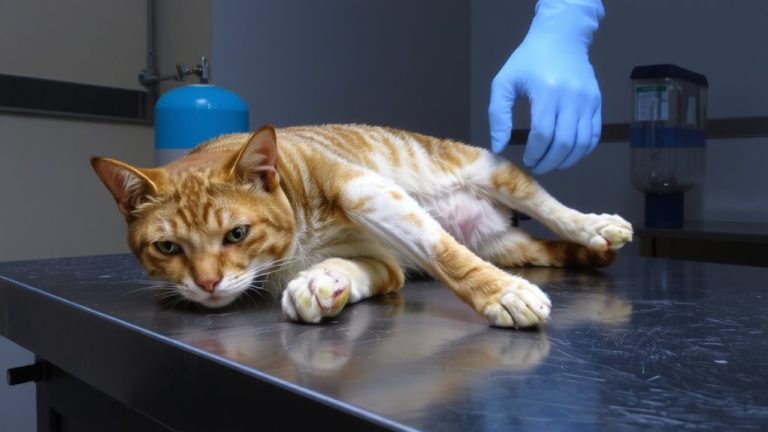
Watch for changes in how your dog moves-those early signs of hip dysplasia can show up as young as four months, though most signs become clear between 1 and 2 years of age. You might notice your pup struggling with a lying position, showing clear difficulty rising after rest. Look for decreased activity, especially reluctance to jump or climb stairs. A noticeable limp or lameness, often worse after exercise, is common. Some dogs exhibit a “bunny hopping” gait-both hind legs moving together-due to pain or weakness. This awkward motion is a red flag, especially in larger breeds. Pay attention between four months and dogs age two, when symptoms often solidify. Early signs of hip dysplasia in dogs include reduced hip mobility and favoring one side. Catching it early means better management, so monitor movement closely and consult your vet at the first hint of trouble.
What Causes Hip Dysplasia in Dogs?
While genetics play the starring role in canine hip dysplasia, your pup’s environment and care from day one can tip the scales toward health or dysfunction. Genetic inheritance means that even if only one parent has hip issues, your dog can still develop the condition. Puppies with this predisposition face higher risks when exposed to environmental factors like rapid growth from overfeeding puppies, which doubles dysplasia rates-66% versus 33% with controlled feeding. A high growth rate stresses developing joints, worsening joint laxity. Feeding a balanced diet helps maintain steady growth. Excessive exercise and high-impact activities during puppyhood further strain vulnerable hips. Early spaying may also increase risk in some breeds due to hormonal effects on bone development. You’ve got control over nutrition and activity-key levers in managing your dog’s joint health from the start.
Preventing Hip Dysplasia in Dogs: Diet, Growth & Screening
You can greatly reduce your puppy’s risk of developing hip dysplasia by managing their diet, growth rate, and screening timeline, especially if they’re a large breed. Feeding puppies a balanced growth diet helps control rapid development, cutting hip dysplasia incidence by nearly 50% compared to free-feeding. Large-breed puppies need specific nutrition to support steady skeletal growth-excess calories strain joints in dogs predisposed to this genetic condition. Limit high-impact activity during peak growth phases to protect developing hips. Start preventive care early: PennHIP screening as young as 16 weeks detects hip laxity, guiding early intervention. Breeding only OFA-certified dogs after 24 months further reduces transmission. Consistent diet, monitored growth, and timely screening form the foundation of effective preventive care for hip dysplasia in at-risk dogs.
How Vets Diagnose Hip Dysplasia
How do vets know if your dog has hip dysplasia? During a veterinary evaluation, your vet may detect signs of hip dysplasia through physical exams and specific tests. They’ll often use the Ortolani sign, a maneuver that identifies hip laxity, especially in puppies. For a definitive diagnosis, radiographs are taken under sedation or anesthesia to guarantee your dog stays still for accurate hip joint imaging. The PennHIP method measures hip laxity as early as 16 weeks old and predicts arthritis risk. At 24 months, the OFA evaluates radiographs to certify hip health. Another tool, the DLS score, quantifies hip instability on X-rays and correlates with the Ortolani sign, aiding early detection. Together, these methods provide a clear, reliable diagnosis, giving you a solid foundation for managing your dog’s long-term joint health.
Non-Surgical Treatments for Hip Dysplasia
Once your vet confirms hip dysplasia, you’ve got solid options to keep your dog moving comfortably without surgery. Non-surgical management starts with weight control-overweight puppies are nearly twice as likely to develop hip issues, so keeping your dog lean reduces stress on joints. Your vet may prescribe NSAIDs like carprofen or meloxicam to ease pain and inflammation. Add joint supplements such as glucosamine, chondroitin, and omega-3 fatty acids to support cartilage and slow arthritis. Physical therapy boosts mobility, with hydrotherapy on an underwater treadmill especially effective for building hind limb muscle mass. These elements combine into a practical, daily treatment plan tailored to your dog’s needs, helping maintain function and quality of life long-term.
When Surgery Is Needed for Hip Dysplasia
While not every dog with hip dysplasia needs surgery, it’s usually the next step when pain, lameness, or decreased mobility persists despite weight management, NSAIDs, and physical therapy. If your dog isn’t responding to medical management, surgical intervention may be necessary, especially in severe cases. The best approach depends on the severity of the condition, your dog’s age, weight, and activity level. Total Hip Replacement (THR) is ideal for larger, active dogs with hip dysplasia, offering over 90% success and near-normal function. Femoral head ostectomy (FHO) works well for dogs under 40 pounds, eliminating painful bone contact. Triple pelvic osteotomy (TPO) is a joint-preserving option, but only effective in young dogs under 10 months before arthritis develops. Early diagnosis improves surgical outcomes.
On a final note
You can manage hip dysplasia by catching signs early, like stiffness or limping after play. Feed a balanced diet with glucosamine and omega-3s, control portion sizes to maintain ideal body weight-avoid overfeeding large breeds. Use orthopedic beds and non-slip rugs at home. Follow vet-recommended treatments: NSAIDs, joint supplements like Cosequin, or physical therapy. When needed, surgeries like FHO or total hip replacement restore mobility, letting your dog stay active, comfortable, and happy.