How to Recognize and Prevent Heat Exhaustion in Brachycephalic Breeds
Your flat-faced dog overheats fast above 80°F because stenotic nares, elongated soft palates, and hypoplastic tracheas restrict airflow, making panting inefficient. Watch for loud panting, foamy drool, or red gums at 104°F-weakness or vomiting means it’s critical. Move them to shade, apply cool (not cold) towels to their neck and chest, and avoid ice. Offer small sips of water, then get to a vet, even if they seem better. Use a Chilly Dog Cool Vest or Breezy Collar during walks below 75°F, and keep them in air conditioning or shaded areas, especially in humidity. Real testers saw body temps drop 10–15°F with cooling mats that maintain 72°F for 4 hours-smart, simple prevention that works. You’ll spot more subtle signs and stronger strategies coming up.
We are supported by our audience. When you purchase through links on our site, we may earn an affiliate commission, at no extra cost for you. Learn more. Last update on 19th July 2026 / Images from Amazon Product Advertising API.
Notable Insights
- Brachycephalic breeds overheat easily due to restricted airways and inefficient panting, especially above 80°F.
- Early signs include loud panting, excessive drooling, bright red gums, weakness, and vomiting.
- Move overheating dogs to shade immediately and apply cool (not cold) damp towels to neck and legs.
- Prevent heat exhaustion by walking only during cooler times, providing constant water, and avoiding humidity.
- Use cooling vests, elevated mats, or portable cooling tools to help regulate body temperature during activity.
Why Flat-Faced Dogs Overheat Easily
While their adorable squished faces might win hearts, flat-faced dogs like Bulldogs and Pugs are built in a way that makes cooling down a real struggle. Brachycephalic breeds have short noses and compressed skulls, causing airways restrict airflow critical for breathing and heat exchange. You’ll notice their elongated soft palate and stenotic nares physically block air, while a hypoplastic trachea limits oxygen intake. These structural issues lead to inefficient panting-the main way dogs release heat. Without effective evaporation, your pup can’t regulate temperature, even in mild heat or after short walks. Flat faces and compromised anatomy mean rapid overheating and heatstroke are real risks, especially above 80°F. Your dog’s body temp can spike past 105°F fast. Knowing how these features interact helps you protect them. Prevention starts with understanding: their design isn’t just cute, it’s high-risk.
Early Signs of Heat Stress in Brachycephalic Breeds
You’re already aware that brachycephalic breeds like Pugs and Bulldogs struggle to cool down because of their shortened airways and inefficient panting, but recognizing the early signs of heat stress can make the difference between a quick recovery and a trip to the emergency vet. Watch for heavy panting, which may sound louder or more labored than usual, along with excessive drooling or foamy saliva due to breathing difficulty. Bright red gums suggest rising body temperature and poor oxygen flow, often appearing once your dog’s body temperature hits 104°F. Weakness, stumbling, or an unsteady gait means thermoregulation is failing, especially as body temperature climbs past 105°F. Vomiting or diarrhea can develop rapidly, signaling serious heat stress. These early signs in brachycephalic breeds demand immediate attention before conditions worsen.
How to Respond to Heatstroke Immediately
If your brachycephalic dog shows signs of heatstroke-like extreme panting, lethargy, or vomiting-you need to act fast to prevent serious harm. Move your dog to a cool area immediately, preferably indoors or into shade and fresh water. Brachycephalic dogs are especially vulnerable due to compromised airways, so prompt action is essential. Apply damp towels soaked in cool (not cold) water to the neck, chest, and back of legs; this helps regulate body temperature without shocking the system. Avoid ice water-it can trigger hypothermia or cardiovascular collapse. Offer small sips of cool water, but don’t force it. Even if signs of overheating improve, get to a veterinary hospital right away-internal damage can occur at temps over 105°F. Excessive panting means emergency care is non-negotiable after heat stroke.
Daily Habits to Prevent Overheating
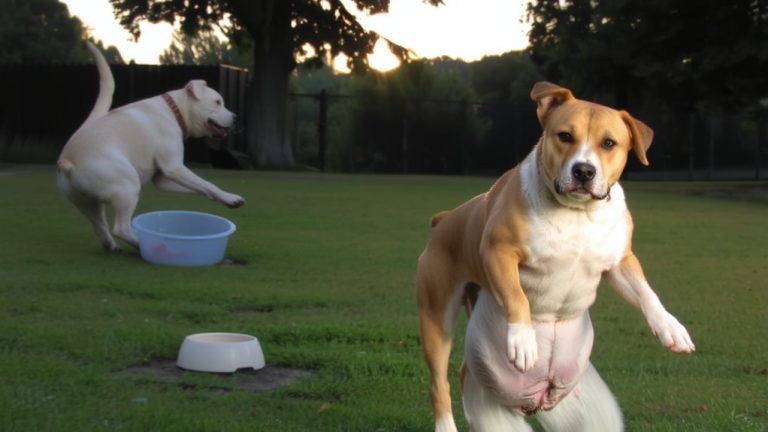
Since brachycephalic breeds like Bulldogs, Pugs, and Shih Tzus have shortened airways that make breathing-and cooling-more difficult, building heat-safe routines into your daily life is key to preventing overheating. Walk your brachycephalic pet early morning or late in the evening when temperatures drop below 75°F. Always provide plenty of fresh, cool water, and guarantee access to air conditioning or shaded areas. Avoid humid environments, which trap heat and make it harder for your dog to stay cool. Consistent habits go a long way to prevent overheating.
| Time of Day | Activity Tip |
|---|---|
| Early morning | Short walk, cool pavement |
| Midday | Rest in air conditioning |
| Late in the evening | Gentle play, fresh water nearby |
| Night | Monitor breathing in humid environments |
Effective Cooling Gear for Flat-Faced Dogs
A well-designed cooling vest, like the Chilly Dog Cool Vest, can lower your brachycephalic dog’s body temperature by 10–15°F through evaporative cooling, making it a reliable choice for outdoor walks in warm weather-just soak it in water, wring it out, and let your dog wear it during activity for effective, no-fuss heat relief. Cooling vests are ideal, but don’t stop there-elevated cooling mats with pressure-activated gel, like the Chillz Cooling Pet Pad, help draw heat away when your dog rests. For quick, gentle cooling, drape damp towels over their neck and belly. Battery-powered collars like the Breezy Collar boost airflow around key blood vessels. Portable cooling mats with phase-change materials maintain around 72°F for up to 4 hours-perfect for car trips or shaded breaks. These tools, when used together, keep brachycephalic breeds safely regulated without shock or strain.
When to See the Vet After Heat Exposure
How quickly should you rush to the vet after your brachycephalic dog overheats? Immediately-if their body temperatures hit 105°F or higher, it’s a life-threatening condition. Dogs known as brachycephalic face a higher risk due to compromised airways. Even if your pup seems fine after cooling down, internal damage might not show right away. Watch for Signs of Heat like vomiting, diarrhea, seizures, or collapse-these mean you should get to the Animal Hospital area immediately and contact us. Blood work can catch hidden issues like kidney failure or clotting problems. Delayed complications, including cardiac or neurological symptoms, often appear within 24–72 hours. Don’t wait-call us early in the morning or any time post-exposure. Prompt vet care isn’t just safe, it’s essential for recovery and long-term health.
On a final note
You can keep your brachycephalic dog safe by watching for heavy panting, drooling, or lethargy in temps above 75°F. Act fast: move them to shade, offer cool (not icy) water, and use a cooling vest like the Ruffwear Swamp Cooler. Never leave them in cars. Walks are best at dawn or dusk. Limit play on hot days, and always have fresh water available. If symptoms persist, see your vet-immediate care prevents crisis.