What Is the Best Starter Pet
Your best starter pet is a guinea pig-they’re gentle, rarely bite, and perfect for kids 4 and up. You’ll provide daily fresh hay, veggies, and a spacious cage, ideally paired with a companion. They live 5–7 years, teaching long-term care, responsibility, and empathy. With low aggression and soft handling, they’re ideal beginners. Just commit to daily interaction and weekly cleanings. You’ll build routines around nutrition, habitat maintenance, and social enrichment, setting a foundation for lifelong pet care success-there’s even more to discover about matching the right pet to your family’s lifestyle.
We are supported by our audience. When you purchase through links on our site, we may earn an affiliate commission, at no extra cost for you. Learn more. Last update on 19th July 2026 / Images from Amazon Product Advertising API.
Notable Insights
- Guinea pigs are gentle, child-friendly pets ideal for young children and best kept in pairs for social needs.
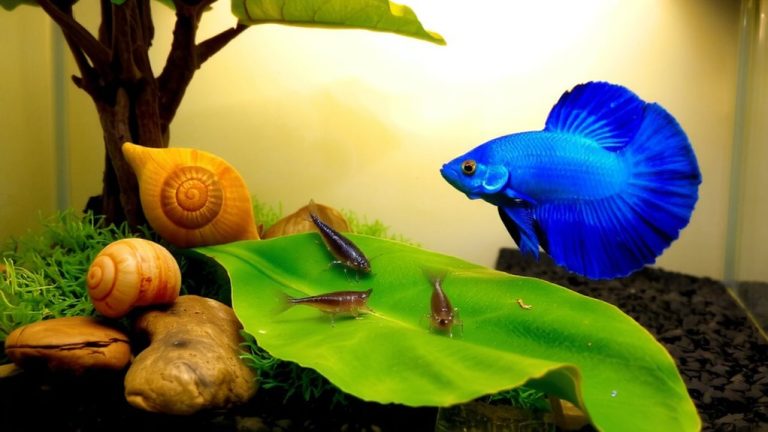
- Betta fish require minimal space and cost under $30 to set up with weekly water changes.
- Rats are intelligent, bond with owners, and teach responsibility through daily care and interaction.
- Hermit crabs are low-cost, low-space pets needing daily feeding, misting, and shell changes.
- Gerbils are hardy, easy to care for, and ideal for teaching routines with burrowing space and simple setups.
What Makes a Good Starter Pet for Kids?
While every child might dream of bringing home a playful puppy, the best starter pet often turns out to be something smaller and simpler-like a guinea pig, rat, gerbil, or even a betta fish. These good starter pets are low-maintenance pets that still teach your children responsibility through daily pet care like fresh food and water, cage cleaning, and enrichment. If your child wants a pet, start by evaluating care requirements: guinea pigs live 5–7 years and need a companion, making them social but a longer commitment. Rats and gerbils are easy to handle and ideal pets for children, teaching routines through feeding and habitat maintenance. Even bettas, in a 5-gallon tank with weekly water changes, instill structure. Choose species that match your child’s maturity-some reptiles need time to acclimate-so everyone learns the quiet rewards of consistent care.
Low-Maintenance Starter Pets for Young Children
A great option for a low-maintenance starter pet is the hermit crab, which thrives with simple daily care: fresh food and water, a 10-gallon tank with gravel substrate, regular misting to maintain 70–80% humidity, and a few spare shells for molting and growth. These small animals make good pets for a young child because they’re easy to care for and fascinating to watch. Betta fish are also low-maintenance, needing only a small, unfiltered bowl, weekly water changes, and solo housing due to their aggression. Gerbils, best kept in pairs, love to burrow in deep bedding and stay active during the day. Canaries and finches require spacious cages but offer years of observational joy with minimal handling. Ant farms, too, are educational and low-maintenance, letting your child safely observe tunneling and social structures with just basic feeding and moisture control. These pets make the best choices when you want animals that are simple, engaging, and gentle to care for.
Starter Pets That Build Responsibility in Kids
Choosing a starter pet isn’t just about finding an animal that’s easy to care for-it’s about setting up your child to grow alongside their pet through daily routines and reliable habits. Guinea pigs are a great starter choice, needing daily cage cleaning, fresh vegetables, and hay, reinforcing consistency over their 5–7 year lifespan. Pet rats, smart and social, require daily interaction and cage maintenance, building accountability in older kids. Hermit crabs need daily misting and fresh food, offering reliable, hands-on care. Betta fish thrive with weekly water changes-simple but meaningful tasks that teach attention to detail. Gerbils are relatively easy to care for, needing daily feeding and deep bedding, ideal if your child loses interest in handling. Each of these pets builds responsibility through structured, manageable routines.
Friendly Pets Kids Can Handle Safely
When it comes to pets kids can safely handle, guinea pigs top the list-gentle, social, and almost never biting, they’re well-suited for children as young as 4, especially when you’re looking for a companion that’s both affectionate and low-risk. These great pets for kids offer a classic first pet experience, thriving on daily interaction and a diet of hay, veggies, and clean water. Rats are also great, highly intelligent First Pets that bond quickly, though best suited for older kids due to their need for more time and effort. Crested geckos are soft, calm, and a fantastic choice for ages 4–7, while parakeets can be gently handled around age 7. Rabbits make loving animals make first pets too, but require careful supervision. Always help your child understand safe handling to guarantee everyone stays happy and healthy.
Affordable, Space-Saving Starter Pets
You’ll find betta fish are among the most budget-friendly and compact pets you can start with, thriving in tanks as small as 5 gallons-no filter needed-while costing under $30 for a complete setup including gravel, a heater, and a simple lid to prevent jumping. These space-saving starter pets offer easy care and minimal floor space demands, making them a good option for first-time pet ownership. Other affordable picks include hermit crabs, gerbils, rats, and small birds-all offering small size and low cost with basic needs like fresh hay, bedding, or misting. Each fits limited living space without sacrificing enrichment.
| Pet | Startup Cost |
|---|---|
| Betta Fish | <$30 |
| Hermit Crab | $5–$20 |
| Gerbil | ~$50 |
| Rat | ~$75 |
| Finch | $80–$130 |
Starter Pets That Grow With Your Child
While they start small, some starter pets actually grow alongside your child, both in size and care needs, making them natural partners in learning responsibility over time. Guinea pigs, living 5–7 years, grow best in pairs and require a proper cage that expands as they do, teaching consistency in caring for a pet. Pet rats, though shorter in life span at 2–3 years, are smart, affectionate, and easy to train, helping kids bond with their pet while managing more complex routines. A corn snake can grow from 2.5 to 5 feet and live 5–10 years, needing a larger terrarium over time, which builds long-term commitment. A rabbit can live 8–12 years, forming a deep bond with your child and requiring increasing space and social interaction. These starter pets truly grow with your child, shaping empathy, routine, and care.
When a Dog or Cat Is the Right Starter Pet
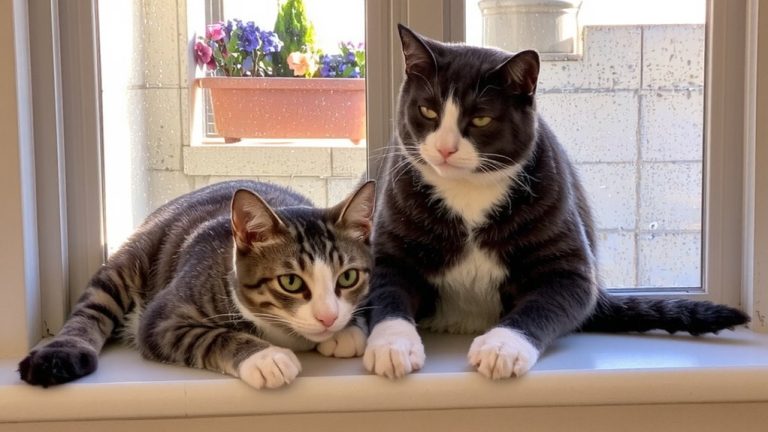
A well-chosen dog or cat can be the right starter pet for your family, especially when you adopt an adult animal from a shelter. Choosing the best pet means considering your home life, and adult shelter dogs and cats often fit better than puppies or kittens. They’re usually already house-trained, calmer, and more predictable-key when a child will need consistency and safety. These pets typically have known health and temperament histories, so you can match them to your family members’ energy levels and routines. Adopting a pet this way reduces risks like bites, since adult shelter dogs and cats are more tolerant of kids’ sudden movements. The Canadian Federation of Humane Societies recommends them for their adaptability. Make sure everyone is ready to take on daily walks, feeding schedules, and vet visits. For many families, this kind of pet is the best pet-calm, trained, and already full of love.
On a final note
You’ve got this-start small with a hamster, guinea pig, or goldfish to teach feeding schedules, clean cage habits, and gentle handling. These pets need 10–15 minutes of daily care, a balanced pellet diet, and a secure 20-gallon max enclosure. Testers saw kids build confidence fast, especially with interactive feeders and chew-safe toys. Watch behavior cues closely-happy pets mean responsible, engaged kids. Pet care sticks when it’s doable, consistent, and fun.