The Best Way to Clean a Dog’s Paws After a Walk in Salted Winter Conditions
After every winter walk in salted areas, rinse your dog’s paws in a basin of lukewarm water for 10–15 seconds per foot to dissolve ice melt like sodium chloride and calcium chloride. Use pet-safe wipes such as Dandylion Clean Paws for quick touch-ups, then dry thoroughly with a towel, pressing between toes. Apply a protective balm like Musher’s Secret to seal in moisture and prevent cracking-there’s more to keeping paws safe in harsh conditions.
We are supported by our audience. When you purchase through links on our site, we may earn an affiliate commission, at no extra cost for you. Learn more. Last update on 19th July 2026 / Images from Amazon Product Advertising API.
Notable Insights
- Set up a paw cleaning station with warm water and a non-slip mat for immediate post-walk cleaning.
- Dunk each paw in lukewarm water for 10–15 seconds to dissolve de-icing salts and brine residues.
- Use pet-safe wipes or pre-soaked cloths to clean between toes and remove lingering chemicals.
- Thoroughly dry paws with a towel, focusing on spaces between toes to prevent cracking and irritation.
- Apply a dog-safe paw balm after drying to moisturize pads and protect against future damage.
Set Up a Fast Paw Cleaning Station
While you’re dodging slush and traversing icy sidewalks in Kansas City’s brine-heavy winters, your dog’s paws are absorbing harsh de-icing chemicals like sodium chloride and calcium chloride-residues that can lead to cracked pads, chemical burns, or even salt toxicity if licked. Set up a fast paw cleaning station by your entryway: stock a basin of warm water, safe for pet wipes like Dandylion Clean Paws, and a non-slip mat to steady anxious dogs. Keep pre-soaked cloths in a sealed container for a quick rinse when time’s short. After walks, dunk each paw for 10–15 seconds to dissolve ice melt, then dry thoroughly. Dog boots can shield paw pads, but a daily warm water wash guarantees any residue is gone. This routine prevents irritation, protects sensitive paw pads, and keeps your dog healthier all season. It’s simple, practical, and tested by real owners in tough winter conditions.
Wash Paws After Every Winter Walk
You should always wash your dog’s paws after every winter walk, especially in areas like Kansas City where streets are treated with brine and de-icing salts such as sodium chloride and calcium chloride. These chemicals stick to fur, boots, and pads, causing irritation or chemical burns if not rinsed off. Even with protective boots, salt and moisture can seep in, increasing the risk of redness and infection. Make it a habit to wash each paw in a bucket of lukewarm water, gently massaging between toes and pads to dissolve trapped salt crystals. This simple step removes debris and lowers the chance of gastrointestinal issues from licking. Consistent cleaning after every winter outing prevents long-term damage, keeping your dog’s paws soft and safe from salt-related irritation.
Dry Paws Completely to Stop Cracking
After every winter walk, make sure to dry your dog’s paws thoroughly-trapped moisture can worsen salt-induced dryness and lead to painful cracks in the pads. Every winter, cold air and indoor heating sap moisture from your dog’s skin, making it even more critical to dry paws completely after each outing. Use a clean, absorbent towel to press between toes and pads for several seconds; this removes hidden water that can promote irritation or yeast. Even if your dog wore boots, condensation can build up, so always check feet after a walk. Damp paws are more vulnerable to chemical burns from de-icing salts. For a small dog, who’s often more sensitive to temperature and chemicals, consistent drying helps protect delicate pads and maintain long-term paw health.
Trim Fur to Prevent Salt Buildup
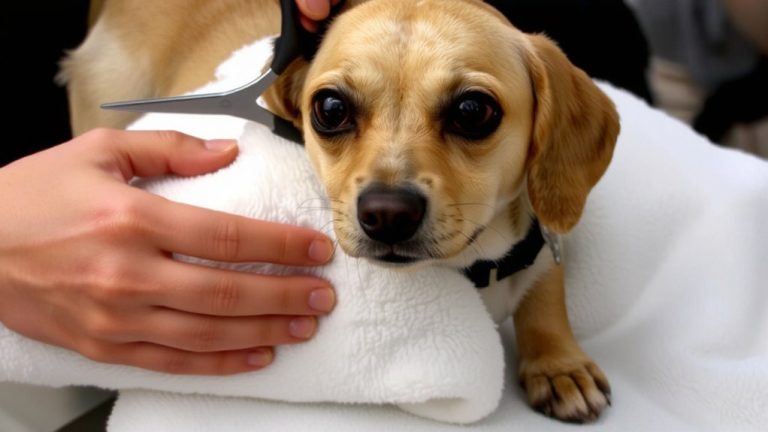
Keeping your dog’s paws dry after winter walks sets a solid foundation, but managing the fur around their feet is just as important for preventing salt damage. You should trim fur between the toes regularly to prevent snowballs and ice balls from forming, which trap brine and harmful chemicals like sodium chloride. In places like Kansas City, where roads are sprayed with brine, long hair collects slush that leads to salty paws and irritation. Dogs may lick their feet, risking salt poisoning-ingesting just 1.5 grams of salt per pound of body weight can be dangerous. Trimming hair around the foot margins keeps moisture out, even with booties, and helps prevent infections. Be careful not to cut the pad skin. Keeping fur short makes it easier to clean paws and reduces chemical exposure. Trim fur every few weeks for best results.
Use Balm to Heal Cracked Paw Pads
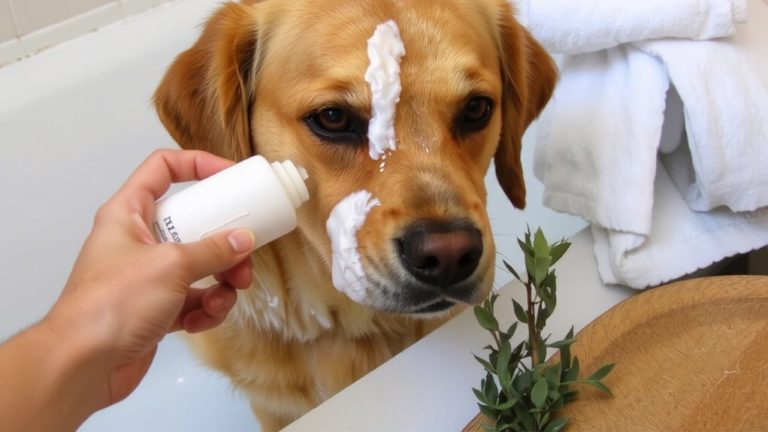
While winter’s bite can leave your dog’s paw pads dry and cracked from constant exposure to de-icing salts, a good paw balm can make a real difference in healing and protection. Apply a dog-safe balm with shea butter, beeswax, or coconut oil to deeply moisturize and repair damaged skin. Products like Bag Balm or Musher’s Secret are top-rated paw balms that protect your dogs paws by sealing in moisture and shielding against harsh chemicals causing irritation. Always use a small amount and gently massage it into the paw, including between toes, after cleaning and drying. Avoid human lotions with alcohol or fragrances-they can worsen issues if your Dog licks them. For best results, apply daily for several days; full recovery often takes up to a week, especially in small or senior dogs. Consistent use keeps paws soft, healthy, and resilient all winter.
Spot Cracks, Frostbite, and Injuries
If your dog spends time outside in freezing temperatures, you’ll want to check their paws the moment you get home, especially when temps dip below 20°F, since frostbite can set in quickly on thin-skinned areas like toe pads and edges, turning them pale, gray, or bluish as tissue begins to freeze. After Snow and ice walks, inspect pads and toes carefully-look for cracked paw pads, redness, or swelling. Ice can trap between toes, causing abrasions, while de-icing salts irritate skin around the pads and worsen existing cracks. Watch for dog licking, limping, or reluctance to walk, which often signal hidden discomfort. Use a well-lit area to spot embedded salt crystals, cuts, or ulcers under fur. Early detection helps prevent infection and permanent damage from frostbite or chemical exposure. Check each paw thoroughly, dry them completely, and address any issues before they worsen.
When to Call the Vet for Paw Burns?
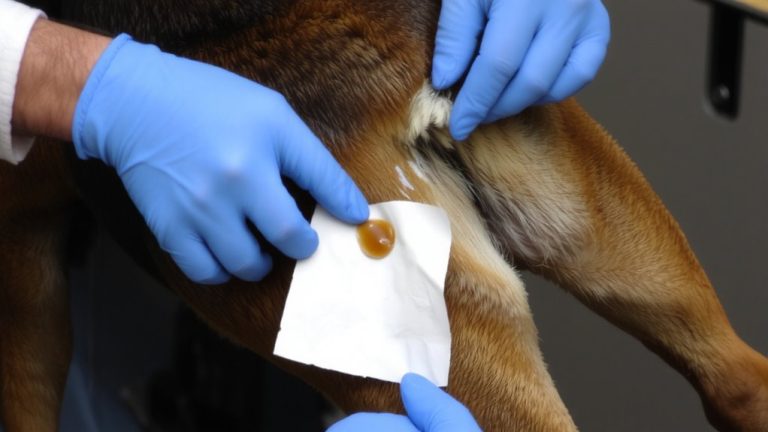
What should you do when your dog’s paws look raw, blistered, or blackened after a winter walk? Call the vet immediately-these signs suggest chemical burns from salt on icy surfaces. If your dog’s feet have open sores or blackened tissue, prompt care is critical. Make sure to monitor for limping, constant licking, or yelping, which signal severe pain. Always wipe your dog’s paws after walks to remove irritants and prevent ingestion. If your dog licks salt off their feet and shows drooling, vomiting, or lethargy, it could mean salt poisoning or digestive upset. Frostbite combined with burns needs urgent attention, too. While petroleum jelly can keep paws safe between walks, it’s not a fix for damage. For deep cracks or bleeding that worsens, especially in small dogs, consult your vet.
On a final note
After every winter walk, rinse your dog’s paws with lukewarm water for 10–15 seconds to remove ice melt, then dry thoroughly between toes. Use a microfiber towel to prevent cracking, trim fur every 2 weeks, and apply a vet-recommended balm like Musher’s Secret daily. Check pads weekly for redness or splits-early care prevents burns. If limping or blistering occurs, call your vet. Consistent, simple steps keep paws safe, comfortable, and ready for winter adventures.