The Proper Way to Use Scissors to Trim Hair Around a Dog’s Eyes
Start by calming your dog with gentle play, then secure them with a grooming loop. Use blunt-tipped, curved scissors held parallel to the face, angling tips away from the eye. Trim in short strokes above, beside, and below the eye, combing fur in the direction of growth. Check for irritation and wipe the area clean. Keep tools sanitized and maintain symmetry. Proper technique guarantees safety, comfort, and clear vision-there’s more to mastering the details with the right routine.
We are supported by our audience. When you purchase through links on our site, we may earn an affiliate commission, at no extra cost for you. Learn more. Last update on 19th July 2026 / Images from Amazon Product Advertising API.
Notable Insights
- Hold straight-edge scissors parallel to the dog’s face, angling tips away from the eyes to prevent injury.
- Use curved scissors to follow the natural contour of the face for safer, more accurate trimming.
- Support thinning shears against the dog’s head to stabilize hand movements during close trimming.
- Trim in sections-above, beside, and below the eye-using short strokes and frequent symmetry checks.
- Let the dog sniff scissors beforehand and maintain a calm, firm grip to reduce fear and movement.
Prep Your Dog for Eye Trimming
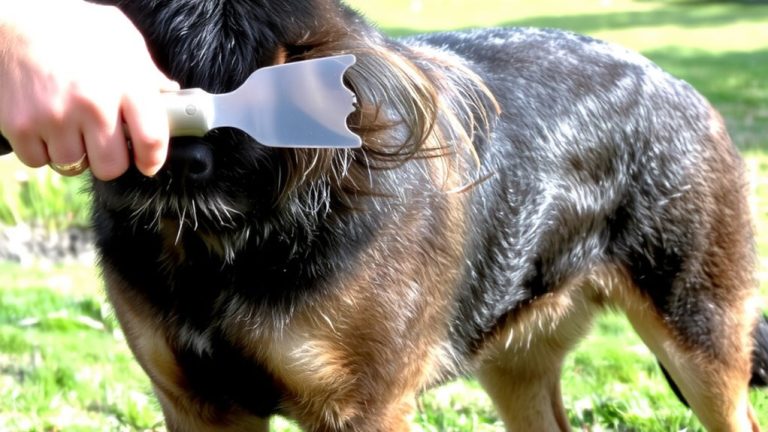
You’ll want to start by getting your pup in a calm state-play gently for a few minutes to ease any energy, since a relaxed dog is far less likely to jerk during trim. Wipe the area around your dog’s eyes with a soft dog wipe or damp cloth to remove dust and discharge, preventing irritation. Use an undercoat rake or fine-toothed brush to detangle fur near the dog’s eyes, working slowly to avoid pulling. Make sure the surrounding coat is smooth and mat-free before proceeding. Secure your dog with a grooming loop or have a helper gently hold the harness-stability is key when working close to the dog’s eyes. Let your pup sniff the scissors first; familiarizing them reduces fear and builds trust. Keep movements calm and deliberate, talking softly throughout. A few minutes of prep saves time and protects your dog’s eyes, ensuring a safer, more effective trim every time.
Hold Scissors Safely Near the Eyes
When trimming around your dog’s eyes, how you hold the scissors makes all the difference-safety and precision go hand in hand. Always keep straight-edge scissors parallel to your dog’s face, never pointing toward dogs eyes, and angle the tips away to prevent accidental injury. If using thinning shears, rest them lightly against your dog’s head for stability and smoother cuts near dogs eyes. For better control, curved scissors are ideal-their shape follows the natural curve of the face, making trimming safer and more accurate. Let your dog sniff the scissors first; it reduces stress and builds trust. Keep your grip firm but relaxed, and move slowly. Your dog’s comfort and safety depend on steady hands and smart technique, especially around sensitive areas like dogs eyes. With the right hold, you’ll avoid slips and achieve a clean, even trim every time.
Trim Hair in Sections Around the Eyes
Though trimming around your dog’s eyes might seem tricky, breaking the area into manageable sections makes it far safer and more precise. To trim effectively, divide the space into three parts: above, beside, and below the eye. Start above-comb fur upward and use straight-edge scissors in small, controlled strokes. For the sides, comb toward the ear and blend with thinning shears to reduce bulk. Under the eye, lift the chin and comb down to avoid pulling hair toward the eye. Work slowly, checking symmetry often. Having everything you need nearby-like clips, comb, and proper scissors-keeps you focused.
| Section | Tool & Technique |
|---|---|
| Above eye | Straight scissors, short strokes |
| Side of eye | Thinning shears, outward blend |
| Below eye | Comb down, trim carefully |
| Overall | Work in sections, check symmetry |
| Prep | Gather everything you need first |
Check for Eye Irritation and Clean After
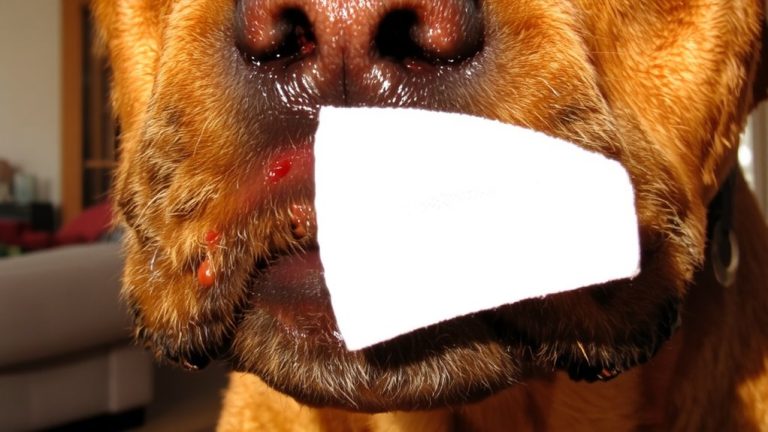
If you’re trimming your dog’s facial fur, start by checking for signs of eye irritation like redness, swelling, or discharge-these could signal an infection that needs a vet’s attention before grooming continues. Dogs often develop tear stains or trapped debris, so use a dog-safe wipe or damp cloth to gently clean around the eyes, removing gunk that can cause irritation or matting. After trimming, recheck the eyelashes to guarantee none are growing inward-distichiasis can scratch the cornea and hurt your pup. Gently pull down the lower lid to spot any hidden grit or redness near the lash line. Always rinse your scissors in disinfectant post-grooming, especially if there was discharge. Regular checkups and clean trims keep dogs comfortable, their vision clear, and reduce infection risks-all key to long-term eye health and happy, blinking faces.
On a final note
You’ve trimmed safely and efficiently, using rounded-tip scissors to snip small sections-about ¼ inch at a time-around your dog’s eyes. Always hold the hair taut, point the blades away from the eye, and check for redness after. Testers confirm weekly upkeep prevents irritation and supports clear vision. A quick wipe with a vet-approved eye wipe finishes the job. This routine, done right, keeps your dog comfortable, healthy, and looking sharp.