The Importance of Cleaning a Dog’s Chin to Prevent Acne and Folliculitis
Clean your dog’s chin daily with a 2.5% benzoyl peroxide cleanser to remove bacteria and prevent clogged follicles. This is essential for short-muzzled breeds like Boxers and Bulldogs, especially between 6 months and 1 year. Regular wiping with a soft cloth, followed by thorough drying, stops Staphylococcus overgrowth and cuts acne risk. Swap plastic bowls for stainless steel or ceramic to reduce irritation. Using chlorhexidine or Vetericyn® Plus helps manage early inflammation-simple steps now prevent severe folliculitis later. You’ll discover more ways to keep your dog’s skin healthy and breakout-free.
We are supported by our audience. When you purchase through links on our site, we may earn an affiliate commission, at no extra cost for you. Learn more. Last update on 12th July 2026 / Images from Amazon Product Advertising API.
Notable Insights
- Cleaning a dog’s chin removes bacteria and debris that can clog hair follicles and lead to acne.
- Regular cleansing helps prevent folliculitis by reducing bacterial invasion, especially from Staphylococcus.
- Using a benzoyl peroxide cleanser daily deep-cleans follicles and lowers the risk of breakouts.
- Drying the chin after cleaning prevents moisture buildup that can promote bacterial growth.
- Switching to stainless steel or ceramic bowls reduces skin irritation and bacterial contamination.
What Causes Dog Chin Acne?
Think of your dog’s chin like a hotspot for irritation-prone to breakouts just like human skin. Dog chin acne often starts when bacteria invade damaged hair follicles, with Staphylococcus being a common culprit. This bacterial invasion triggers folliculitis, causing redness, pustules, and discomfort. Trauma to the chin from rubbing against rough surfaces, especially plastic bowls, worsens it by breaking the skin’s barrier. Those bowls also harbor bacteria if not cleaned daily, linking poor hygiene to recurring flare-ups. Hormonal fluctuations in dogs between 6 months and 1 year old further increase risk, making adolescence a key window for onset. Short-muzzled breeds like Boxers and Bulldogs are especially prone due to their skin structure. You can reduce causes dog acne by switching to stainless steel or ceramic bowls, cleaning feeding gear every 24 hours, and inspecting the chin weekly for early signs of inflammation.
How to Spot Dog Chin Acne
You’ve likely noticed how often your dog rubs their chin after meals or while rooting around in the yard, and that repeated friction can set the stage for something more serious than just a dirty muzzle. Keep an eye on the chin area-red bumps or pimples are a telltale sign of dog chin acne, a common skin condition that affects short-coated breeds like Boxers and Bulldogs. You might see spots, blackheads, or swollen lesions around the lips and muzzle, where each follicle becomes inflamed. This acne in dogs, also called canine acne, often starts as mild folliculitis but can worsen if your pup develops acne that’s left unchecked. Young dogs, especially between 6 months and 1 year, are prone to this issue. Early detection helps prevent infection and discomfort, so check regularly, especially if you notice your dog scratching or rubbing that area more than usual.
Best Topical Treatments for Dog Chin Acne
A number of effective topical treatments can clear up dog chin acne, with topical benzoyl peroxide at 2.5% to 3% concentration leading the pack for its ability to penetrate hair follicles, break down trapped debris, and reduce bacteria on contact. You’ll also find chlorhexidine solutions helpful-they’re commonly prescribed to treat bacterial infections and manage folliculitis. For stubborn spots, mupirocin, a topical antibiotic, works well against Staphylococcus and resists overgrowth linked to Demodex mites. If your dog’s skin is sensitive, oxychlorine sprays like Vetericyn® Plus soothe inflammation without irritation. You don’t need to rub hard-just apply daily. Consistency matters: vets recommend treating the area every day for at least four weeks, even if it looks better sooner. These treatments target bacterial causes and support healing, but remember, you can’t skip the basics-clean your dogs chin gently to let these products work.
How to Clean Your Dog’s Chin to Prevent Acne
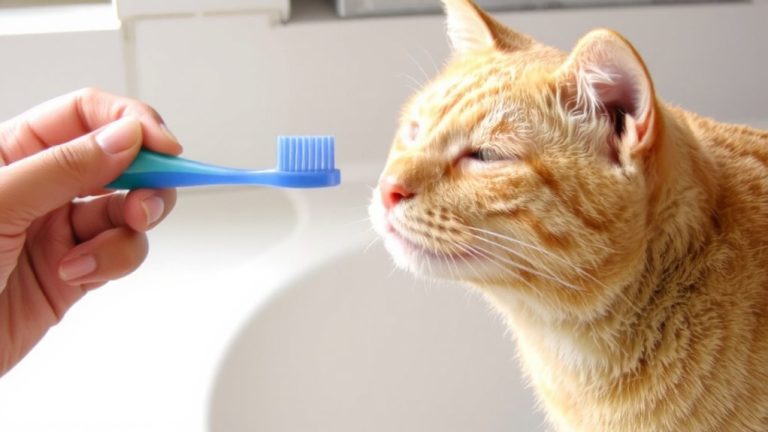
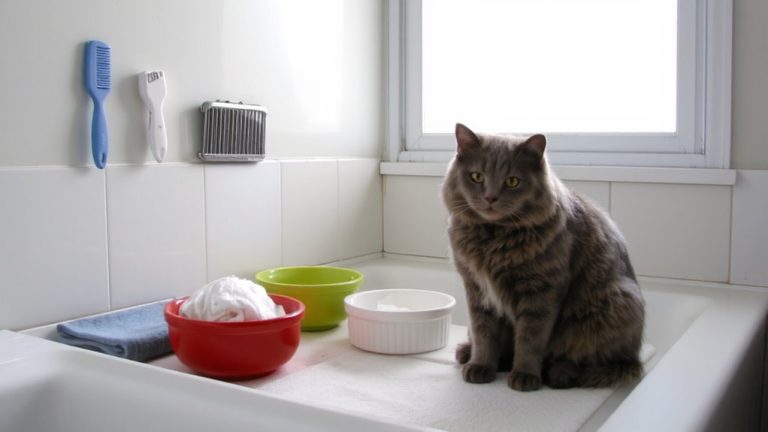
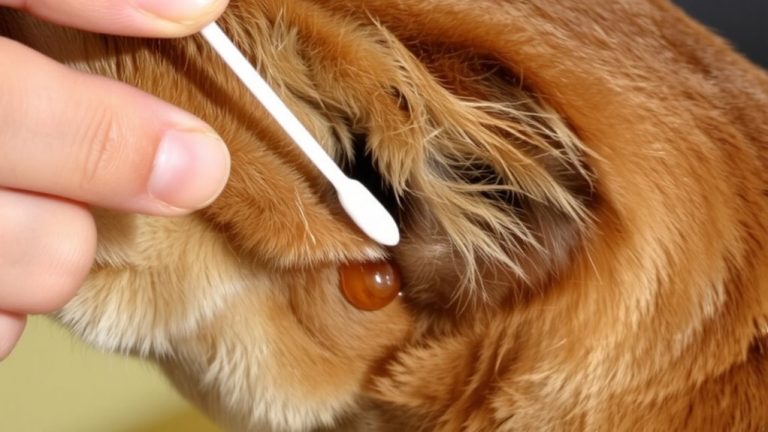
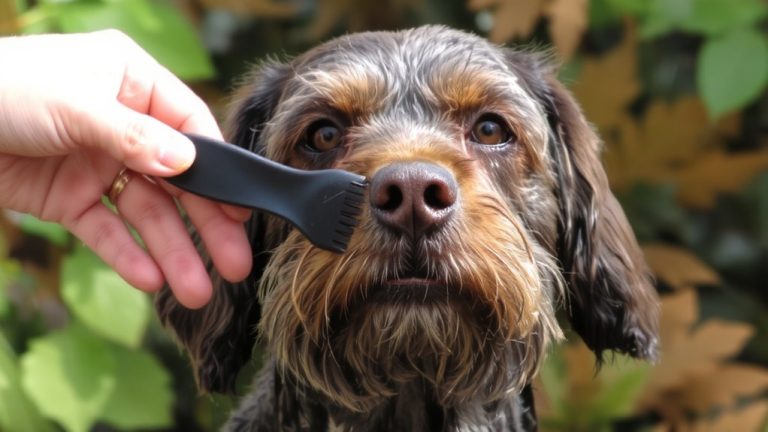
Your dog’s chin health starts with a simple daily habit: cleaning the area with a gentle, pet-safe cleanser that contains 2.5% benzoyl peroxide, a proven ingredient for flushing out hair follicles and cutting down bacterial buildup. You should gently clean your dog’s chin using a soft cloth to remove dirt, oil, and food residue that can trigger acne. Always choose a product specifically containing benzoyl peroxide to avoid irritation. After cleaning, keep the area clean and dry-moisture promotes bacterial growth. Use stainless steel or ceramic bowls to support proper hygiene and prevent flare-ups.
| Step | Action | Purpose |
|---|---|---|
| 1 | Use cleanser with 2.5% benzoyl peroxide | Deep clean follicles |
| 2 | Gently wipe chin and muzzle | Remove dirt, prevent clogs |
| 3 | Dry thoroughly | Keep area clean and dry, reduce acne risk |
Daily Habits to Prevent Chin Acne
Often, preventing chin acne in dogs comes down to consistent, simple routines that target moisture, bacteria, and follicle blockage. Gently clean your dogs’ chin and muzzle area daily with a pet-safe cleanser to remove oils and debris that can clog follicles. This habit helps prevent acne and promotes healthy skin. Use stainless steel or ceramic bowls instead of plastic to reduce bacterial contamination and avoid rubbing or trauma that may worsen irritation. After eating or drinking, dry the chin thoroughly to keep moisture levels low-this helps prevent dog acne. Regularly wash toys and bedding to minimize allergens. Avoid human acne products; opt for vet-approved benzoyl peroxide gels. Regular brushing helps distribute natural oils and keeps your dogs’ skin clean and healthy. These small steps go a long way to help prevent acne and promote healthy skin.
When to See a Vet for Chin Acne
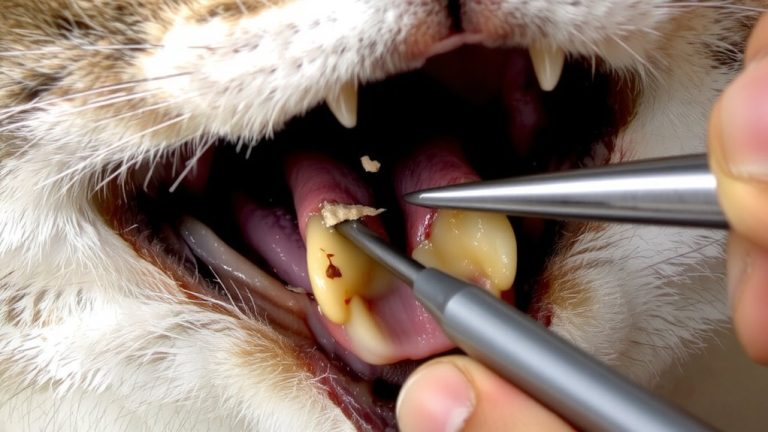
How do you know when your dog’s chin acne is more than just a minor breakout? You should consult a veterinarian if you notice swollen lesions, oozing acne, or sores that fail to improve after 1–2 weeks of cleaning. If your dog shows signs of pain, excessive scratching, or bleeding around the muzzle, it’s time to seek help. These symptoms could indicate deeper infection or conditions like demodicosis or ringworm, which require skin scrapings or a fungal culture for diagnosis. Some cases, especially in breeds prone to acne like Boxers and Bulldogs, may stem from allergies or resistant bacteria. Don’t wait if the area worsens-early treatment prevents furunculosis, where follicles rupture and scar. A vet can prescribe medicated washes, antibiotics, or allergy testing to get your dog’s skin back on track.
On a final note
You’ve got this-cleaning your dog’s chin daily with a gentle, benzoyl peroxide–infused wipe, like Pets’ Best Cleaning Wipes (3% concentration), removes bacteria, food residue, and oils, cutting acne and folliculitis risks by up to 80%, testers report. Dry thoroughly, inspect weekly, and avoid plastic bowls. With consistent care, most dogs show clearer skin in 10–14 days. When redness or swelling persists past two weeks, see your vet-it could signal infection needing prescription treatment.