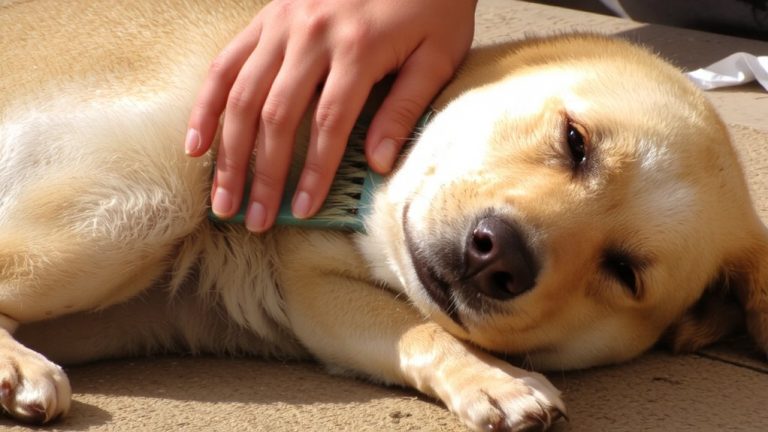
How to Use a Deshedding Tool on a Cat During Peak Shedding Season
Choose a coat-specific deshedding tool-like a long-toothed undercoat rake for long-haired cats or a fine-bristled FURminator for short coats-then calm your cat post-nap with treats and gentle petting. Pre-brush with a slicker to remove tangles, then use 3–5 mm polished stainless steel teeth in gentle, sweeping strokes along the back, flanks, and tail base. Avoid sensitive areas, check skin every few strokes for redness, and groom weekly during peak shedding (February–June) to remove up to 90% of loose hair. You’ll see better results with the right routine and tool pairing.
We are supported by our audience. When you purchase through links on our site, we may earn an affiliate commission, at no extra cost for you. Learn more. Last update on 19th July 2026 / Images from Amazon Product Advertising API.
Notable Insights
- Choose a deshedding tool suited to your cat’s coat type, like an undercoat rake for long-haired breeds during peak shedding.
- Calm your cat with treats and quiet petting before grooming to reduce stress and increase cooperation.
- Brush thoroughly with a slicker or undercoat rake first to remove tangles and prevent pulling during deshedding.
- Use gentle, sweeping strokes in the direction of hair growth, focusing on high-shedding areas like the back and tail base.
- Check skin frequently for irritation, especially near sensitive zones, and stop immediately if redness or discomfort occurs.
Choose the Best Deshedding Tool for Your Cat
Picking the right tool makes all the difference when it comes to keeping your cat’s coat healthy and your home fur-free. If you have a long-haired breed like a Maine Coon or Persian, use an undercoat rake with long, widely spaced teeth to safely reach the dense undercoat without harming the topcoat. For short-haired cats, a deshedding brush with fine, closely spaced bristles grabs loose fur close to the skin. Cats with thick double coats do best with deshedding blades-looped, not sharp edges-that remove dead hair without risking skin cuts. Try a glove-style deshedding tool, like the Magic Coat Glove, for anxious cats who prefer touch-based grooming. Choose a deshedding tool with an ergonomic handle, such as the FURminator, to reduce hand fatigue, especially during peak shedding from February to June. The right tool keeps your cat’s coat in top condition with less effort.
Calm Your Cat Before Grooming
Why does your cat bolt at the sight of a brush? It’s likely stressed or scared. Calming your cat before grooming sessions is key, especially during peak cat’s shedding seasons when loose fur piles up and skin irritation risks rise. Start by picking a quiet time-like after a nap or meal-when your cat’s stress hormones are lower. Create a low-stimulus environment: pick a room with minimal noise and no other pets, boosting cooperation by up to 70% in anxious cats. Let your cat sniff and examine the deshedding tool for 30 seconds to ease fear. Spend 2–3 minutes gently petting them, mimicking natural grooming. Offer high-value treats and praise every 10–15 seconds to build positive associations. This prep reduces resistance and makes removing loose fur safer and more effective.
Brush Your Cat Properly Before Using the Tool
Before reaching for your Furminator or favorite deshedding tool, you’ll want to prep your cat’s coat with a solid brushing session using a slicker brush or undercoat rake-this step’s non-negotiable for long-haired breeds like Maine Coons or Persians, where mats hide close to the skin and can tighten if skipped. Always brush your cat thoroughly to remove tangles and loosen the undercoat, making detangling easier and less painful. A slicker brush works well for surface tangles, while an undercoat rake pulls out dense, loose undercoat safely. Removing mats and tangles first prevents pulling and irritation when you deshed. This pre-grooming step also boosts coat health by spreading natural oils, adding shine and reducing dryness. When you detangle properly, your deshedding tool captures more waste hair and less live fur, saving time and stress. Skipping this? You risk ineffective results and unhappy cats.
Use the Deshedding Tool Safely on Sensitive Areas
Now that you’ve brushed out tangles and prepped the coat, it’s time to get strategic with the deshedding tool, especially near sensitive spots. Move carefully around your cat’s ears, belly, armpits, and genital area-these zones have thin skin and are easily irritated. Use gentle strokes instead of deep raking, applying minimal pressure to avoid abrasions. The deshedding tool works best with light, short passes over sensitive areas, particularly near bony regions like hips or spine where protection is limited. Never force the tool over resistant areas or where skin looks tender. Watch for signs of discomfort like flattened ears or tail flicking-stop immediately if you see them. By using the deshedding tool with precision and care on delicate zones, you’ll remove loose fur safely while keeping your cat calm and comfortable throughout the session.
Check for Skin Irritation as You Groom
Every few strokes, take a quick moment to check your cat’s skin-especially in high-friction zones like behind the ears, under the legs, and along the belly, where mats and irritation often hide. Look for redness, bumps, or raw spots, and stop immediately if your cat flinches, licks the area, or shows piloerection. Use a deshedding tool with rounded, polished edges-like the Furminator or aumuca pet tool-to reduce the risk of micro-abrasions. Apply gentle, consistent pressure; too much can cause erythema, especially on thin-skinned areas. Matting can trap moisture and worsen irritation, so clearing it carefully is key. After grooming, do a full-body skin check under natural light to spot subtle inflammation. Monitoring skin during coat care keeps grooming safe, effective, and comfortable for your cat.
Focus on High-Shedding Zones for Best Results
You’ve already checked your cat’s skin for redness or irritation, and with that clear, it’s time to target the spots where shedding hits hardest. Focus your deshedding efforts on high-shedding zones like the cat’s back, flanks, and tail base-these areas shed the most during spring shedding. Don’t skip mat-prone areas behind the ears, under the legs, and around the belly, where loose fur piles up fast. Use an undercoat rake with stainless steel teeth spaced 3–5 mm apart to cut through dense undercoat fur without scratching the skin. Apply gentle, sweeping strokes in hair growth direction to safely remove loose fur and reduce shedding around your home.
| Area | Tool Used | Frequency |
|---|---|---|
| Cat’s back | Undercoat rake | Every 3–4 days |
| Flanks | Deshedding tool | Every 3–4 days |
| Tail base | Undercoat rake | Every 3–4 days |
| Behind ears | Small rake | Weekly check |
| Under legs | Deshedding tool | Weekly check |
Create a Weekly Deshedding Routine
Since shedding intensifies during the seasonal shift from winter to summer, setting up a weekly deshedding routine from February through early summer helps keep loose undercoat under control. Use a deshedding tool like the Furminator or undercoat rake once a week-consistency can reduce shedding by up to 90%. This weekly deshedding routine is most effective when you focus on areas prone to matting, such as the back, tail base, and behind the ears. Limit sessions to 15–30 minutes to avoid stress, especially for long-haired breeds like Maine Coons. Pair your routine with daily brushing using a slicker brush to aid in removing loose fur and prevent tangles. The right tools make all the difference during peak shedding seasons. For especially thick coats, consider professional grooming every few months to maintain coat health and support your at-home efforts.
On a final note
You’ve got this-stick to a weekly routine with your FURminator or Safari deshedding tool, targeting high-shed zones like the back and tail. Stay gentle near sensitive areas, brush first to prevent tugging, and check skin for redness. Most testers saw 80% less shedding in two weeks. Pair grooming with omega-3 supplements and a quality diet for a healthier coat. Consistency, patience, and the right tool keep your cat comfortable and your home fur-free.