How to Groom a Blind Dog With Extra Sensitivity and Care
Set up a 36-inch-high stable table with guard rails and a non-slip mat to keep your blind dog secure. Keep one hand on them at all times for balance and reassurance, especially when using tools like a Zoom Groom® or clippers. Let your dog smell the slicker brush, comb, and hear the clipper buzz first to build trust. Move slowly, talk softly, and stick to a quiet, familiar space, so they feel safe and supported-there’s more to learn about making grooming a calm, positive ritual.
We are supported by our audience. When you purchase through links on our site, we may earn an affiliate commission, at no extra cost for you. Learn more. Last update on 19th July 2026 / Images from Amazon Product Advertising API.
Notable Insights
- Set up a stable, quiet grooming space with non-slip mats and guard rails to ensure safety and reduce anxiety.
- Maintain constant physical contact to provide reassurance and help the dog sense your movements.
- Let the dog smell and hear each tool before use to build familiarity and prevent fear.
- Use slow, predictable motions and verbal cues, especially near the face and ears.
- Perform daily skin checks and regular ear, dental, and nail care to support overall health.
Set Up a Safe Grooming Space at Home
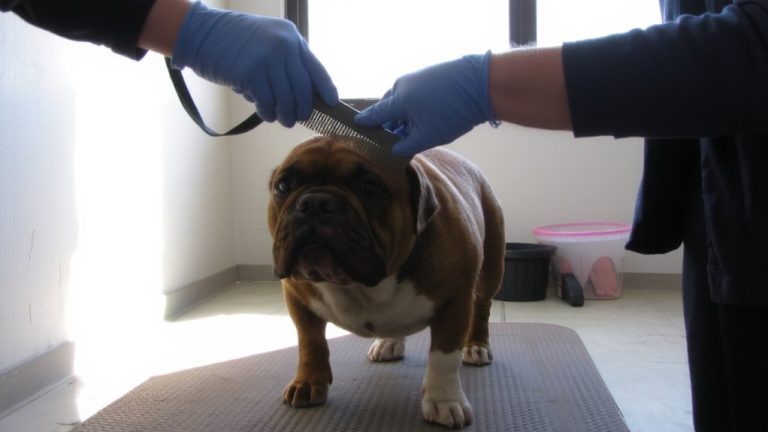
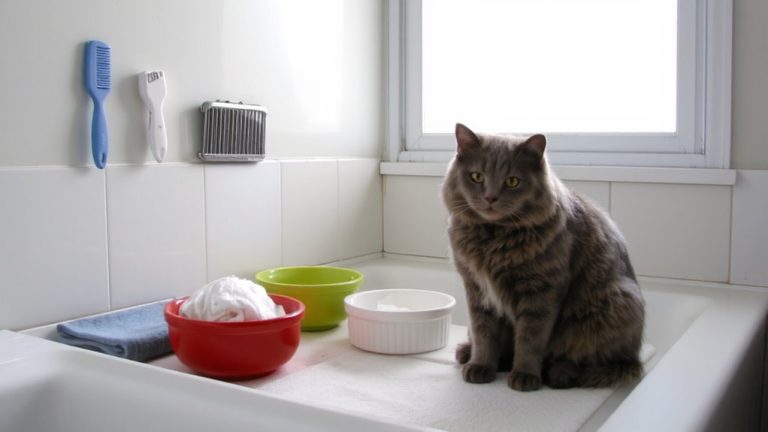
Your blind dog’s grooming routine starts with a safe, predictable space, and that means setting up a dedicated area they can trust. Use a large, stable table-36 inches high with guard rails-to prevent falls and support your blind dog during the grooming process. Place a non-slip mat on the surface so they don’t slide, even if nervous. Keep all tools-brush, clippers, nail grinder-within arm’s reach to avoid leaving them alone. Choose a familiar environment, like a quiet corner of the bedroom or laundry room, where scents and layout stay consistent. Avoid rearranging furniture or using new cleaners that disrupt their memory. On slower days, this familiar environment reduces stress. If your dog has partial sight, add a portable LED lamp (500 lumens) to help them detect light changes. You’re not just grooming-you’re building confidence, one calm session at a time.
Keep One Hand On: How Touch Replaces Vision
Once the grooming space is set up with a non-slip mat, guard rails, and tools within reach, focus shifts to maintaining connection through touch-something even more important than the setup itself. When grooming your blind dog, keep one hand on them at all times. This constant touch gives your 15-year-old diabetic Schnauzer poodle mix vital spatial awareness, especially on elevated surfaces. Blind dogs rely heavily on physical contact to track your position and stay calm. Continuous touch reduces anxiety caused by unfamiliar smells or sounds, preventing startles from sudden movements. It’s essential during brushing with a slicker brush or using a Zoom Groom® near turns or steps. Your steady hand supports balance and confidence throughout grooming. Touch replaces vision, guiding your dog safely through ear cleaning, nail trimming, and coat care-keeping the experience predictable, reassuring, and effective.
Let Your Dog Smell and Hear the Tools First
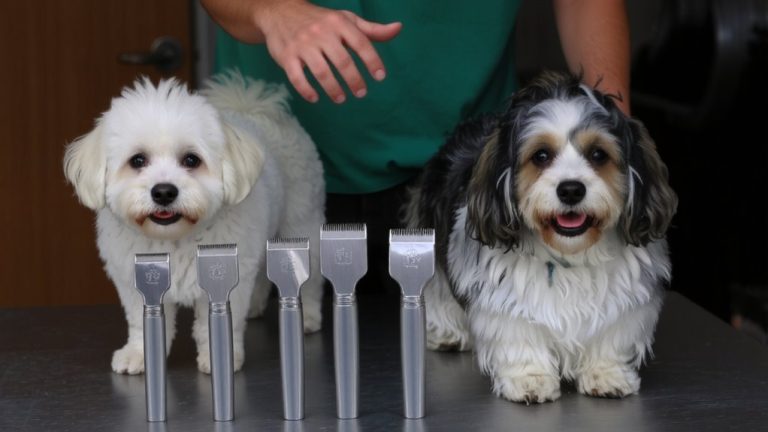
How do you keep a blind dog calm when introducing something as strange as a vibrating Zoom Groom® or sharp nail clippers? Start by letting your dog smell each tool-slicker brush, pin brush, comb-before use. This simple step builds trust and eases fear of unfamiliar objects. For a visually impaired dog, sound is just as important: turn on clippers or the Zoom Groom® near their ear so they hear the buzz before feeling it. Tap tools gently to create audible clues they can detect. Introduce items one at a time, never silently or from behind-sudden contact raises anxiety. These grooming tips help your dog stay relaxed and prepared. With scent and sound, your dog learns what’s coming, turning grooming into a predictable, positive routine.
Groom With Slow, Predictable Movements
Though you might be tempted to work quickly, moving slowly and deliberately during grooming helps keep a blind dog calm and confident, especially when traversing sensitive areas like the face and ears. Dogs rely on touch and sound when they’re Blind or Visually Impaired, so sudden moves can spike anxiety. Keep one hand on your dog at all times to provide steady feedback, letting them feel where you are. Approach the head from behind and slide your hand up the neck-this avoids shadows and surprises. Use soft, consistent words; your voice helps ground Visually impaired dogs, offering comfort through familiar tones and vibrations. Groom in quiet moments, when the house is calm, so your dog isn’t overwhelmed. These predictable routines reduce stress, building trust over time. With patience, grooming becomes not just safe, but reassuring for your blind companion.
Check Skin, Teeth, and Ears Without Sight
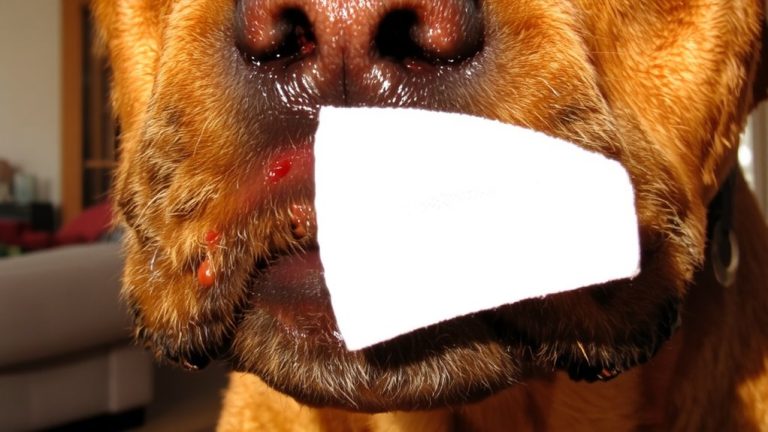
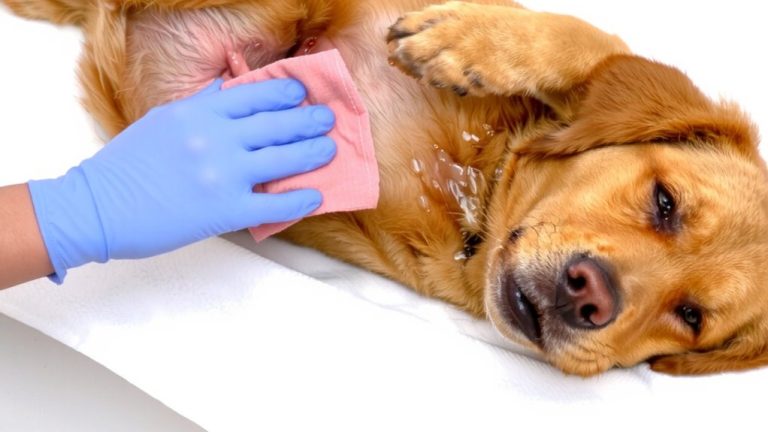
Start at the top of your dog’s head and work your way down, using your hands to gently rub along the skin every day-this simple routine helps you catch lumps, cuts, or irritation early, since blind dogs won’t see injuries they might otherwise notice. Because their vision is impaired, you’re their main defense against hidden health issues. Check the face, neck, armpits, inner thighs, and paws thoroughly-common spots for mats, ticks, or foxtails. Even though they’re not able to see, regular dental care matters; inspect teeth three times weekly with C.E.T. Enzymatic toothpaste, never human kinds with toxic fluoride or Xylitol. Weekly, use a moistened cotton wipe to clean ears-skip swabs to avoid damage. Watch for eye discharge, swelling, or squinting, especially in diabetic dogs prone to cataracts. Staying hands-on means catching concerns early, keeping your dog healthier, longer.
Trim Nails and Clean Ears Without Startling
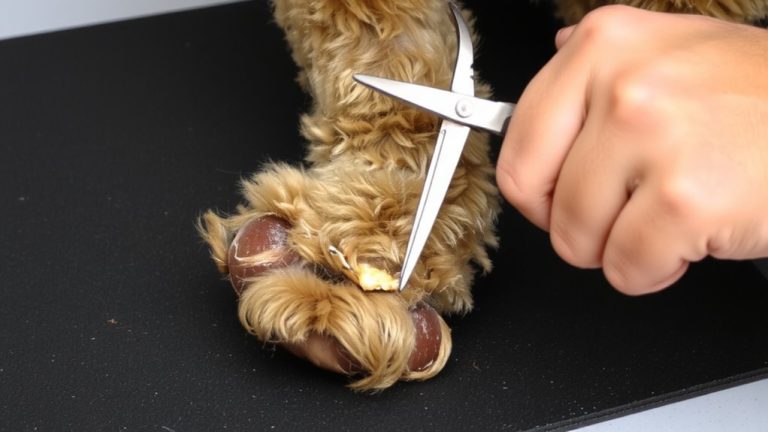
You’ve already built a routine of checking your dog’s skin, teeth, and ears with hands-on care, and now it’s time to focus on two other key hygiene tasks: trimming nails and cleaning ears without causing stress. Make sure you trim every 2–4 weeks, right when nails click on tile. Use a quiet, familiar space with a non-slip mat so your dog gets steady footing. Keep one hand on your dog at all times, and use calm verbal cues to signal each step-no sudden moves. For ears, schedule weekly cleanings with a cotton pad dampened with a vet-approved solution. Avoid cotton swabs-they can injure sensitive areas. Only wipe the outer ear, never insert anything. Maintain contact throughout to reinforce trust. Though not around the eyes, this care still protects overall facial comfort by reducing irritants. Your steady touch makes all the difference.
Talk and Touch: Finish Calmly to Build Trust
Because your blind dog relies on touch and sound to feel safe, keeping one hand in contact throughout the grooming session helps them stay grounded and aware of your presence, reducing anxiety caused by unpredictable movements. When you groom a blind dog, you must talk and touch consistently-use calm verbal cues like “almost done” or “just brushing now” so they can follow along. Approach their head from behind, sliding your hand up the neck to prevent sudden sensations that might startle. Let them sniff each tool first, and describe steps aloud to ease the dog’s anxious reactions. At the end, don’t rush. Finish with slow, gentle strokes down the back and soft praise-“good boy, all finished”-to build trust. This routine reassures them, turning grooming into a safe, predictable ritual. Consistency in touch and voice keeps the experience positive and stress-free.
On a final note
You’ve got this-grooming your blind dog safely takes patience, not perfection. Keep a calm tone, use slow, consistent motions, and rely on touch cues. Let your pup sniff clippers or brushes first, stick to quiet tools like the Andis 77905, and always keep one hand on their back. Check ears weekly with Vetericyn wipes, trim nails with a Dremel 7300, and reward calmness. Trust builds with routine, warmth, and clear communication-every session strengthens your bond.