How to Prevent Ear Hematomas in Active Spaniels Through Proper Grooming
Trim your spaniel’s ears in stages, starting with the inner leather and leaving outer fur for later sessions to avoid sensory shock. Use blunt-tipped scissors on mats and switch between ears and body grooming to reduce head shaking. Keep a Happy Hoody on during the process to limit flapping and soothe movement. Flush ears with cool water and watch for early swelling-size of a grape-especially within 48 hours post-groom. Immediate vet care boosts healing chances markedly if it forms.
We are supported by our audience. When you purchase through links on our site, we may earn an affiliate commission, at no extra cost for you. Learn more. Last update on 19th July 2026 / Images from Amazon Product Advertising API.
Notable Insights
- Trim inner ear leather first and delay outer ear clipping to reduce sensory shock and prevent violent head shaking.
- Work in small grooming sections across multiple sessions to minimize stress and sudden ear trauma in spaniels.
- Use blunt-tipped scissors to carefully cut matting beneath the ear leather edge and avoid skin injury.
- Employ a Happy Hoody during grooming to restrict ear flapping and provide calming sensory input.
- Massage and flush ears with cool water during bathing to soothe irritation and reduce post-grooming inflammation.
Define Ear Hematoma in Dogs
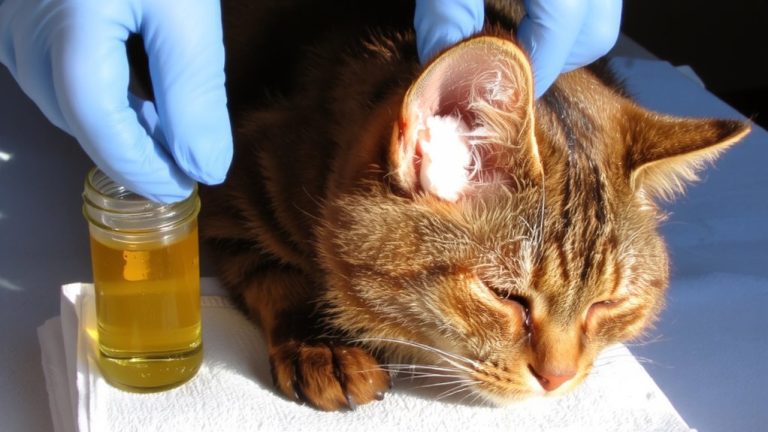
While it might seem like just a swollen ear, an ear hematoma in dogs is actually a pocket of blood trapped between the cartilage and skin of the ear flap, and you’ll notice it as a soft, puffy swelling that feels like a water balloon under the skin. This condition, commonly seen in dogs with floppy ears, arises from trauma to the ear-often due to vigorous head shaking or ear scratching. When your dog shakes its head hard, blood vessels rupture, leading to fluid buildup. If left untreated, the ear hematoma can cause thickened, crumpled tissue-a “cauliflower ear”-that distorts dogs ears permanently. Early intervention reduces discomfort and complications. You’ll want to check your spaniel’s ears daily, especially after grooming sessions, since sudden changes in ear sensation can trigger head shaking. Quick vet care, proper cleaning, and monitoring help maintain healthy ears.
Recognize Why Active Spaniels Get Ear Hematomas
You’ve seen how an ear hematoma forms-a blood-filled pocket between the skin and cartilage of the ear flap-and now it’s time to understand why active Spaniels face a higher risk. Your Spaniel’s floppy ears trap moisture, especially after swimming, which can lead to irritation and infections. This discomfort makes dogs shaking their heads violently, putting stress on delicate blood vessels. Matted ears worsen the problem-dense, tangled fur pulls on the skin, increasing tension during shaking and raising the chance of vessel rupture. Since Spaniels have thin, highly vascular ear flaps, even minor trauma can trigger ear hematomas. Frequent outdoor activity introduces debris and dampness, compounding infection risks. Left untreated, these issues escalate fast. Recognizing early signs-itchiness, head tilt, or swelling-helps prevent severe cases. Healthy ears mean less shaking, fewer hematomas, and a happier, active dog.
Use Staged Trimming to Prevent Ear Hematomas
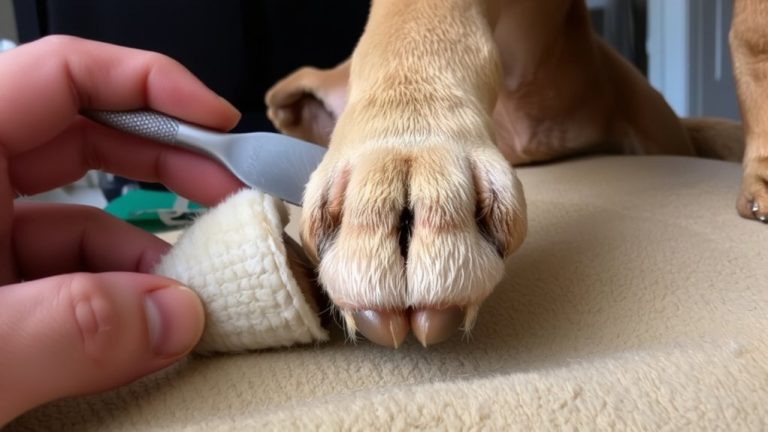
Since sudden changes in ear sensation can set off intense head shaking, especially in dogs with matted ears, trimming in stages makes a big difference in preventing trauma. You should start by clipping just the inside of the ear leather, leaving the outer surface for later-this gradual approach reduces sensory shock. Dogs, particularly spaniels with thick, matted fur, are prone to hematomas when abrupt grooming triggers violent shaking. Work in small sections over multiple sessions, using blunt-tipped scissors to safely cut matting below the ear leather edge. Alternate between ear areas and body grooming to spread out sensory input and keep your dog calm. This method lets your pet adjust to the lighter feel without panic. Over time, staged trimming markedly lowers the risk of painful hematomas while maintaining comfort and ear health.
Prevent Head Shaking After Ear Grooming
Staged trimming isn’t just about managing matting-it’s also your best defense against head shaking after ear grooming, a common trigger for hematomas in spaniels. When you groom, avoid removing all matted fur at once; gradual reduction prevents sensory shock that leads to violent head shaking. Clip small sections of the outer ear, then switch to legs or body, spreading out stimulation. This keeps your dog calm and reduces the urge to shake. Use a Happy Hoody from start to finish-it limits ear flapping and soothes post-groom movement. During bathing, gently massage and flush ears with cool water to deliver calming input. For dogs prone to ear issues, this routine helps prevent infections. Stay alert if your spaniel has a history of allergies-adjust your approach to prevent discomfort. With the right technique, you’ll keep their head stable, their ears healthy, and your grooming sessions smooth.
Spot Early Ear Hematoma Signs
A sudden soft swelling on the inner ear flap, often no bigger than a grape in early stages, is one of the first clear signs of an ear hematoma in spaniels-especially if your dog starts tilting their head, scratching at one ear, or holding it lower than usual. As a pet owner, catch these early warnings before aural hematomas worsen. Watch for warmth, redness, or slight thickening after grooming, especially if your spaniel shake its head aggressively post-mat removal. Even minor blood at the ear tip can signal capillary rupture beneath the skin.
| Symptom | What to Check | Why It Matters |
|---|---|---|
| Swelling | Inner ear flap | Early fluid buildup |
| Head tilt | Posture shift | Discomfort or imbalance |
| Head shaking | Frequency after grooming | Trauma indicator |
| Warmth/redness | Touch test | Inflammation precedes swelling |
Treat Swelling Early to Avoid Cauliflower Ear
That sudden puffiness on your spaniel’s ear flap? It’s likely a hematoma forming, and treating it early is critical to avoid cauliflower ear. If you catch it within 24–48 hours, veterinary-guided aspiration plus a glucocorticoid injection can resolve it in about half of cases. Waiting past 72 hours increases fibrosis risk, leading to permanent deformity. Right after grooming-especially if ears were severely matted-apply a cold compress and immobilize the ear to reduce the risk. Pendulous ears, common in spaniels, are prone to trauma from head shaking, so prompt action post-grooming is your best course of action. Regular grooming prevents matting that triggers inflammation, helping reduce the risk long-term. Early intervention isn’t just smart-it’s the most effective way to keep your dog’s ears healthy and avoid surgery down the line.
When to Call the Vet About Ear Swelling
When should you pick up the phone and call your vet about swelling in your spaniel’s ear? If you notice sudden ear flap swelling, especially within 24 hours after Grooming Techniques that involved ear cleaning or handling, contact your vet immediately-your pet could be developing an aural hematoma. Seek help if your dog shows pain, yelps when touched, or tilts their head persistently. Warmth, redness, or a fluctuant feel means blood may be pooling between skin and cartilage, and early veterinary care helps identify the severity before damage sets in. Even mild swelling warrants evaluation, as up to 50% of non-surgically treated hematomas recur. Delaying beyond 48 hours increases the risk of fibrosis and “cauliflower ear.” Prompt action supports better outcomes, helping pet owners avoid long-term deformity.
On a final note
You’ve got this-trim your spaniel’s ears in stages using rounded-tip scissors, leaving ½ inch of hair for protection. After grooming, skip cotton swabs and use a vet-approved ear cleaner to prevent irritation. If he shakes his head, check for warmth or puffiness right away. Catch swelling early with a cold compress, but call your vet if it persists-quick action prevents cauliflower ear and keeps him hunting happy.