The Importance of Cleaning a Cat’s Ears Before Applying Medication
You should clean your cat’s ears before applying medication to remove wax and debris so the treatment can reach the infection effectively. Use a vet-approved, pH-balanced cleaner like Epi-Otic, which is gentle on sensitive tissue and won’t worsen inflammation. Avoid cotton swabs or hydrogen peroxide-they can push gunk deeper or damage the ear canal. If you spot redness, odor, or your cat resists, skip cleaning and check with your vet. Proper prep means better results, especially with prescription drops for mites or infections. There’s more to get right when timing and technique make all the difference.
We are supported by our audience. When you purchase through links on our site, we may earn an affiliate commission, at no extra cost for you. Learn more. Last update on 19th July 2026 / Images from Amazon Product Advertising API.
Notable Insights
- Cleaning removes debris and discharge, allowing medication to reach the affected area more effectively.
- A clean ear canal enhances the absorption and efficacy of prescribed ear treatments.
- Removing wax and infection byproducts reduces the risk of medication being neutralized or diluted.
- Proper cleaning before treatment helps prevent trapped debris from worsening irritation or infection.
- Veterinary-approved cleaning prepares the ear safely, minimizing the risk of damaging inflamed or infected tissue.
Check for Infection First: When Not to Clean Your Cat’s Ears
Before you reach for a cotton ball or ear cleaner, take a moment to inspect your cat’s ears-cleaning could do more harm than good if signs of infection are present. If you notice redness, swelling, discharge, odor, or pain, your cat may have otitis externa or another ear issue. Attempting to clean could push debris deeper or lead to a ruptured ear drum, especially if pressure is applied. Cats that shake their heads, scratch at their ears, or rub them on furniture often need a veterinarian’s help. A professional can check for a perforated ear drum and confirm whether infection is present. Never use over-the-counter drops or cleaners without a diagnosis. Doing so risks worsening inflammation or causing middle ear damage. Let a vet guide treatment-your cat’s hearing and comfort depend on it.
How to Clean Your Cat’s Ears Before Medication
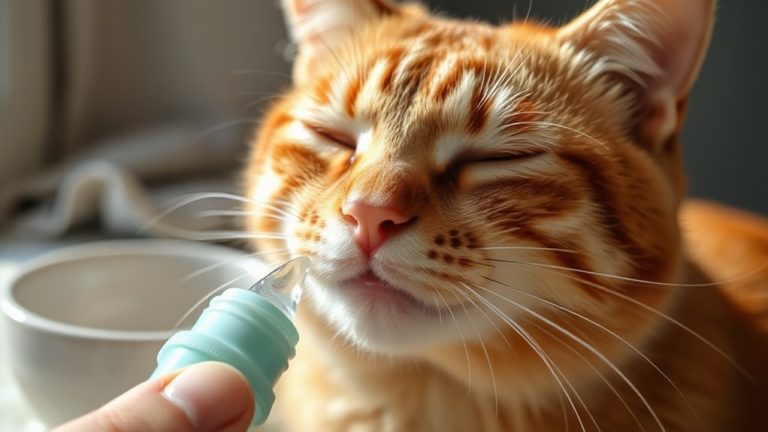
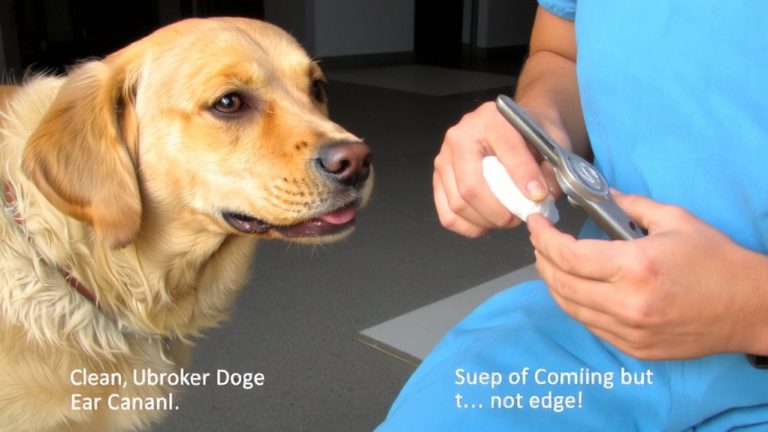
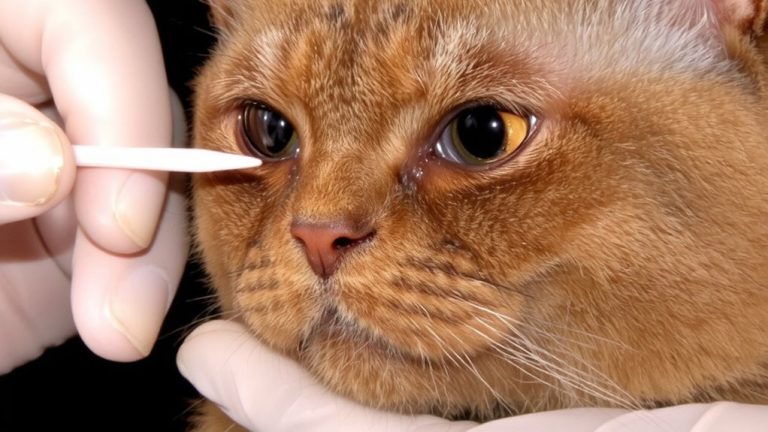
While your cat’s ear canal has a natural 90-degree bend that can trap wax and debris, gently straightening it by lifting the ear flap gives you better access for a thorough cleaning-especially important when prepping for medication. Proper ear cleaning removes debris and discharge, helping medication work better. Use a veterinarian-approved cleaning solution-never hydrogen peroxide or alcohol, as they can irritate sensitive tissue. Fill the ear canal with solution, then gently massage the base for 30 seconds to loosen buildup. Let your cat shake its head, then wipe the outer ear with a cotton ball. Never use a cotton swab to clean deep inside-it can push debris further or harm the eardrum.
| Step | Action |
|---|---|
| 1 | Lift ear flap and apply solution |
| 2 | Massage base gently for 30 seconds |
| 3 | Allow head shaking |
| 4 | Wipe with cotton ball |
| 5 | Repeat as directed |
Choose a Safe Ear Cleaner for Cats
If you’re unsure which ear cleaner to choose, start with a veterinarian-recommended option like Epi-Otic, a gentle, pH-balanced formula designed specifically for cats and proven safe for regular use. This safe ear cleaner supports routine ear cleaning without disrupting the ear’s natural balance. Look for a veterinarian-recommended ear cleaner that includes antibacterial ingredients or antifungal ingredients if your cat is prone to infections. These additives help prevent secondary issues, especially when the ear canal is vulnerable. Always avoid alcohol and avoid hydrogen peroxide-these harsh substances can worsen ear irritation or cause ear canal inflammation, particularly in sensitive or already-inflamed ears. Never use human products or home remedies like vinegar, which aren’t formulated for cats. Epi-Otic is trusted by vets for its consistent performance and gentle yet effective action. Let your vet guide your choice based on your cat’s specific needs, ensuring every cleaning is both safe and effective.
When to See a Vet for Ear Problems
You’ve picked a vet-approved ear cleaner like Epi-Otic and you’re ready to maintain your cat’s ear health, but knowing when to stop cleaning and start seeking professional help is just as important. If your cat appears uncomfortable, shows pain during the cleaning, or resists touch near the ears, it could signal an ear infection and requires medication. You should notice discharge, inflammation, a foul odor, or constant head shaking-these are red flags. Black, waxy debris might mean ear mites, which need prescription treatment. Never clean if the ear drum or causing trauma is suspected, as this worsens injury. Persistent scratching or odor also means it’s time to consult with your veterinarian. Early vet care prevents complications and keeps your cat healthy, comfortable, and infection-free.
On a final note
Always check your cat’s ears for redness, odor, or discharge before cleaning-skip it if you suspect infection. Use a vet-approved, gentle cleanser like Virbac Epi-Otic, applying 3–5 drops per ear. Massage the base for 20 seconds, let your cat shake, then wipe the outer ear with a cotton ball. This removes debris and helps medication absorb better. Clean ears mean faster healing and less discomfort for your cat.