Why Short-Nosed Breeds Need Daily Eye Cleaning Due to Excessive Tearing
Your short-nosed dog sheds up to 30% more tears because their flat face and shallow eye sockets block proper drainage, causing overflow and damp fur around the eyes. This constant moisture traps porphyrins, leading to reddish stains and inviting bacteria. Daily cleaning with vet-approved eye wipes or a saline-dampened cotton pad removes buildup, dries folds, and prevents infections. You’ll avoid redness, odor, and irritation-plus, spot trouble early. There’s more to keeping their eyes clear and comfortable just ahead.
We are supported by our audience. When you purchase through links on our site, we may earn an affiliate commission, at no extra cost for you. Learn more. Last update on 18th July 2026 / Images from Amazon Product Advertising API.
Notable Insights
- Short-nosed breeds have shallow eye sockets that cause tears to overflow onto the face instead of draining properly.
- Their flat facial structure often leads to partial blockage of the tear ducts, increasing tear accumulation.
- Exposed eyes are easily irritated by debris, triggering excessive tearing and requiring daily cleanup.
- Porphyrins in tears cause reddish-brown stains on the muzzle, especially noticeable in light-colored coats.
- Daily cleaning prevents bacterial growth, skin irritation, and potential eye infections from chronic moisture.
Why Brachycephalic Dogs Have Watery Eyes
Because your Pug or Shih Tzu has a flatter face and more prominent eyes than longer-snouted dogs, their tear drainage system often doesn’t work as it should-tears overflow the eyelid and run down the muzzle instead of draining through the nasolacrimal duct to the nose, leading to constant dampness, reddish staining, and sometimes skin irritation. Brachycephalic breeds have shallow eye sockets and flat faces, which compromise their facial conformation, often causing partial tear duct obstruction. This structural issue results in chronic watery eyes and excessive tearing. The exposed eyes are easily irritated by dust and pollen, worsening tear production. Skin folds trap moisture and bacteria, increasing the risk of eye irritation and eye infections. You’ll notice constant glistening or damp fur around the eyes-it’s not just messy, it’s a breed-specific health consideration requiring daily care to prevent complications.
Recognizing Tear Stains and Eye Irritation
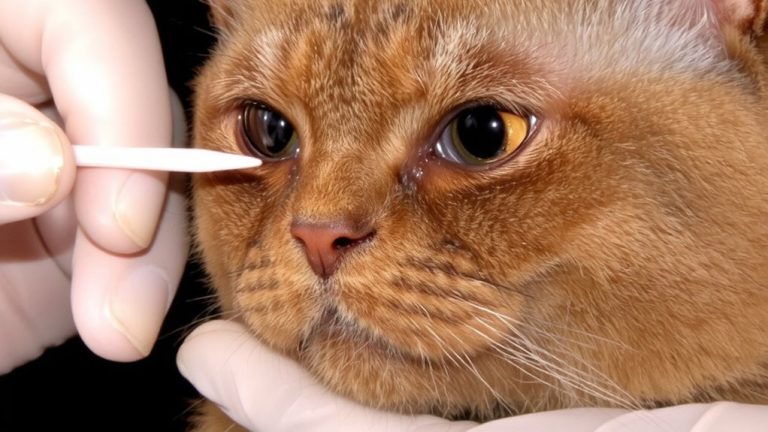
Around the inner corners of your dog’s eyes, you’ll likely notice reddish-brown streaks trailing down the muzzle, especially if they have light-colored fur-this is a telltale sign of tear staining. That discoloration comes from porphyrin, a pigment in tears, and is common in brachycephalic breeds due to impaired nasolacrimal duct drainage. Excessive tearing isn’t just messy-it can lead to skin irritation and infections. Watch for signs of eye irritation like redness, squinting, or unusual eye discharge, which may signal an underlying issue needing veterinary care.
| Symptom | What It Means |
|---|---|
| Reddish-brown stains | Porphyrin buildup from excessive tearing |
| Squinting, redness | Possible eye irritation or infection |
| Foul discharge | Requires prompt veterinary care |
How Daily Cleaning Prevents Stains and Infections
You’re already on the lookout for reddish-brown streaks and signs of irritation, which means you know what to spot-but catching symptoms early is only half the battle. Daily cleaning is your best defense against tear stains and health risks tied to excessive tearing. When you clean the area around your dog’s eyes every day, you’re removing porphyrin, the compound in tears that causes staining. Regular eye cleaning with dog eye wipes or a warm washcloth helps prevent infections by clearing bacteria and trapped moisture. This is especially essential for breeds like Pugs and Shih Tzus, where damp facial folds invite irritation. Use a fresh cotton ball or baby-safe wipe for each eye to avoid cross-contamination. Consistent hygiene doesn’t just keep your dog looking neat-it can prevent infections, conjunctivitis, and corneal issues down the line.
How to Clean Your Dog’s Eyes Safely
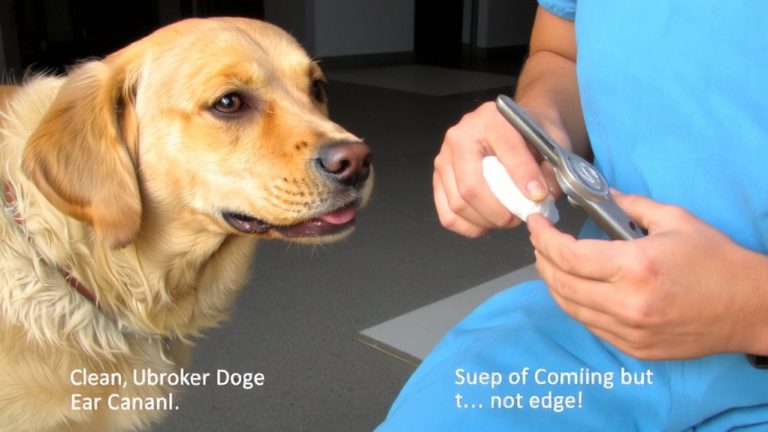
A soft, consistent approach makes all the difference when cleaning your dog’s eyes safely, especially for short-nosed breeds like Pugs and Shih Tzus that are prone to tear buildup. To Clean Your Dog’s eyes, use a cotton pad moistened with saline or a vet-approved wipe like Optixcare®. Always wipe from the inner to outer corner of the eyes, using a fresh pad for each eye to avoid spreading bacteria. Cleaning the area daily helps manage tear ducts and prevent staining. After cleaning, gently dry the area to reduce moisture in facial folds. Never use tissues-they can irritate the area around the eyes.
| Step | Tool | Purpose |
|---|---|---|
| 1 | Cotton pad | Clean debris safely |
| 2 | Saline solution | Moisten pad, avoid dryness |
| 3 | Clean towel | Dry the area completely |
| 4 | Treats | Reward for positive experience |
| 5 | Lint-free wipe | Alternative for sensitive eyes |
Cleaning should be calm, consistent, and stress-free for both you and your dog.
When to See a Vet for Eye Discharge
What should you do when your dog’s eye discharge goes beyond the usual gunk? If you notice yellow or green, pus-like discharge, contact your veterinarian immediately-it likely signals a bacterial infection needing prescription treatment. Persistent eye discharge lasting over 24 hours, especially with redness, swelling, or squinting, may point to conjunctivitis or a blocked nasolacrimal duct. Sudden vision loss or clumsy behavior warrants urgent vet care, as it could indicate serious eye disease. Bulging or swollen-shut eyes may mean glaucoma or trauma, risking permanent damage. Foul-smelling or bloody discharge also demands prompt vet attention due to possible underlying health issues. While excessive tear production is common in short-nosed breeds, don’t ignore troubling signs. Your veterinarian can diagnose the cause and help protect your dog’s eye health before complications arise.
On a final note
You keep your short-nosed dog’s eyes healthy by wiping them daily with a soft, damp cloth or vet-approved eye wipe. Excess tearing is normal, but unchecked moisture causes stains and infections. Clean gently around the corners each morning, and check for redness or swelling. Use pH-balanced, alcohol-free solutions-testers prefer wipes with chamomile and aloe. Consistent care prevents complications, keeps fur clear, and supports long-term comfort.