Why Brushing a Cat Daily Reduces Hairballs and Vomiting Episodes
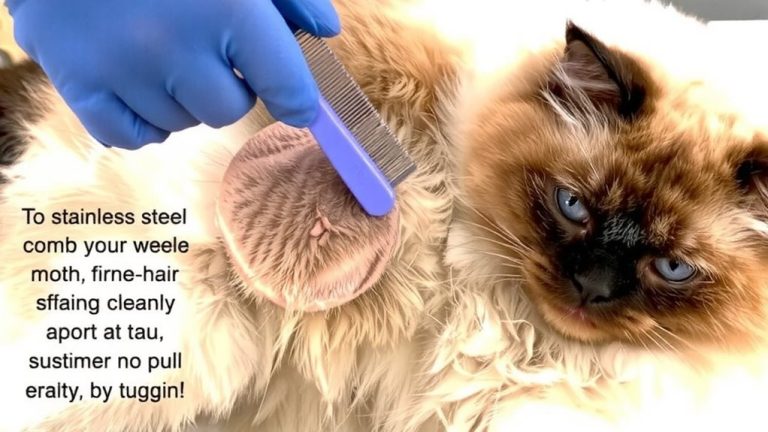
Brushing your cat daily removes loose fur before they swallow it, cutting hairball formation by up to 80%. Their barbed tongue traps hair during grooming, especially indoors where they may lick themselves up to 60% of the day. Without brushing, ingested hair clumps in the gut, causing gagging and vomiting. Use a slicker brush or rubber mitt suited to their coat-consistent use means less fur swallowed, fewer blockages, and reduced vet visits. You’ll also discover smart ways to boost results with diet and hydration.
We are supported by our audience. When you purchase through links on our site, we may earn an affiliate commission, at no extra cost for you. Learn more. Last update on 19th July 2026 / Images from Amazon Product Advertising API.
Notable Insights
- Daily brushing removes loose fur before cats ingest it during grooming, reducing hairball formation.
- Less ingested hair means fewer clumps in the stomach, decreasing vomiting episodes.
- Consistent brushing is especially effective for long-haired cats prone to hairball issues.
- Even short-haired cats benefit as their barbed tongues efficiently collect and swallow loose fur.
- Regular grooming supports digestive health by minimizing hair accumulation that can cause blockages.
How Grooming Causes Hairballs
While your cat’s grooming routine is a natural part of their daily life, it’s also the main reason hairballs develop. During cat grooming, your cat swallows loose hair thanks to the tiny, backward-facing barbs on their cat’s tongue, designed to pull out dead fur. Indoor cats may spend up to 60% of their day on grooming habits, greatly increasing how much loose fur they ingest. Most hair passes smoothly through the digestive system and exits in feces. But when too much accumulates, it forms a clump in the cat’s stomach. This clump irritates the stomach lining, triggering hairball formation. Eventually, the mass is vomited up-often as a tube-shaped wad, shaped by the narrow esophagus. Though occasional regurgitation is normal, frequent episodes suggest excess hair intake, stressing that managing swallowed hair is key to reducing discomfort and vomiting linked to hairball formation.
Brush Daily to Reduce Hairballs
You can take control of hairball frequency by brushing your cat every day, cutting down the amount of loose fur they swallow during their intensive grooming sessions. Daily brushing removes loose fur before it becomes swallowed hair, helping reduce hairballs and ease your cat’s discomfort. Since cats spend up to 60% of their day on cat grooming, regular brushing is key to prevent hairballs. This is especially true for long-haired cats like Persians and Maine Coons, who are more prone to cat hairball issues. But even short-haired cats benefit-thanks to their barbed tongues, they efficiently collect loose fur, increasing the risk. With daily brushing, you’ll see fewer gagging episodes and less vomiting. Consistent brushing doesn’t just maintain coat health; it’s a simple, effective way to reduce hairballs and support your cat’s overall well-being.
Choose the Best Brush for Your Cat’s Coat
The right brush makes all the difference when it comes to cutting down on hairballs, especially since daily grooming can remove up to 90% of loose fur before your cat swallows it. When brushing your cat, choosing a coat-type-appropriate brush is essential for effective cat grooming and to reduce hairballs and vomiting episodes. Use the right cat brushes to match your cat’s coat and safely remove loose fur.
| Cat’s Coat Type | Recommended Brush |
|---|---|
| Long-haired | Slicker brush, wide-tooth comb |
| Short-haired | Soft-bristle brush, rubber mitt |
Choose the best brush to prevent tangles and skin irritation. Following fur growth with fine bristles or pins maximizes loose fur pickup. A coat-type-appropriate brush doesn’t just keep your cat’s coat healthy-it helps reduce hairballs and keeps grooming sessions stress-free.
Prevent Hairballs With Diet and Water
Often, adjusting your cat’s diet and hydration habits can make a meaningful difference in reducing hairballs. Switching to a hairball control diet with added fiber helps move swallowed hair through the gut. Fiber helps bulk and lubricate the digestive tract, reducing blockages. Pair dry cat food with wet food daily-its higher moisture content supports hydration and smoother digestion. Always provide fresh water, ideally from a cat water fountain, to encourage constant sipping. For extra support, add 1/4 to 1/2 tsp of olive oil to meals a few times a week; it helps lubricate the digestive tract naturally. Pure pumpkin puree (one teaspoon) adds soluble fiber that aids digestive health. These changes, combined, reduce hairballs markedly. Proper hydration and smart feeding aren’t just convenient-they’re key to maintaining long-term digestive health and comfort.
When Hairballs Signal a Serious Health Problem
While proper diet and hydration can prevent most hairballs, it’s worth knowing that not all gagging is routine-some signs point to something more serious. If your cat has frequent vomiting episodes without producing hairballs, it could signal an intestinal obstruction. Watch for loss of appetite, lethargy, constipation, or diarrhea, as these often accompany a gastrointestinal blockage. Unproductive retching more than twice a week isn’t normal and may mean a lodged hairball is blocking the digestive tract. This isn’t just uncomfortable-it’s a serious health problem requiring action. Don’t wait days hoping it passes. When you see these red flags, take your cat to the vet right away. Early intervention can prevent surgery and save your cat from unnecessary pain. Catching an intestinal obstruction early improves outcomes markedly, so trust your gut and get help fast.
On a final note
Brushing your cat daily removes loose fur, so they swallow less during self-grooming-cutting hairballs by up to 70%, per vet studies. Use a Furminator for long coats or a rubber ZoomGroom for shorts, just 5 minutes daily. Pair with high-fiber food, like Hill’s Science Diet Hairball Control, and fresh water access. If your cat gags more than once a month, see your vet-frequent vomiting can signal GI issues, not just fur.