How to Monitor and Improve Sleep Patterns in a Newly Adopted Pet
Set a consistent routine with fixed times for feeding, potty breaks, and bedtime to help your newly adopted dog adjust, supporting 10–14 hours of sleep nightly. Use an orthopedic bed in a quiet, low-traffic zone, adding familiar toys for comfort. Track sleep quality with devices like Tractive or Fi Collar to monitor restfulness, interruptions, and long-term trends. Watch for signs of stress or health issues, like frequent awakenings or drops in sleep scores. Boost deep sleep by 20% with 30–60 minutes of daily exercise and mental workouts. Feed a high-protein, tryptophan-rich diet while avoiding large meals 2–3 hours before bed. Keep your dog at an ideal weight to reduce breathing issues, especially in brachycephalic breeds. Support continuity with a final potty break for puppies and gradually shift the bed to its permanent spot. You’ll start seeing more stable patterns within a week-and there’s more to fine-tuning their rest just ahead.
We are supported by our audience. When you purchase through links on our site, we may earn an affiliate commission, at no extra cost for you. Learn more. Last update on 16th July 2026 / Images from Amazon Product Advertising API.
Notable Insights
- Set a consistent daily routine with fixed times for feeding, potty breaks, play, and bedtime to build trust and regulate sleep.
- Create a calm, dedicated sleeping area with a comfortable bed and familiar items to ease anxiety in newly adopted pets.
- Use pet trackers like Tractive or Fi Collar to monitor sleep duration, quality, and disturbances through app-synced accelerometer and health data.
- Watch for changes in sleep patterns-excessive sleep or restlessness may signal stress, anxiety, or underlying health issues requiring vet evaluation.
- Improve sleep quality with daily physical exercise, mental stimulation, a tryptophan-rich diet, and avoiding late, heavy meals.
Set a Consistent Routine for Your Newly Adopted Dog
When you’re bringing a newly adopted dog into your home, starting with a consistent routine can make all the difference in their adjustment and sleep quality. Setting a fixed daily schedule-for feeding, potty breaks, playtime, and bedtime-helps your dog feel secure and reduces anxiety. Most dogs need 10 to 14 hours of sleep daily, so aligning your routine with natural sleep patterns supports healthy sleep and overall pet health. A predictable bedtime routine, like quiet play or a short walk, signals it’s time to wind down. This is especially helpful for a rescue dog adjusting to a new environment. Consistency over at least 7 days lets pet trackers like Tractive or Fi Collar establish a baseline for sleep duration and behavior. Puppies may need a final potty break before bed to improve sleep continuity. Stick to your routine-you’re building trust, improving sleep patterns, and laying the foundation for lifelong well-being.
Create a Calm, Comfortable Sleeping Space
Though your dog might curl up almost anywhere, giving them a dedicated sleeping space designed for comfort and calm can make a measurable difference in sleep quality and overall health. Choose a supportive dog bed with orthopedic foam, especially if your dog is older and sleeps 16 hours or more. Place it in a quiet sleeping area, away from foot traffic and noise to reduce external stimuli. This promotes uninterrupted cycles of deep sleep, critical for physical and mental health. Include familiar items like a soft blanket or toy-this is especially helpful for rescue dogs adjusting to new surroundings. Use blackout curtains and keep the environment consistent to support your dog’s sleep schedule. A comfortable sleeping spot minimizes stress and helps establish secure, restful patterns. Gradually move the bed to its permanent location, starting near your own, to ease the shift without disrupting sleep quality.
Track Your Dog’s Sleep With a Pet Tracker
You’ve set up a quiet, comfortable sleeping area to support your dog’s rest, but knowing how well they’re actually sleeping takes things one step further. A pet tracker makes it easy to track your dog’s sleep and monitor sleep patterns over time. With sleep tracking, you gain insights into sleep quality and overall health, helping spot potential health issues early. Modern devices like the Dog GPS Tracker from Tractive or the Minitailz Smart Dog Tracker use sleep data to assess restfulness, detect disturbances, and even assign nightly scores. Below are top trackers and their sleep monitoring features:
| Device | Sleep Tracking Features |
|---|---|
| Minitailz | AI analysis, daily sleep score, detects potential health issues |
| Fi Collar | Tracks interruptions, reports on sleep habits hourly to monthly |
| Tractive | Night Sleep Quality score, accelerometer-based phase detection |
| Sure Petcare Animo | Custom sleep hours, alerts for declining sleep quality |
| All | Sync data to app, support long-term sleep pattern trends |
Spot Stress or Health Changes in Sleep Habits
What if your dog’s restless night isn’t just bad dreams but a sign of something deeper? Changes in sleeping habits-like sleeping more than 14 hours with frequent awakenings-can point to stress or health issues in dogs. Rescue pets often show disrupted sleep patterns, including multiple interruptions where they move for over three minutes, detectable using a Dog Tracker like the Fi Collar. A drop in night sleep quality score on devices such as Tractive GPS LTE, especially with increased daytime calm time, may signal environmental stress. Tools like Minitailz by Invoxia monitor heart and respiratory rates during Sleeping, helping catch early signs of health problems like sleep apnea. Persistent restlessness over 24–48 hours means it’s time to seek help. Monitoring your pet’s sleep patterns helps assess their overall health and improve sleep quality before bigger issues arise.
Boost Sleep Quality With Exercise and Diet
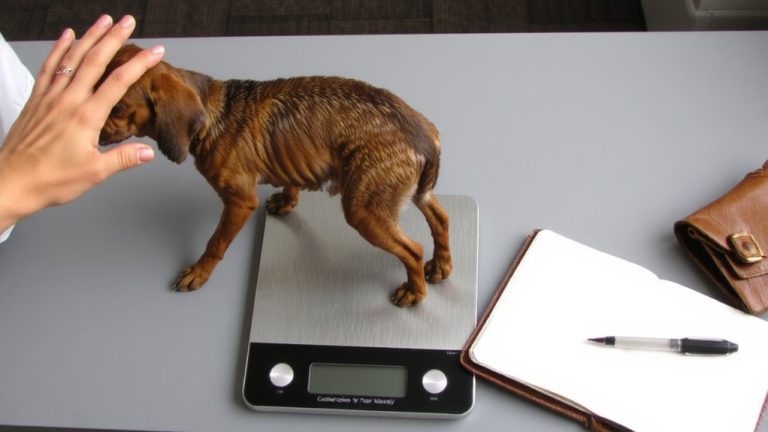
Catching shifts in your dog’s sleep can flag stress or health concerns, but improving those patterns starts with what you do while they’re awake. Regular exercise-like 30 to 60 minutes of walking or fetch daily-boosts deep sleep by up to 20% and supports better sleep efficiency. Pair that with mental workouts, such as 15–20 minutes of puzzle toys or training, to increase slow-wave sleep. On the diet side, a high-protein plan rich in tryptophan helps your dog produce melatonin, easing sleep onset and enhancing sleep quality. Avoid large meals 2–3 hours before bed to prevent digestive disruptions. Keep your dog at an ideal weight, especially if they’re a brachycephalic breed, since excess pounds can contribute to sleep apnea and reduced sleep continuity.
Strengthen Sleep Habits With Positive Reinforcement
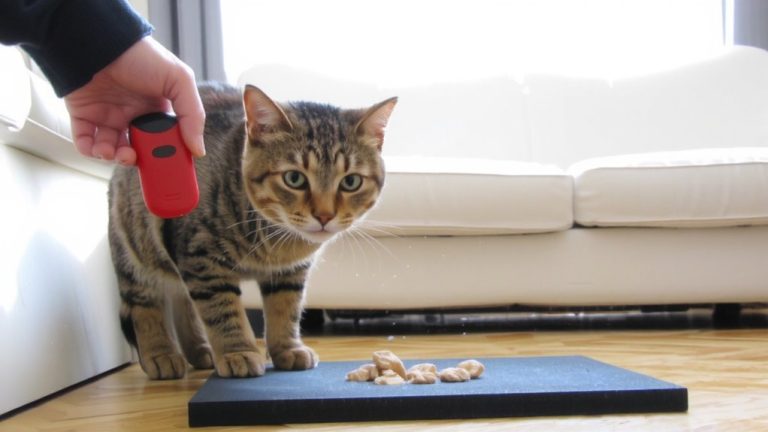
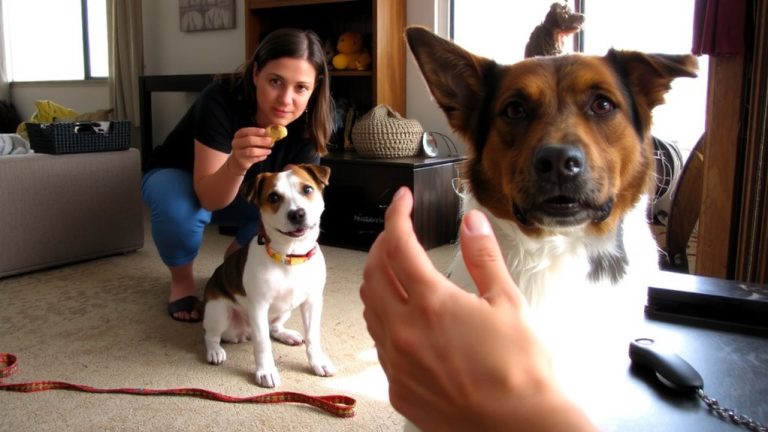
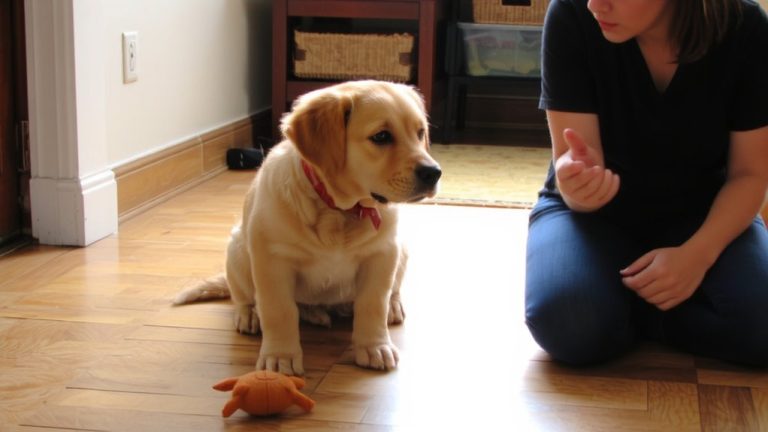
While your dog’s sleep quality depends heavily on daytime activity and nutrition, shaping their behavior around bedtime can make a meaningful difference in how well they rest. Use positive reinforcement to build strong sleep habits with your newly adopted dog. Reward them immediately with treats and praise when they enter or settle into their designated sleeping area. Pair gentle petting with calming verbal cues to reinforce safety and comfort. Offer high-value treats, like small pieces of chicken, when they lie down calmly before bed. Never force or scold-use clicker training to mark desired behaviors. Over time, track improvements using tools like the Fi Collar or Tractive GPS, which measure sleep duration and nighttime rest. Consistency with treats, praise, and cues helps your dog associate their bed with relaxation, leading to deeper, more consistent rest.
On a final note
You’ve got this. Stick to a consistent bedtime, aim for 12–14 hours of daily rest, and use a tracker like the FitBark 2 to monitor rest patterns. Provide a QuietTime Calming Bed in a low-traffic area, support sleep with Hill’s Science Diet Adult Sensitive Stomach, and add 30 minutes of daily walks. Reward calm behavior with Zuke’s Mini Naturals. Small, steady steps lead to big improvements in sleep, health, and trust.