The Ultimate Checklist for Bringing Home a Shelter Cat for the First Time
Set up a quiet safe room with a Frisco High Sided Cat Litter Box ($23) in one corner, stainless steel food and water bowls cleaned daily, and a blanket-covered box for hiding. Use a SturdiBag Pro 3.0 carrier ($120) for transport, then let your cat exit on their own time. Fill the litter box with unscented clumping litter like Dr. Elsey’s Ultra ($23 for 40 lbs), anchor a 32-inch Pioneer Pet scratching post, and maintain consistent feeding twice daily. Scoop once a day, interact calmly for 15–20 minutes, and track routines to support security-confidence signs mean you’re ready for the next step.
We are supported by our audience. When you purchase through links on our site, we may earn an affiliate commission, at no extra cost for you. Learn more. Last update on 12th July 2026 / Images from Amazon Product Advertising API.
Notable Insights
- Choose a quiet, low-traffic room as a safe space away from household activity.
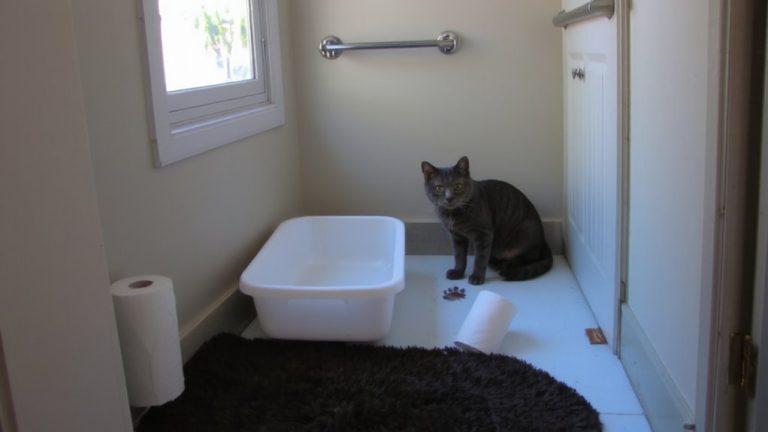
- Set up a high-sided litter box in a corner, away from food and water stations.
- Use stainless steel bowls for food and water, cleaned daily to maintain hygiene.
- Let the cat exit the carrier at their own pace to reduce stress upon arrival.
- Introduce new rooms gradually after consistent eating, litter use, and calm behavior.
Prepare a Safe Room for Your Rescue Cat
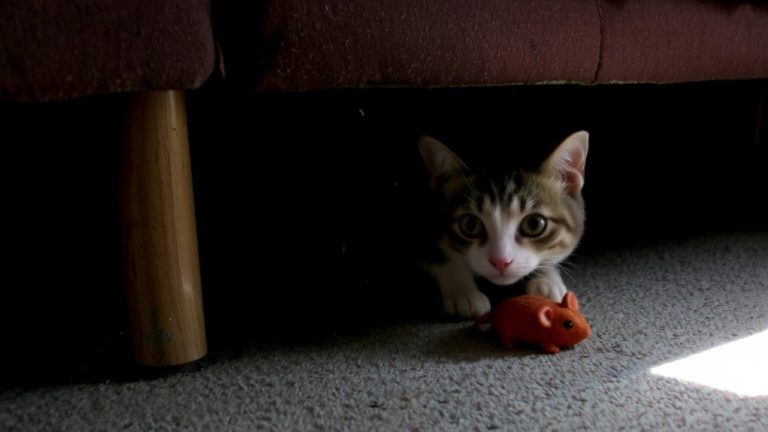
Start by picking a quiet room-like a spare bedroom or bathroom-where your new cat can settle in without too much noise or foot traffic. This quiet room becomes their safe space, reducing stress during the first few days. Place a Frisco High Sided Cat Litter Box, Extra Large ($23), in a corner away from food and water to maintain hygiene. Use stainless steel or ceramic bowls for food and water, cleaning them daily to prevent bacteria buildup. Add hiding spots-like a blanket-covered cardboard box-so your cat feels secure. Include the Pioneer Pet SmartCat Ultimate Scratching Post (32 inches tall, $50–$81) to support claw health and let them mark territory. When you bring them home, let them exit the cardboard carrier on their own time-never force it.
Gather Essential Supplies for a Stress-Free Start
A stress-free shift begins with the right gear, and your new rescue cat will depend on you to have everything ready before they arrive. Start with a durable, safe pet carrier like the SturdiBag Pro 3.0 ($120), featuring a flexible rod frame and machine-washable fabric, perfect for stress-free travel to your new home. Set up a large, high-sided litter box-try the Frisco Extra Large model ($23)-and fill it with unscented clumping litter such as Dr. Elsey’s Ultra ($23 for 40 lbs) to minimize mess and control odor. Use stainless steel bowls, like the PetFusion or AmazonBasics models ($10), for food and water to reduce bacteria and whisker fatigue. Anchor a tall, stable scratching post-such as the 32-inch Pioneer Pet SmartCat ($50–$81) with solid wood base-to support healthy claw habits and prevent furniture damage.
Establish a Calm Routine to Build Trust
While your new rescue cat may take time to adjust, sticking to a consistent routine can make all the difference in building trust and reducing stress during the change. A predictable routine helps your new cat feel comfortable, especially when you maintain consistent times for feeding, cleaning, and quiet interaction. Spend time near the safe room each day, letting your cat observe you without pressure. Keep a clean litter box-scoop daily, full clean every two weeks with mild soap. Use the table below to track key habits:
| Activity | Frequency | Purpose |
|---|---|---|
| Feeding | Twice daily | Support digestion, build trust |
| Litter box scoop | Once per day | Maintain hygiene, comfort |
| Quiet interaction | 15–20 mins, daily | Help your new cat relax |
A consistent, calm presence reinforces safety-wait until your cat feels comfortable before you gradually expand access.
Gradually Expand Your Rescue Cat’s Access
Once your rescue cat is eating regularly, using the litter box without hesitation, and showing calm body language-like slow blinks, relaxed ears, and gentle grooming-it’s time to let them explore beyond the safe room. Start to gradually expand access to new areas, introducing one room at a time. Let your rescue cat explore at their own pace while you supervise quietly to prevent stress. Bring familiar scents into new spaces with used bedding or scratched posts to boost confidence. Every new room should have essential resources: fresh water, a litter box, and hiding spots like cardboard boxes or covered beds. Wait 3–5 days between each expansion, watching for relaxed body language before continuing. Rushing can backfire-most cats need one to two weeks to earn full home access. Patience guarantees a smoother shift and long-term comfort.
On a final note
You’re set: a quiet room, litter box (18” x 14”), fresh water, and a protein-rich starter food like Purina Pro Plan True Nature help ease stress. Stick to small, scheduled meals, and use a Feliway diffuser to calm nerves. Spend 10–15 minutes daily sitting nearby, no pressure. Gradual access-adding one room weekly-builds confidence. Litter, feeding, and play stay consistent, preventing anxiety. Watch for steady eating, normal litter use, and slow blinks-they mean trust is forming.