How to Introduce a New Kitten to Nail Trimming Gradually
Start trimming your kitten’s nails between 6 and 8 weeks using small, sharp clippers designed for kittens. Handle each paw for just three seconds, then reward with high-value treats to build trust. Let your kitten sniff the clippers, and place treats on them to create positive associations. Only clip the white tip, staying 1–2 mm from the quick, especially in dark nails. Keep sessions under a minute, and you’ll see how simple consistent care can become. There’s more to mastering this routine smoothly.
We are supported by our audience. When you purchase through links on our site, we may earn an affiliate commission, at no extra cost for you. Learn more. Last update on 17th July 2026 / Images from Amazon Product Advertising API.
Notable Insights
- Start paw handling at 6–8 weeks by touching one paw for a count of three and rewarding with treats.
- Introduce clippers gradually, letting the kitten sniff them and associating them with high-value treats.
- Trim only the white tip of the nail, avoiding the pink quick to prevent pain and bleeding.
- Use sharp, kitten-safe clippers and limit sessions to one minute daily to build positive associations.
- Repeat handling every other day and reward calm behavior to build trust and routine.
Start Trimming Kitten Nails Early: From 6 to 8 Weeks
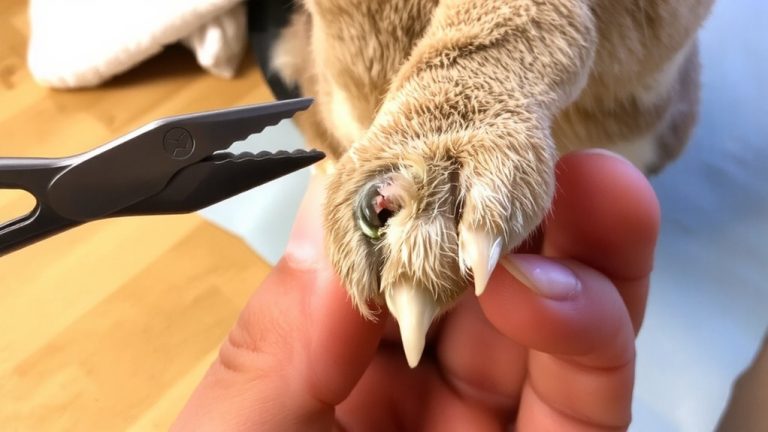
While your kitten’s paws may still look impossibly tiny, starting nail care between 6 and 8 weeks sets the foundation for a lifetime of stress-free trims. Begin by gently pressing each claw to expose the nail, watching for the pink part-the quick-so you avoid cutting into it. Focus only on the white part. Use small, sharp clippers made for kittens, and limit sessions to a few seconds per paw. Gently press one paw at a time, no longer than a count of three, then offer positive reinforcement with treats or cuddles. Repeat every other day, rotating paws until your kitten accepts handling all ten claws. Starting at 6 to 8 weeks means your kitten adapts quickly, making future nail trimming smoother. This early habit prevents overgrown claws and builds trust, keeping both you and your kitten calm during grooming.
Handle Paws Gently to Build Positive Associations
Getting your kitten used to nail handling starts with trust, not clippers. To help your kitten feel calm, handle paws gently from 6–8 weeks old, when cats are most open to new experiences. Begin by touching one paw for just a count of three, then massage each paw softly and reward good behavior with a high-value treat. This builds positive associations so your kitten gets used to being paws touched. Every other day, gently press the pad to extend the claw, then release and treat immediately. Rotate between all ten paws and toes so no area becomes a surprise. If your kitten pulls away, follow slowly-don’t force it-and retry at an easier step. Consistent, gentle sessions teach your cat to accept handling, making future care easier for both of you.
Let Your Kitten Sniff and Explore the Clippers
Start by letting your kitten take the lead with the clippers-this builds confidence and reduces stress. Let your kitten sniff and explore the nail trimmers, ideally after a meal when it’s calm. This early exposure helps your kitten link claw trimming with positive moments. Make sure one person handles the session to avoid overwhelming the kitten. Present the clippers calmly near cats paws, letting your kitten investigate at its own pace. Place a high-value treat on the closed nail trimmers to encourage interaction. Operate the trimmers nearby, using air cuts or clipping uncooked spaghetti to familiarize your kitten with the clicking sound. Repeat these short sessions daily, keeping them under a minute. Reward calm behavior every time. This routine builds trust, making regular nail trimming easier and safer for cat’s nails and claws long-term.
Clip Only the White Tip: Avoid the Quick
Since the quick contains nerves and blood vessels, you’ll want to clip only the white, translucent tip of your kitten’s claw to avoid pain and bleeding. The pink area inside the nail is called the quick, and cutting into it isn’t a good idea-it causes discomfort and makes future nail clipping harder. Always trim the white, leaving at least 1–2 mm before the quick. For dark cat nails where the quick isn’t visible, clip the white part in tiny 1 mm increments. If you’re unsure, it’s safer to trim less than one-third of the visible part of the claw.
| Part of Claw | What to Do | Why |
|---|---|---|
| White tip | Trim the white | Safe, pain-free |
| Pink area (called the quick) | Avoid | Contains blood vessels and nerves |
| Dark nail tip | Clip tiny parts | Quick not visible |
| Accidental cut | Use styptic powder | Stops bleeding fast |
On a final note
Start trimming your kitten’s nails early, between 6 to 8 weeks, using small, sharp clippers designed for cats. Gently handle their paws daily, letting them sniff the tool to build trust. Clip just the clear tip-avoid the pink quick-to prevent bleeding. Most kittens adapt quickly when you reward with treats and keep sessions short, calm, and positive every 10–14 days.