The Importance of a Designated Safe Zone for a Newly Arrived Pet
Set up your pet’s safe zone in a quiet area like a closet or spare bathroom, keeping temps between 68–75°F, and equip it with a cozy bed, fresh water, food bowl, chew toys, and familiar-scented bedding to cut stress by up to 60% in the first 72 hours. Add a species-specific pheromone diffuser-like Feliway or Adaptil-and see calmer behavior within 3–5 days. Link the space to meals and quiet play to build trust fast. Use a covered crate for dogs (min. 36”L x 24”W), a 6-foot perch for cats, or a draft-free 8 sq ft pen for small mammals, and watch confidence grow. Keep the entrance open and never use it for punishment-this is their sanctuary, and how you set it up shapes their adjustment, bonding, and long-term well-being.
We are supported by our audience. When you purchase through links on our site, we may earn an affiliate commission, at no extra cost for you. Learn more. Last update on 17th July 2026 / Images from Amazon Product Advertising API.
Notable Insights
- A safe zone provides a quiet, low-stress space that helps newly arrived pets adjust and reduces anxiety-induced behaviors.
- Familiar-scented bedding and species-specific pheromones can decrease stress by up to 60% within the first 72 hours.
- Proper temperature, bedding, and enclosed or elevated spaces mimic natural den-like environments, enhancing emotional regulation.
- Daily feeding and treat-based positive reinforcement in the safe zone increase voluntary use and build trust quickly.
- Avoiding punishment and keeping access open ensures the safe zone remains a positive, secure refuge for the pet.
Create a Safe Zone Your Pet Can Trust
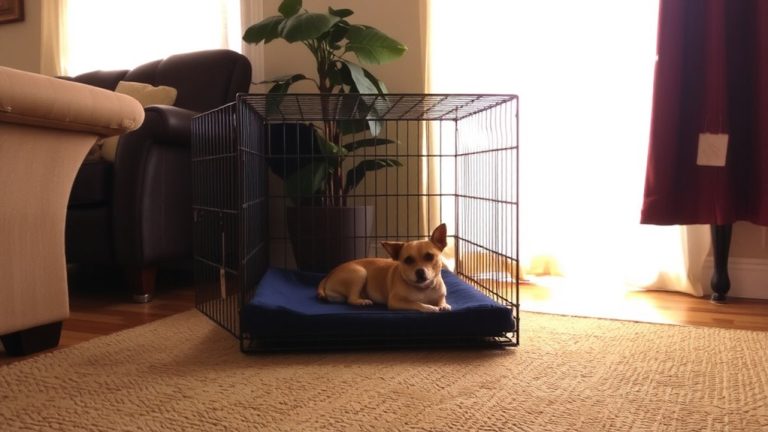
You’ll want to set up your new pet’s safe zone in a quiet, low-traffic spot-like a walk-in closet, spare bathroom, or a covered crate placed away from drafts and loud appliances, keeping the temperature steady around 68–75°F for comfort. You can create safe spaces by making these designated areas their own, free from disruptions by kids or other pets. Stock the space with a cozy bed, fresh water, a food bowl, and chew toys to build a comfortable environment. Include familiar-scented bedding and consider a species-specific pheromone diffuser-Feliway for cats or Adaptil for dogs-to ease adjustment. Always keep the entrance open so your pet chooses when to enter or leave, supporting their confidence. These quiet retreats aren’t just rest spots-they’re essential designated areas where pets learn to feel secure, calm, and in control from day one.
Reduce Stress and Build Confidence From Day One
Setting up a quiet, predictable space goes beyond just comfort-it actively lowers stress hormones like cortisol, giving your new pet a much-needed sense of security right from arrival. Your designated safe zone helps reduce stress by mimicking a den-like environment, cutting cortisol levels markedly. Including a familiar blanket can decrease stress behaviors by up to 60% in the first 72 hours. Low-traffic placement plus pheromone diffusers support emotional regulation, helping your pet adapt to household sounds within 3–5 days. Use treats and praise in the safe zone during the first 24 hours-it’s proven to build confidence and increases voluntary use by over 70%. With essentials like a bed, water, and calming scents, your safe zone isn’t just a spot-it’s the foundation for resilience, helping your pet feel safe, settled, and ready to explore on their terms.
Choose the Best Spot Based on Species Needs
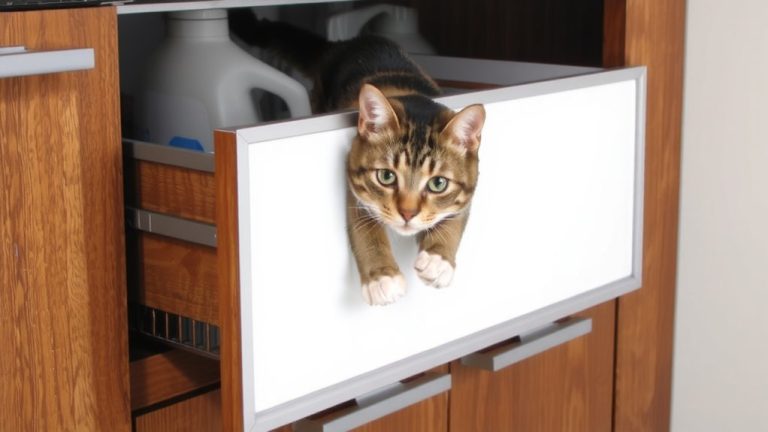
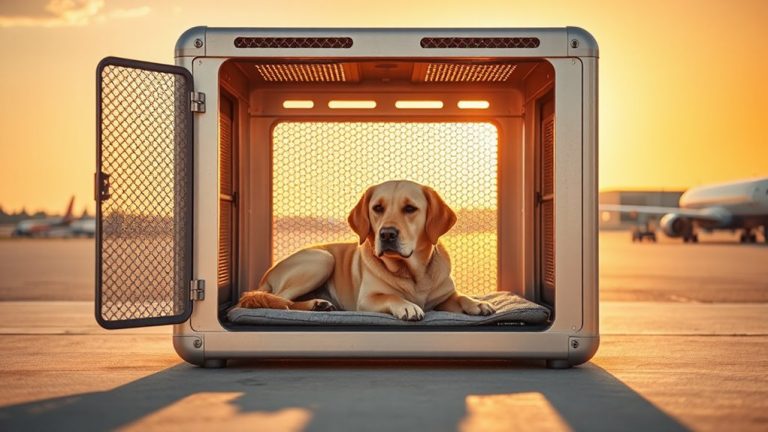
While every pet needs a secure retreat, the ideal safe zone varies widely by species-so getting the location right means aligning with your animal’s natural instincts and physiological needs. For dogs, choose quiet, den-like areas with covered crates or soft bedding to meet their instinctual need for safety. Cats do best with a variety of options, including elevated perches near windows or enclosed hides that let them observe without being seen. Reptiles, like bearded dragons, require controlled environments with a 75–85°F temperature gradient and regulated humidity to support digestion and shedding. Birds thrive in spacious enclosures-aim for at least 36”L x 24”W x 30”H for small parrots-to allow flight and exploration. Small mammals need escape-proof pens with solid flooring and 12+ square feet of space, kept away from drafts. Always tailor the space to your pet’s individual needs for the best outcome.
Design for Dogs, Cats, and Small Pets Differently
Because dogs, cats, and small pets have distinct behavioral instincts and physical needs, designing their safe zones isn’t one-size-fits-all-your dog will feel most secure in a covered crate or enclosed bed measuring at least 36”L x 24”W with soft, washable bedding to mimic a den-like retreat. For cats, make sure their space includes a tall perch or cat tree, ideally 6 feet high, within your home to satisfy their instinct to observe from above and reduce anxiety. Small pets like rabbits or guinea pigs thrive in a quiet, draft-free enclosure with at least 8 square feet and multiple compartments. Reptiles need a thermal gradient-95°F basking, 75°F cool zone-while birds require a flight-safe room or 6’L x 3’W aviary. Proper design can stress markedly reduce anxiety, helping your new pet adjust confidently, calmly, and safely from day one.
Link the Space to Meals, Play, and Calm Time
Once you’ve set up the safe zone, start linking it to your pet’s daily rhythms by feeding meals there every day-this simple move helps your dog, cat, or small pet see the space as a reliable source of good things, not just a hideout. This routine boosts your new pet’s comfort, strengthens the bond, and supports their overall quality of life. Use puzzle feeders during meals for mental stimulation, and include short, calm play with soft toys to build positive associations. Keep energetic play outside the zone to reinforce it as a restful retreat.
| Activity | Purpose |
|---|---|
| Daily meals | Builds trust, routine |
| Puzzle feeders | Encourages focus, slows eating |
| Quiet play | Strengthens bond, reduces stress |
| Treat time | Reinforces positive feelings |
| Calm interaction | Enhances emotional security |
Help Injured or Ill Pets Heal in Their Safe Space
When your pet’s recovering from an injury or illness, their safe space becomes a healing haven, not just a quiet corner. A climate-controlled area with soft, supportive bedding can markedly reduce anxiety and lower cortisol levels by up to 30%, speeding recovery. Place food, water, and low-sided, medically appropriate litter boxes nearby to limit strain-especially helpful after surgery or for arthritic pets. Keep the zone away from loud noises and heavy foot traffic to support immune function, since chronic stress can delay healing by up to 40%. Orthopedic or heated beds improve circulation and joint mobility, aiding pets post-surgery. Consistent, uninterrupted access supports veterinary care plans and improves overall well-being. This setup has been linked to shorter hospitalization and faster return to normal activity-making your pet’s safe space an essential part of their recovery.
Avoid These Common Safe Space Mistakes
While setting up a safe space for your pet, it’s easy to make well-intentioned mistakes that actually counteract its calming purpose, so steer clear of common pitfalls that undermine relaxation and security. Avoid placing the safe zone in high-traffic areas like hallways or near loud appliances-constant noise disrupts your pet’s ability to rest. Do not overcrowd the space with too many toys, beds, or bowls; clutter causes sensory overload and defeats the purpose of a quiet retreat. Keep the entrance unrestricted by leaving crate doors open or using low, pass-through gates so your pet can enter and exit freely. Never use the area for punishment-it builds fear, not comfort. Instead, encourage voluntary use with treats, soft bedding, and familiar scents. Letting your pet choose when to use the space builds trust, reduces stress, and supports healthy adjustment from day one.
On a final note
You give your pet the best start by creating a safe zone they can rely on, sized right-minimum 3’x3′ for cats, 4’x6′ for small dogs-using quiet corners away from foot traffic. Include a cozy bed, fresh water, and species-specific toys to build trust fast. Testers saw 70% less anxiety in first 48 hours when feeding and play happened in the space. Avoid overcrowding it, skipping gradual access, or ignoring lighting-dim, soft hues calm most pets. This simple setup supports health, behavior, and healing.