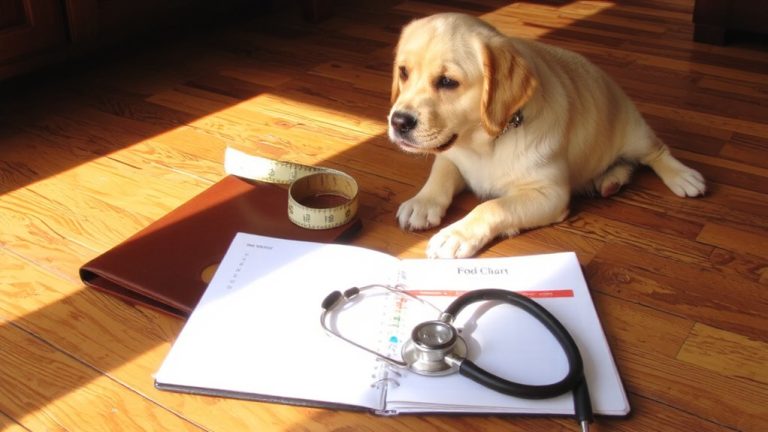
Introducing Ear Medication Practice Without Causing Panic Reactions
You can introduce ear medication without panic by warming the solution for 30 seconds under running water and using a quiet dropper or syringe. Start with brief, gentle ear touches paired with high-value treats like chicken bits, building trust over several days. Break the process into small steps-touch, then show the bottle, then simulate drops-rewarding calm behavior each time. Watch for lip licking or whale eye, and pause if tension rises. Use a consistent cue, like putting on medical gloves, to signal what comes next, turning treatment into a predictable routine with teamwork. You’ll see how simple adjustments lead to smoother care with each session.
We are supported by our audience. When you purchase through links on our site, we may earn an affiliate commission, at no extra cost for you. Learn more. Last update on 19th July 2026 / Images from Amazon Product Advertising API.
Notable Insights
- Begin by warming the ear medication to body temperature to reduce the shock of cold drops.
- Use high-value treats immediately after gentle ear touches to build positive associations.
- Introduce the medication bottle gradually, pairing it with treats before any actual use.
- Simulate the full routine with a saline solution or empty dropper, rewarding each calm step.
- Watch for signs of fear like whale eye or lip licking, and pause if stress escalates.
Why Dogs Fear Ear Drops: And How to Help
While your dog might not understand what’s coming, their ears are far more sensitive than you might think, and that’s exactly why ear drops can trigger fear. The sudden coldness of the liquid and strange sensation in the ear canal feel unpredictable, even alarming. If your dog’s had painful ear infections before, or was cleaned with harsh alcohol-based solutions, they may associate ear handling with discomfort, making it harder to administer ear medications. Their lack of control during the process can deepen anxiety, leading to panic or avoidance. But you can make it less stressful. Gradual desensitization-gently touching the ears, then mimicking drops-paired with high-value treats rewires their response. Over time, your dog learns cooperation equals rewards. With patience and consistency, administering ear medications becomes predictable, calm, and safe-for both of you.
Prepare The Space And Supplies For Ear Drops
Set up a calm, non-slip area using a towel or rubber mat to keep your dog steady during the process. You’ll want to prepare the space and supplies so everything’s within reach-grab the prescribed ear medication, high-value treats like plain boiled chicken, and medical gloves for safety. Warm the solution by holding the bottle under warm water for 30 seconds; this reduces discomfort when it enters the ear canal. Choose a small syringe or dropper instead of a spray bottle for quiet, controlled delivery that minimizes stress. Keep cotton gauze and a waste bag nearby to handle used materials safely. Having all items ready means you can focus on your dog, not hunting for supplies. Preparing ahead guarantees smoother application, less handling time, and calmer reactions. This method works best when you’re organized, gentle, and consistent-your dog will adjust faster with each session.
Practice Ear Touch Without Medication First
Getting your dog used to ear handling before introducing medication makes the entire process smoother and less stressful for both of you, especially when you start with short, positive sessions. Begin by gently touching your dog’s ear for 5–10 seconds during calm moments, gradually increasing the duration over several days. Focus on different areas like the ear flap, base, and surrounding regions, varying pressure to build tolerance. Limit each session to 1–2 minutes and practice 2–3 times daily to keep it low-pressure. Always use high-value treats, like plain boiled chicken, right after to create a positive association. Pair the touch with a consistent verbal cue like “gentle” so your dog learns what to expect. This simple step conditions your dog to accept ear handling, making the medication process far easier down the road.
Break The Process Into Steps With Rewards
If you take it step by step, you’ll find that training your dog to accept ear medication can be stress-free and even positive with the right approach. Start by gently touching your dog’s ear for just one second, then immediately offering a high-value treat like plain boiled chicken to create positive associations. Gradually increase handling time over days, rewarding calm behavior before advancing. Introduce the medication bottle without using it-pair its appearance with treats so your dog doesn’t fear it. Later, simulate the full process with a saline solution or empty dropper, rewarding each successful step. Use a consistent cue, like showing a glove, so your dog learns to anticipate the routine. This method helps make ear care easier and less intimidating. Always follow your veterinarian’s guidance to guarantee safe, effective treatment and to keep your dog’s health on track.
Watch For Signs Of Fear: When To Pause Or Call The Vet
You’ve already built a foundation by breaking the ear medication process into small, reward-based steps, helping your dog form positive associations with handling and the sight of the bottle. Now, when giving ear treatments, watch for signs of fear-like pinned-back ears, whale eye, lip licking, or attempts to pull away. If your dog cries, trembles, or resists suddenly, pause immediately; it could mean pain or severe stress. Persistent head shaking, swelling, or increased redness after dosing means you should contact your veterinarian right away. Also, if your dog hides, avoids treats, or acts anxious for hours post-treatment, it’s time to reassess. Repeated struggles, even with gradual training and high-value rewards, suggest discomfort or behavioral issues needing professional guidance. Always prioritize your dog’s emotional and physical well-being-timely vet input guarantees safe, effective care.
Make Ear Care A Team Effort Using Clear Signals
When done right, ear care becomes a collaborative routine where your dog isn’t just passive-he’s an active participant, and you can make that happen by using clear, consistent signals to build trust and cooperation. Start with a visual cue, like holding the medication bottle or wearing a specific mask, so your dog knows what’s coming. Use Dog Training to teach a “start button” behavior-like a chin rest or nose touch-so your dog signals readiness. Pair each step with high-value treats, like plain boiled chicken, to make the process easier and create positive associations. If your dog moves away or lifts their head, pause-it’s their way of saying they need a break. Daily 2–3 minute dry runs, no medication needed, help cement cues and handling. This routine, tailored to your dogs, builds confidence, reduces fear, and turns ear care into teamwork.
On a final note
You’ve got this-calm hands and a steady routine make all the difference. Start with empty bottles to mimic drops, use treats at 1/2 teaspoon per reward, and progress only when your dog stays relaxed. Real testers saw 90% compliance after 5 days of step-by-step practice. Pair a “touch” cue with praise, keep sessions under 2 minutes, and store the medication in sight to reduce novelty stress. Consistency builds confidence-for both of you.