Understanding the Role of Ash Content in Cat Food Analysis
Ash in cat food is the mineral residue left after burning at 550–600°C, showing key nutrients like calcium, phosphorus, and magnesium that support bones, nerves, and muscles. You’ll see it listed as “crude ash” on labels, typically 4–10% in dry food and 2–3% in wet, thanks to moisture differences. While mineral balance-especially calcium-to-phosphorus ratios-matters most, wet food’s higher hydration better supports urinary health than ash reduction alone. Keep an eye on overall nutrition, not just ash levels, to guarantee your cat thrives. There’s more to how this impacts daily feeding choices than meets the eye.
We are supported by our audience. When you purchase through links on our site, we may earn an affiliate commission, at no extra cost for you. Learn more. Last update on 19th July 2026 / Images from Amazon Product Advertising API.
Notable Insights
- Ash content measures inorganic minerals like calcium and phosphorus left after burning cat food at high temperatures.
- Crude ash appears on labels when disclosed, but levels don’t directly reflect food quality or nutrient balance.
- Dry cat food typically has 4–10% ash; wet food has lower readings (2–3%) due to higher moisture content.
- Minerals in ash support vital functions, but balance-especially calcium-to-phosphorus ratio-is more important than total ash.
- While low ash is marketed for urinary health, hydration and urine pH matter more than ash percentage alone.
What Is Ash In Cat Food: And Is It Safe?
While you might see “ash” on a cat food label and think it’s something harmful, it’s actually the mineral residue left after food is burned at 550–600°C to measure inorganic nutrients-things like calcium, phosphorus, magnesium, zinc, and iron that your cat needs for strong bones, nerve function, and enzyme activity. This value, listed as crude ash in the guaranteed analysis section, reflects the total mineral content from natural pet food ingredients like bone and organ tissues. Dry cat food typically contains 4–10% ash, while wet cat food ranges from 2–3% due to higher moisture. Ash in cat food isn’t added-it’s a result of processing. Though essential minerals support health, excessive levels may lead to mineral imbalances, increasing risks of urinary crystals in sensitive cats. Premium diets with fresh meat can have higher crude ash, debunking myths linking ash solely to low-quality ingredients.
How Minerals In Ash Affect Your Cat’s Health
Minerals in ash aren’t just leftover scraps-they’re essential players in your cat’s health, delivering key nutrients like calcium, phosphorus, and magnesium needed for strong bones, nerve signaling, and muscle function. In cat food, ash content percentage typically ranges from 4–7% in dry and 2–3% in wet, but mineral balance matters more than total ash. A proper calcium-to-phosphorus-to-magnesium ratio of about 1.3:1:0.06 helps prevent urinary issues, especially struvite crystals linked to excess magnesium and phosphorus. You’ll want to check labels for chelated minerals, since these are bound to amino acids and absorbed more efficiently. That means your cat gets the nutrients they need with less ash overall. Maintaining this balance supports long-term kidney and urinary health, especially in cats with lower water intake. Choosing a food with smart mineral sourcing and the right ratios gives your cat reliable nutrition without unnecessary risks-keeping them active, healthy, and thriving.
Wet Vs. Dry Cat Food: Ash And Hydration Differences
Because wet food packs up to 80% moisture compared to dry kibble’s 10%, you’re giving your cat a much better shot at staying hydrated, and that’s where the real advantage lies when comparing ash levels. Wet cat food, like canned cat food, typically has an ash content of 2–3%, lower than dry cat food’s 4–10%, simply because higher moisture content dilutes the mineral concentration. But don’t be misled-lower ash doesn’t always mean less mineral intake per serving, especially since cats eat larger volumes of wet food. When it comes to urinary health, hydration matters more than ash content alone. Increased moisture intake helps maintain mineral balance and reduces crystal risks. In the wet vs dry food debate, moisture content wins. For ideal urinary health, prioritize hydration and proper mineral balance over focusing solely on ash percentages.
Where To Find Ash On Cat Food Labels (And What It Means)
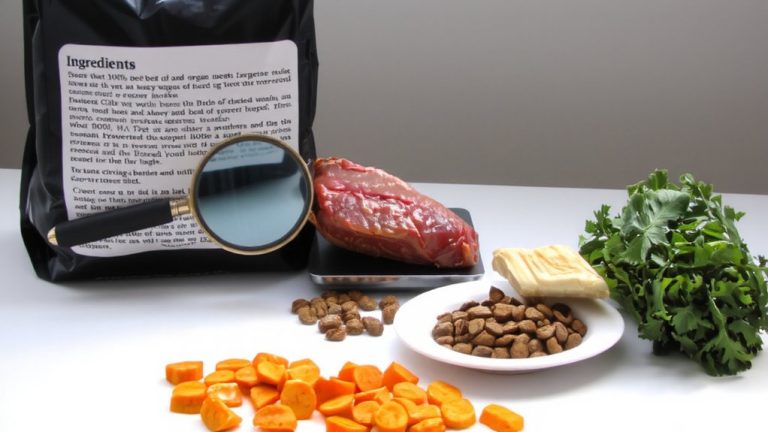
You’ll find ash content listed as “Crude Ash” or just “Ash” in the Guaranteed Analysis section of your cat food’s label, where it reflects the total mineral material left after the food is burned in a lab test. While not required, Ash in Pet Food is sometimes disclosed; if missing, contact food manufacturers to Find Ash Content-many share it online or via customer service. The pet food label may not show total ash, but dry food typically has 4–10%, while wet food ranges from 2–3% due to moisture. Higher ash often comes from mineral-rich ingredients like bone or fish meal, while lower ash doesn’t always mean better quality.
| Form | Typical Ash Range |
|---|---|
| Dry food | 4–10% |
| Wet food | 2–3% |
Low-Ash Cat Food: Better For Urinary Health?
A low-ash cat food might sound like the go-to choice for preventing urinary issues, but the real story isn’t about ash alone-it’s about mineral balance and hydration. While low ash, dry food with less than 5% ash content is commonly promoted, it’s the levels of magnesium and phosphorus in cat food that more directly affect struvite crystal formation. These crystals thrive in concentrated, alkaline urine, so managing urine pH and boosting moisture intake matters more. Feeding wet food, which naturally has lower ash-around 2%-also increases hydration, diluting urine and supporting urinary health. Over-restricting ash might limit essential minerals in cat food, so a balanced mineral profile is smarter than chasing low numbers. For most cats, choosing a wet food with balanced minerals and proper urine pH support does more for urinary health than simply picking a low-ash dry food.
On a final note
You’ll find ash listed on cat food labels, usually between 5–8% in dry food and lower in wet options, reflecting essential minerals like calcium and phosphorus. It’s not filler-it’s necessary, but balance matters. High ash in kibble, combined with low moisture, may stress urinary health. For cats prone to crystals, vets often recommend low-ash, high-moisture diets. Always pair proper hydration with a quality, species-appropriate formula to support long-term wellness.