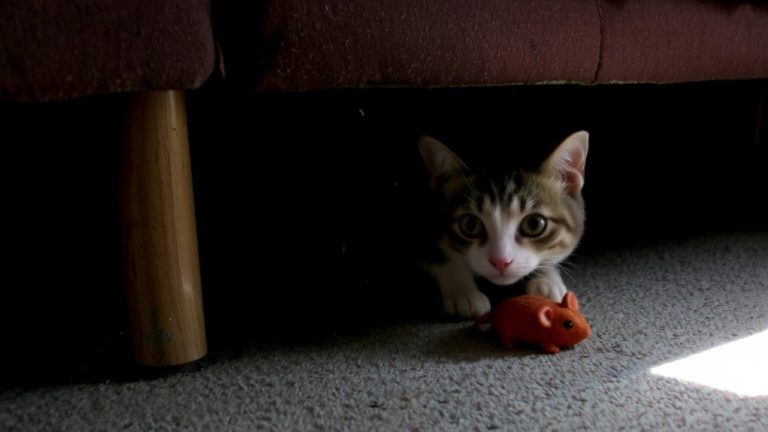
How to Puppy-Proof Every Room in Your House: Room-by-Room Guide
Secure your kitchen with child-proof latches on cabinets and trash cans, store chocolate, xylitol gum, and ibuprofen out of reach-just 0.1g xylitol per kg can cause hypoglycemia. Use cord covers like Micro Shields® in the living room, anchor plants, and stow shoes. Lock meds in bedrooms, baby-proof toilets and cleaners in bathrooms, and store antifreeze (a teaspoon is deadly) in locked garage cabinets. Create a safe zone with a crate, playpen, and potty area 10+ feet from food-every detail shapes a healthier, accident-free routine.
We are supported by our audience. When you purchase through links on our site, we may earn an affiliate commission, at no extra cost for you. Learn more. Last update on 19th July 2026 / Images from Amazon Product Advertising API.
Notable Insights
- Install child-proof latches on lower cabinets and secure trash cans to prevent access to toxins and harmful materials.
- Keep countertops clear and store toxic foods like chocolate and xylitol in locked, elevated cabinets.
- Protect electrical cords with covers and secure power strips to prevent chewing and electrical shock.
- Anchor or remove toxic plants, and use baby gates to restrict access to unsafe areas like bedrooms.
- Store garage chemicals and yard toxins in locked cabinets, and create a fenced puppy-safe zone indoors.
Puppy-Proof the Kitchen: Secure Trash, Cleaners, and Toxic Foods
Trash cans, cleaners, and snack cabinets-three everyday kitchen staples that can quickly become puppy hazards. You need secure trash cans-use child-proof latches or store them in locked cabinets to block access to bones and wrappers. Install child-proof latches on lower cabinets to keep cleaning supplies out of reach; they cause over 10% of pet poisoning cases. Store toxic foods like chocolate, grapes, and xylitol-sweetened gum in elevated storage or locked cabinets-just 0.1 grams of xylitol per kilo of body weight can trigger life-threatening hypoglycemia. Keep counters clear; puppies jump up to 3 feet. Dispose of grease, bones, and packaging in sealed bins to prevent accidental poisoning and pancreatitis. Use sealed bins with tight-fitting lids, and opt for elevated storage whenever possible. These steps stop messes before they start, giving your pup a safer space to explore while you cook, clean, and relax.
Puppy-Proof the Living Room: Hide Cords and Remove Choking Hazards
You’ve secured the kitchen, but the living room holds its own hidden dangers that can catch even the most attentive pet parent off guard. Your puppy can chew through electrical cords in seconds, risking shock or burns-use cord covers or tape them flat to baseboards. For a sleek fix, invest in cord concealers like Micro Shields® ($175), which testers say stop chewing long-term. Secure loose power strips behind furniture to prevent access. Remove small objects like coins, batteries, and hair ties; these choking hazards are easy to miss on the floor. Store shoes, socks, and kids’ toys in closed cabinets to deter destructive chewing. Anchor toxic plants like lilies or pothos out of reach. While you’re at it, secure lids on lower cabinets-curious puppies will nose them open. A little prep now prevents emergency vet visits later.
Safeguard the Bedroom: Store Medications and Prevent Falls
A locked drawer or cabinet keeps medications safely out of reach, because even a single 200 mg ibuprofen tablet can cause kidney failure in a 15-pound puppy. Store all pills, supplements, and skincare products in locked cabinets or high shelves to prevent the puppy from getting into them. Make sure jewelry, hair ties, and small accessories are behind closed doors or in secured containers-ingestion can cause choking or blockages. Use baby gates to block access to the bedroom when unsupervised. Install childproof latches on closets and dressers to keep curious paws out. Secure window screens or use adjustable guards to prevent falls, especially on upper floors. Keep floors clear by storing clothes and shoes in closed bins. Always make sure personal items stay behind closed doors. These steps help prevent them from getting into trouble and keep your space safe, simple, and puppy-proof.
Seal the Bathroom: Close Toilets and Secure Toiletries
Now that you’ve secured the bedroom, turn your attention to the bathroom-a small space packed with serious risks for a curious puppy. Always keep toilet lids closed; the water may contain cleaning chemicals that, even in small amounts, can cause vomiting, diarrhea, or worse. Store medications out of reach in high, locked cabinets-pills can be deadly, even in tiny doses. Secure cosmetics, razors, and dental floss in drawers with baby locks; ingested floss can cause intestinal blockages, while razors may lead to internal cuts. Use baby locks on low cabinets to block access to cleaning supplies like bleach or ammonia-based products, which are highly toxic. Swap to pet-safe cleaning products to minimize risks from surface residue your puppy might lick. These simple steps keep everyday bathroom items from becoming emergencies.
Secure Garage and Yard: Block Toxins and Escape Routes
Because the garage and yard often double as storage for potent chemicals and potential escape routes, taking proactive steps to secure these areas is essential for your puppy’s safety. You must store harmful chemicals like antifreeze-just 1 teaspoon of ethylene glycol can be fatal to a 10-pound puppy-in locked cabinets, keeping them stored securely. Pesticides, fertilizers, and rodent baits should sit in elevated, child-proof containers to block access. Remove plants toxic to dogs, such as lilies and sago palms, since 2–3 leaves can cause organ failure. Inspect the fence around your yard monthly; it should be at least 6 feet high to block escape routes. Give special attention to weak spots from digging or climbing. Install a self-closing, self-latching pool safety fence to reduce drowning risks. Securing your garage and yard isn’t optional-it’s a fundamental step in responsible puppy care.
Create a Puppy-Safe Zone: Use Crates, Gates, and Routines
You’ve secured the garage and yard to keep your puppy safe from toxins and escape attempts, but protection doesn’t stop at the back door-your home’s interior needs just as much careful planning. Create a puppy-safe zone using baby gates or playpens to block off a quiet area, keeping your pup supervised and away from hazards. Place a crate in a family room with a washable blanket and safe chew toy, giving your puppy a den-like retreat. Combine Micro Shields® Solution ($175.00) with x-pens and gates to reinforce boundaries and deter escape attempts. Set up a potty station with pee pads at least 10 feet from food and sleep areas. Use consistent routines and a Manners Obedience Training Consultation ($99.00) to build good behavior early. With crates, gates, and daily structure, your puppy learns faster, stays safer, and adjusts with confidence.
Puppy-Proof Smart: Rotate Toys, Manage Chewing, and Train Consistently
While puppies explore the world with their mouths, you can steer that instinct in the right direction by rotating 2–3 durable toys every day to keep things fresh and prevent boredom-related chewing. Use textured rubber or rope toys designed for heavy chewers, and stuff KONGs with frozen, xylitol-free peanut butter to soothe teething pain. Redirect your pup immediately when they go for cords, small items, or sharp objects-curious paws and noses seek potential hazards. Train consistently using positive reinforcement to replace bad habits with good ones. Expert-backed methods, like those in the $99.00 Manners Obedience Training Consultation, help maintain progress.
| Toy Type | Purpose | Safe For |
|---|---|---|
| Rubber KONG | Chew, teething | Heavy chewers |
| Rope tug | Play, training | Supervised use |
| Plush (with squeaker) | Engagement | Non-destructive pups |
On a final note
You’ve got this-secure cabinets with 3M Command Hooks, use Nylabone chews to redirect gnawing, and stick to scheduled feedings with measured kibble portions. Tester pups stayed safer and calmer with rotating KONG toys filled with peanut butter, frozen for longer play. Consistent routines, baby gates at doorways, and outlet covers mean fewer surprises. Clean up spills fast, block stove knobs, and keep toilets shut-simple steps that prevent accidents and build good habits fast.