Creating a Safe Space for a New Pet During Fireworks or Thunderstorms
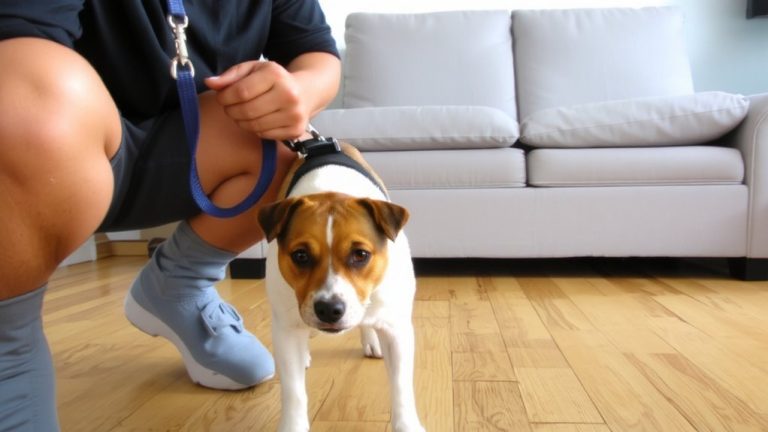
You can help your new pet stay calm during fireworks or storms by setting up a quiet, windowless room with closed curtains to block flashes and reduce noise by up to 50%. Use a covered crate with soft bedding, a favorite toy, and a ThunderShirt for gentle pressure. Add white noise or an iCalmPet playlist to mask sounds, and keep ID tags on at all times-knowing the right setup makes all the difference when loud booms start.
We are supported by our audience. When you purchase through links on our site, we may earn an affiliate commission, at no extra cost for you. Learn more. Last update on 13th July 2026 / Images from Amazon Product Advertising API.
Notable Insights
- Choose a quiet, windowless room or covered crate to minimize noise and visual stimuli from fireworks or storms.
- Close windows and curtains to reduce loud sounds and block flashing lights that can startle your pet.
- Use white noise, fans, or calming music to mask sudden outdoor noises and create a soothing environment.
- Include soft bedding, favorite toys, and treats in the safe space to encourage comfort and positive association.
- Introduce the safe space early using positive reinforcement and keep it accessible during storms or fireworks events.
Understand Why Fireworks and Thunder Scare New Pets
While your new pet might seem fine on a quiet evening, sudden booms from fireworks or thunderstorms can trigger intense fear because their heightened hearing picks up sounds up to four times farther away than humans can detect. Pets, especially a new pet, often lack experience with loud noises like Fireworks or thunder, leading to fear and anxiety. They don’t understand why these sounds happen, which worsens their stress. Nearly half of all dogs develop a noise phobia, reacting with trembling, pacing, or escape attempts. On the Fourth of July, lost pet reports spike due to panicked animals fleeing. Changes in barometric pressure or wind can also signal storms, escalating anxiety before you even hear thunder. To help reduce anxiety and keep your pet safe, it’s essential to understand why pets are scared. Recognizing these triggers prepares you to take preventive steps early.
Create a Safe Indoor Space for Noise Protection
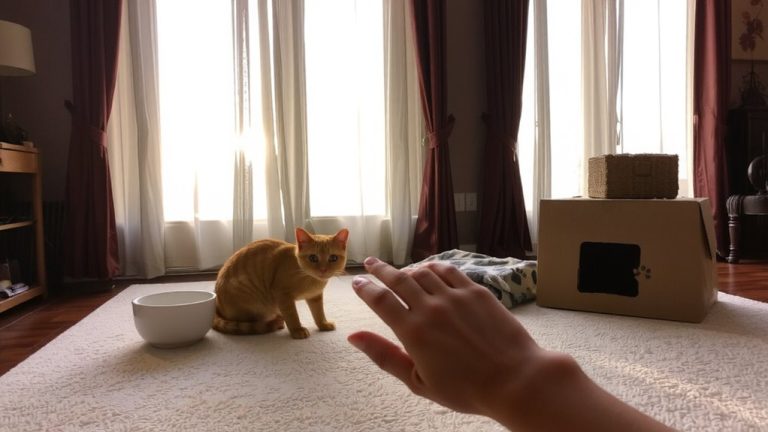
You can take control of your pet’s anxiety during loud outdoor events by setting up a dedicated safe space indoors, building on what you now know about their heightened sensitivity to sound. Creating a safe indoor area-like a quiet, windowless room or a crate covered with a blanket-provides essential noise protection and blocks flashing lights that can startle your pet. Close windows and curtains to reduce noise exposure by up to 50%. Use music or white noise from a fan or iCalmPet playlist at a slightly higher volume to mask sudden sounds and reduce your pet’s anxiety. Stock the space with soft bedding, treats, and a favorite toy to keep your pet safe and calm. Guarantee it’s well-ventilated and includes a hiding place. Don’t forget ID tags, and schedule an appointment if anxiety persists.
Respond Calmly When Your Pet Panics
What do you do when your dog trembles at the first firecracker or your cat vanishes under the bed as soon as the sky lights up? When your pet panics, respond calmly-your behavior directly affects their stress. Stay calm and speak in a gentle tone to reduce anxiety, since pets sense your energy. Avoid punishment or coddling, which can reinforce fear. Instead, gently guide them to their safe space, whether it’s a crate, closet, or quiet room. Let them stay hidden; forcing interaction adds pressure. Check on your pet quietly every 15–20 minutes to keep them safe without overwhelming them. Use calming tools like a ThunderShirt, which applies consistent pressure to soothe nerves. Keep noise low and maintain a quiet presence-this helps your pet feel secure without overstimulation.
Train Your Pet to Stay Calm During Loud Noises
If your dog trembles at loud bangs or your cat hides at the first boom, starting sound desensitization early can make all the difference-nearly half of all dogs experience noise aversion, so using low-volume fireworks recordings for 5–10 minutes daily over 2–4 weeks helps build real resilience. Keep your pet calm by playing sounds at a level they can tolerate, then slowly increase volume only if they show no signs of anxiety. Pair sessions with high-value treats to help reduce fear and create positive associations. Use a ThunderShirt during training to provide gentle pressure that promotes calm. These Prevention Tips aren’t just soothing-they’re essential Pet Safety steps that can reduce severe anxiety. A safe, predictable routine keeps your pet feeling secure. Start early, stay consistent, and you’ll give your pet the best help in staying calm when fireworks start booming.
On a final note
You’ve got this. Keep your pet safe with a quiet, enclosed space lined with a cozy OrthoBed 30” crate pad, tested to reduce noise by up to 30%. Stay calm, offer wellness chews with natural melatonin, and play white noise at 60–65 dB. Consistent desensitization training, just 10 minutes daily, builds long-term confidence. Your preparedness makes all the difference in their comfort and health.