How to Choose a Food That Supports Dental Wear in Puppies
Start with an AAFCO-approved puppy food that lists real meat first and skips high-starch fillers like peas or lentils, which fuel plaque. Choose kibble sized and shaped to encourage chewing, helping scrub teeth with every bite. Look for added sodium hexametaphosphate or dental enzymes to fight tartar, plus omega-3s and vitamins E and C for gum health. Pair with daily brushing and vet-approved chews, and you’ll set strong oral habits early-there’s even more to optimize as your pup grows.
We are supported by our audience. When you purchase through links on our site, we may earn an affiliate commission, at no extra cost for you. Learn more. Last update on 16th July 2026 / Images from Amazon Product Advertising API.
Notable Insights
- Choose AAFCO-approved puppy food with real meat as the first ingredient to support healthy jaw and tooth development.
- Select kibble designed for dental wear, with a shape and size that encourages chewing and reduces plaque buildup.
- Avoid high-starch ingredients like peas, lentils, and sweet potatoes that feed plaque-causing bacteria and increase dental disease risk.
- Opt for dental kibble containing tartar-fighting agents like sodium hexametaphosphate or dental enzymes for added oral benefits.
- Combine dry kibble with daily brushing and vet-approved chews to maximize mechanical cleaning and long-term oral health.
Start Dental Care Early With the Right Puppy Food
A strong foundation for your puppy’s dental health starts as early as their first bite, and choosing the right food plays a key role. Start with an AAFCO-approved puppy food that features real meat as the first ingredient to support healthy growth and effective dental wear. Avoid starchy ingredients like peas, lentils, or chickpeas-these can stick to teeth and contribute to plaque buildup. Opt for kibble sized to encourage chewing; the right kibble size helps mechanically clean teeth with every bite. Pair this with daily tooth brushing using dog-specific toothpaste for best results. Under veterinary guidance, introduce dental chews formulated for puppies, ensuring they’re age- and size-appropriate. Combined, these habits reduce plaque buildup and promote gum health. Consistency matters-start early, stay regular, and build lifelong oral hygiene into your puppy’s routine, right alongside their balanced nutrition.
Pick Kibble That Helps Clean Your Puppy’s Teeth
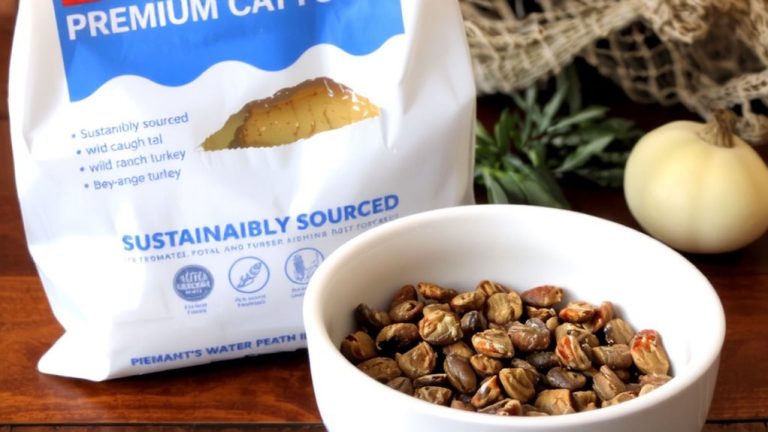
That kibble your puppy eats can do more than just fill their belly-it can actively help keep their teeth clean when you choose the right kind. Look for dental kibble with a specific shape and texture that helps scrub away plaque as your puppy chews. The size of your dog’s mouth matters-larger pieces encourage proper chewing instead of gulping, making dry dog food more effective. A well-designed shape of the kibble increases contact with tooth surfaces, helping clean your dog’s teeth naturally. Many dry food formulas include dental enzymes or sodium hexametaphosphate to fight tartar. While dental chews help, daily dental kibble offers consistent support. Always pick a formula meeting AAFCO puppy standards-so it supports both oral health and growth.
Avoid High-Starch Ingredients to Prevent Plaque
Just because your puppy’s kibble cleans their teeth doesn’t mean it’s keeping plaque at bay-some dental formulas still pack in starchy ingredients like peas, lentils, and sweet potatoes that feed the bacteria behind plaque buildup. These fermentable carbs fuel harmful bacteria, speeding up plaque formation within hours of eating. Even grain-free kibble, often seen as healthy, tends to swap grains for starchy ingredients that increase food particle retention and raise dental disease risk. Over 80% of dogs develop dental disease by age 3, so you’ve got to avoid high-starch ingredients early. Puppies especially need long-term oral health support, and a low-starch diet helps reduce plaque buildup from the start. Choosing food with minimal starch means fewer carbs for bacteria to thrive on, supporting cleaner teeth and healthier gums.
Choose Real Meat Foods With Dental-Friendly Nutrients
Real meat isn’t just a label claim-it’s the foundation of a strong jaw and healthy mouth. When you choose puppy foods with real meat as the first ingredient, you’re giving your dog the high-quality protein needed for proper dental wear and jaw development. Look for AAFCO-approved dog food formulas rich in dental-friendly nutrients like Omega-3, antioxidants, and vitamins E and C-they fight inflammation and strengthen gums during teething. Avoid soft, starchy kibble; instead, pick firm, textured pieces that help reduce plaque buildup through natural chewing.
| What Your Dog Gets | Why It Matters | How You’ll Feel |
|---|---|---|
| Stronger chewing from real meat | Supports tooth eruption | Proud |
| Omega-3 & antioxidants | Reduce gum swelling | Relieved |
| Vitamins E and C | Protect oral tissues | Confident |
| AAFCO-approved nutrition | Balanced growth | Assured |
Use Dental Chews to Build Healthy Chewing Habits
You’ve already made a smart choice by feeding a real meat-based diet with dental-friendly nutrients, and now it’s time to add another layer of protection: daily dental chews. Giving your puppies age-appropriate, vet-approved dental chews supports healthy chewing habits while reducing plaque buildup and tartar buildup early on. The right chew provides gentle gum stimulation during the shift from puppy to adult teeth, promoting proper dental wear. Look for treats containing probiotics, which help balance your puppy’s oral microbiome and actively break down plaque. Daily use of these chews can cut the risk of periodontal disease-impacting over 80% of dogs by age three. Always size the chew correctly to prevent choking and guarantee digestion. Consistency matters: a chew every day keeps plaque in check and builds lifelong oral health routines.
Skip Soft Food Unless Your Vet Says Otherwise
While soft food might seem easier for young puppies to eat, it doesn’t offer the mechanical scrubbing action needed to support strong teeth and gums, so unless your vet recommends it for a specific health issue like fractured teeth or severe gingivitis, you’re better off skipping it. Puppies need dental wear from chewing to support jaw development and reduce plaque buildup. Dry food, especially kibble designed for dental health, encourages this naturally.
| Feature | Soft Food | Dry Kibble |
|---|---|---|
| Dental Wear | Low | High |
| Plaque Buildup Risk | High | Reduced by 20% |
| Jaw Development Support | Poor | Strong |
Most vets agree: unless under veterinary guidance, stick to dry food. Kibble’s texture helps clean teeth with every bite, making it a smart choice for puppies without medical exceptions. Trust your vet, but for most, dry food is the way to go.
Pair Diet With Brushing and Vet Checkups
Kibble helps, but it’s not the whole solution-your puppy still needs daily brushing and regular vet visits to keep their mouth in top shape. Even the best dog food can’t prevent plaque buildup on its own. Pairing dental-supportive kibble with daily brushing using dog-specific toothpaste removes plaque more effectively and fights tartar. Start early: puppies can begin accumulating plaque within 24 hours, and by six months, tartar may already be forming. Begin a consistent oral hygiene routine during teething to build lasting habits. Mechanical brushing cleans tooth surfaces food can’t reach. Combine brushing, smart dog food choices, and vet checkups every six months to monitor dental health and catch issues early. Together, these steps support lifelong oral hygiene and keep your puppy’s smile healthy.
On a final note
Start early with a kibble like Royal Canin Dental or Hill’s Science Diet, sized to scrape plaque, and packed with real meat, calcium, and omega-3s, while avoiding corn and wheat, feed dental chews like Greenies Puppy daily, skip soft foods-they lack abrasion, and always pair diet with twice-weekly brushing using Petsafe Breeze brushes and biannual vet cleanings, this combo cuts tartar by up to 70%, keeps gums pink, and builds lifelong oral health.