How to Prevent and Treat Heartworm in Cats: Diagnosis and Monitoring
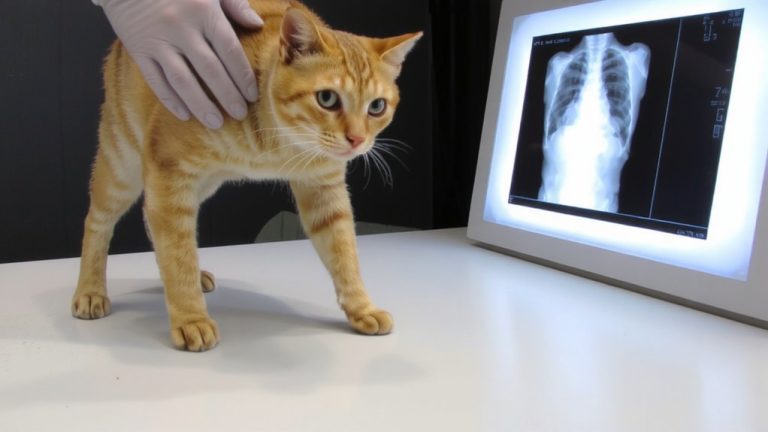
You can’t treat heartworm in cats like dogs-there’s no cure, so prevention is critical. Even indoor cats are at risk, with one in three infected cats staying inside. Use monthly, year-round preventives to block *Dirofilaria immitis* larvae after a mosquito bite. Symptoms like coughing or vomiting mimic asthma, making diagnosis tricky; vets rely on X-rays and blood tests. Monitoring every 6–12 months helps track changes. Supportive care, including prednisolone and oxygen, manages flare-ups. Stay consistent-missing just one dose can let larvae mature in 51 days. You’ll find the best strategies laid out clearly.
We are supported by our audience. When you purchase through links on our site, we may earn an affiliate commission, at no extra cost for you. Learn more. Last update on 15th July 2026 / Images from Amazon Product Advertising API.
Notable Insights
- Prevent heartworm in cats with year-round preventive medication, as indoor cats are also at risk from mosquito bites.
- Diagnose carefully using chest X-rays and repeat testing every 6–12 months due to subtle, variable symptoms.
- Recognize that no definitive treatment exists; management focuses on early detection and monitoring disease progression.
- Treat symptom flare-ups with supportive care, including prednisolone for inflammation and oxygen therapy if needed.
- Monitor for intermittent signs like coughing or vomiting, which may mimic asthma or indicate larval death.
How Heartworm Spreads in Cats
While you might think your indoor cat is safe, heartworm disease can still be a threat because it spreads through the bite of an infected mosquito, which can easily slip inside your home through open windows or doors. Cats are susceptible to heartworm infection when a mosquito carrying infective larvae of *Dirofilaria immitis* bites them. These infective larvae enter the skin, then develop into immature heartworm larvae that migrate over months. Though cats are atypical hosts, they can still suffer from this disease, even with just one or two adult worms. The heartworm life cycle depends on mosquitoes to transmit the parasite from infected animals, usually dogs, to cats. Even indoor cats aren’t safe-up to one-third of infected cats live exclusively inside. Preventive medication is essential to stop infection before it takes hold.
Feline Heartworm Symptoms to Watch For
A single heartworm can cause serious problems in your cat, so it’s important to recognize the signs early-even if your cat stays indoors. Feline heartworm disease often shows up as coughing, rapid breathing, or vomiting, symptoms easily mistaken for asthma. These signs of heartworm disease may come and go, tied to inflammatory reactions from dying larvae. Many affected cats are indoor cats, with up to one-third never going outside. You might also notice lethargy, weight loss, or sudden collapse. In some cases, sudden death is the first indication of infection. Even one to four adult worms can trigger severe issues due to your cat’s small lung vessels. Acute episodes, like fainting or seizures, can happen without warning. Watching for subtle changes in your cat’s behavior and breathing improves early detection chances.
Supportive Care for Cats With Heartworm Disease
Seeing those subtle signs of heartworm-like coughing, lethargy, or quickened breathing-means it’s time to focus on how to help your cat stay as comfortable and healthy as possible. Supportive care is key, since there’s no direct treatment for heartworms in cats. If your cat shows respiratory distress, hospitalization may be needed for oxygen therapy and intravenous fluids to stabilize breathing and circulation. Your vet might prescribe prednisolone to reduce lung inflammation, even in cats without obvious symptoms but with changes on chest X-rays. Regular monitoring, including repeat chest X-rays every 6 to 12 months, helps track disease progression. Some vets also recommend doxycycline to target Wolbachia bacteria living inside heartworms, though its effectiveness in cats is still being studied.
Year-Round Prevention for Feline Heartworm
| What You Think | What’s Real | What’s at Stake |
|---|---|---|
| Indoor cats are safe | 15% show prior heartworm exposure | Your cat is diagnosed |
| One missed month is fine | Larvae mature in 51 days | No cure exists |
| Prevention is optional | Year-round prevention saves lives | Your choice matters |
| It’s just a mosquito | It carries deadly parasites | Your cat depends on you |
On a final note
Keep your cat safe with year-round heartworm prevention, like monthly chewables or topical treatments, even if they stay indoors. Early signs-coughing, trouble breathing, vomiting-can be subtle, so regular vet checks and antigen/antibody tests are key. There’s no approved cure, so prevention is essential. Testers note high compliance with flavored preventives, and clinics report fewer cases in cats on consistent schedules. Monitor closely, act early, and trust proven protection every single month.