Recognizing and Treating Feline Eosinophilic Plaque
You’ll recognize feline eosinophilic plaque as red, oozing sores on your cat’s belly or inner thighs, often from flea bite hypersensitivity-even one bite can trigger it. Look for hair loss, intense licking, and shiny, eroded skin. Your vet will confirm with cytology showing eosinophils and likely recommend selamectin for flea control plus prednisolone at 1–2 mg/kg daily to reduce inflammation. If infection’s present, amoxicillin-clavulanate helps. Stick to year-round prevention and consider a hypoallergenic diet trial if flare-ups continue-there’s more to optimizing your cat’s comfort and long-term skin health.
We are supported by our audience. When you purchase through links on our site, we may earn an affiliate commission, at no extra cost for you. Learn more. Last update on 19th July 2026 / Images from Amazon Product Advertising API.
Notable Insights
- Feline eosinophilic plaques are red, hairless, oozing skin lesions commonly on the belly or inner thighs.
- Intense itching causes excessive licking and biting, leading to eroded, moist skin areas.
- Diagnosis involves cytology showing eosinophils or biopsy revealing flame figures and inflammatory changes.
- Primary treatment includes flea prevention, prednisolone for inflammation, and antibiotics if infection is present.
- Food trials or cyclosporine may be needed for refractory cases linked to allergies or immune dysregulation.
What Is Feline Eosinophilic Plaque?
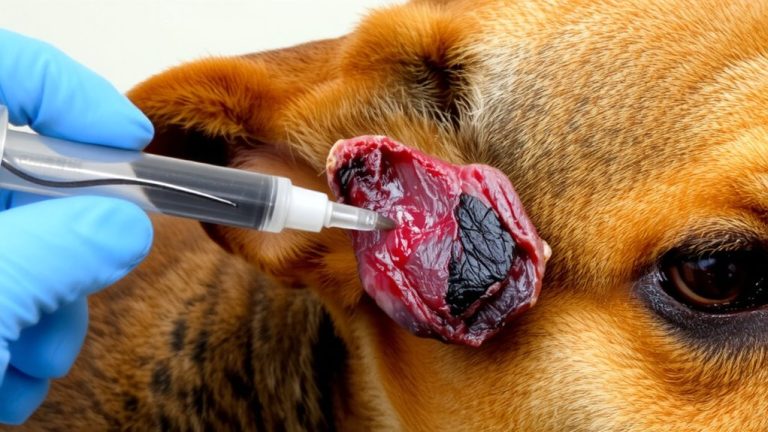
Think of it as your cat’s skin sounding the alarm-feline eosinophilic plaque is a red, itchy, and often raw lesion that usually shows up on your cat’s belly or inner thighs, and it’s more common than you might think. An eosinophilic plaque typically stems from flea bite hypersensitivity, a leading cause of allergic skin disease in cats. You’ll notice a well-defined, hairless, weeping area that’s prone to secondary infection. Cytology confirms the diagnosis, revealing clusters of eosinophils-the hallmark of eosinophilic dermatitis-plus neutrophils if bacteria have moved in. This plaque is part of the feline eosinophilic granuloma complex and often signals an underlying allergy, like food sensitivity or environmental triggers. Left untreated, the inflammation worsens, so early vet intervention matters. Spot-on flea preventives, hypoallergenic diets, and targeted anti-inflammatory treatment can help. Always follow your vet’s guidance to manage flare-ups and keep your cat comfortable.
What Symptoms to Watch For
You’ll want to keep an eye out for red, swollen patches on your cat’s belly or inner thighs-these are classic signs of an eosinophilic plaque and often pop up after a flea bite, even from just one exposure. Cats with these lesions usually experience intense pruritus, leading to constant licking and biting. This self-trauma creates moist lesions that become raw, hairless, and shiny from exudate. Left unchecked, symptoms worsen and plaques can grow or merge into larger sores. Flea bite hypersensitivity is a major trigger, but other allergies may contribute. Catching early symptoms helps prevent severe skin damage.
| Common Symptoms | Key Features |
|---|---|
| Eosinophilic plaques | Raised, red, hairless |
| Pruritus | Severe itching |
| Moist lesions | Oozing, eroded skin |
| Self-trauma | Licking, biting wounds |
Common Triggers of Eosinophilic Plaque
While flea bite hypersensitivity tops the list, it’s not the only culprit behind eosinophilic plaques in cats-just one bite can spark intense inflammation, especially in sensitive individuals, so keeping your cat on a reliable monthly flea preventive like selamectin or fipronil is essential. Flea bite hypersensitivity often triggers a severe hypersensitivity reaction, leading to eosinophilic plaque formation. But other underlying allergic causes exist. Environmental allergens like pollen, dust mites, and mold may provoke similar responses, especially in indoor-outdoor cats. Food allergy to common proteins-beef, dairy, fish-can also drive lesions, so a vet-supervised elimination diet may help. Mosquito bite hypersensitivity is another known trigger; cases rise in warm months, particularly in cats with outdoor access. Though some cases remain idiopathic, identifying and managing these triggers is key to reducing flare-ups and supporting long-term skin health.
How Vets Diagnose Eosinophilic Plaque
When your cat starts licking or scratching at raw, inflamed patches on their belly or inner thighs, it’s time to get them to the vet-especially if you’ve already ruled out common triggers like fleas or changed their diet to eliminate food allergens. Your vet will suspect eosinophilic plaque based on lesion appearance, but diagnosis requires more than a glance. They’ll likely perform a fine needle aspiration or skin biopsy to check for eosinophils. A surface smear often shows these cells and their granules, supporting the diagnosis. Histopathology reveals eosinophilic dermatitis, edema, and flame figures around collagen. Flea bite hypersensitivity is a top trigger, so your vet will ask about flea control.
| Feature | Finding | Significance |
|---|---|---|
| Lesion Location | Ventral abdomen, medial thighs | Common sites for eosinophilic plaque |
| Cell Type | Eosinophils | Key to diagnosis |
| Test Method | Fine needle aspiration, biopsy | Confirms infiltration |
| Histopathology | Flame figures, edema | Diagnostic of eosinophilic dermatitis |
Treatment Options for Eosinophilic Plaque
A relentless focus on flea control kicks off treatment for eosinophilic plaque, since flea bite hypersensitivity drives the majority of cases-your cat needs a proven, monthly topical or oral flea product like fipronil, selamectin, or spinosad to stop itching and prevent flare-ups. You’ll often see secondary bacterial infections in oozing lesions, so treatment with amoxicillin-clavulanate at 62.5 mg/cat twice daily is common when infection’s suspected. Always pair antibiotics with culture and susceptibility testing to guarantee effective coverage. For inflammation, prednisolone at 1–2 mg/kg daily often brings quick relief, especially if flea control alone doesn’t resolve the eosinophilic plaque. If your cat doesn’t respond, cyclosporine at 7 mg/kg once daily may help, particularly in stubborn or recurring cases. Stick to vet-guided dosing, and expect improvements within 2–4 weeks.
How to Prevent It From Coming Back
Stopping eosinophilic plaque from returning starts with consistent, year-round flea prevention using a vet-approved product like fipronil, selamectin, or spinosad-missed doses or seasonal gaps can reignite itching and trigger relapse, especially since flea bite hypersensitivity drives most cases. If you’re seeing recurrent lesions, there’s likely an underlying allergic skin disease at play. Work with your vet to explore hypoallergenic diet trials using prescription hydrolyzed protein diets-no treats or cheating for 8–12 weeks. Environmental control is key if airborne allergens like pollen or dust mites are triggers; run HEPA filters and clean bedding weekly. When other measures aren’t enough, immunomodulatory therapy like cyclosporine (7 mg/kg/day PO) can maintain long-term remission, especially in tough cases. Stick to the plan-it makes all the difference.
When to Seek Veterinary Care
Because eosinophilic plaques cause intense itching and open, oozing sores-often on your cat’s belly or inner thighs-you shouldn’t wait to get help if you notice persistent licking, red inflamed patches, or raw skin, since these lesions can worsen quickly from self-trauma and secondary bacterial infections. Eosinophilic plaques are extremely pruritic, typically appearing on the ventral abdomen or medial thighs, and your cat’s constant scratching can lead to deeper sores. Flea bite hypersensitivity is a major trigger, so even without seeing fleas, year-round flea prevention is critical. If the lesions don’t improve with initial care, or if they spread, your vet may recommend cytology to confirm diagnosis. Secondary bacterial infections are common due to self-trauma and often need antibiotics based on culture results. When pruritus persists, food allergies or environmental atopy could be underlying causes worth exploring.
On a final note
You’ve got this-keep flea prevention on schedule, like using monthly topical treatments or collars proven to kill fleas within 12 hours. Feed a high-quality, limited-ingredient diet to help rule out food triggers. Clean bedding weekly and vacuum regularly. If plaques return, contact your vet before symptoms worsen, and always follow their steroid or antihistamine plan exactly. Monitor healing weekly with photos for reference.