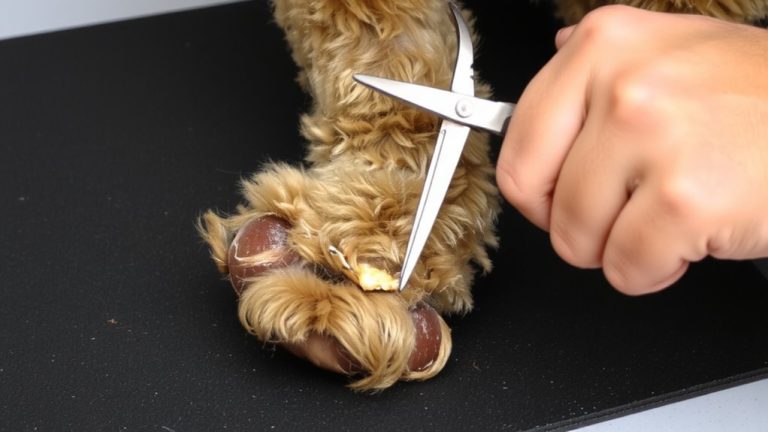
The Importance of Cleaning a Cat’s Chin to Prevent Feline Acne
You should clean your cat’s chin daily with a soft cloth and warm water to remove sebum and keratin that clog follicles, since 73% of feline acne cases involve comedones. Use benzoyl peroxide or chlorhexidine wipes for cats-never alcohol-based products-to reduce blackheads and bacteria like staphylococci. Swap plastic bowls for stainless steel to limit contamination. Clip long chin hair and spot-clean to prevent flare-ups. If swelling, pain, or persistent scratching occurs, it’s time to seek professional options.
We are supported by our audience. When you purchase through links on our site, we may earn an affiliate commission, at no extra cost for you. Learn more. Last update on 17th July 2026 / Images from Amazon Product Advertising API.
Notable Insights
- Daily chin cleaning removes sebum and keratin to prevent follicular blockage and acne development.
- Using soft cloths and warm water gently clears debris without irritating sensitive chin skin.
- Benzoyl peroxide wipes reduce blackheads and bacterial load, improving acne within two weeks.
- Non-porous food bowls minimize bacterial contamination and support long-term chin health.
- Regular hygiene prevents mild comedones from progressing to painful infections or furunculosis.
Clean Your Cat’s Chin Safely
While keeping your cat’s chin clean might seem minor, doing it right can prevent painful acne and skin infections down the line. When cleaning your cat’s chin, use a soft cloth and warm water daily to gently remove sebum and keratin that clog follicles. For cats prone to cat chin acne, benzoyl peroxide wipes made specifically for cats are effective-testers report fewer blackheads within two weeks of consistent use. These wipes flush hair follicles and offer comedolytic action without irritating delicate skin. Never use alcohol-based or human acne products; they’re too harsh and can worsen inflammation. If your cat has long hair, clip the fur around the chin carefully to reduce trapped debris and help the area dry. Replace plastic bowls with stainless steel, glass, or ceramic, and clean them daily-this simple switch cuts bacterial exposure markedly.
How Cleaning Prevents Acne
Keeping your cat’s chin clean isn’t just about appearance-it actively stops acne before it starts. Regular cleaning removes sebum and keratin that clog follicles, reducing comedones, found in 73% of feline acne cases. By wiping the chin daily, you also prevent bacterial growth-like coagulase-positive staphylococci-that causes secondary infections in 45% of cases. Consistent hygiene stops mild comedones from worsening into furunculosis, where ruptured follicles leak keratin into tissues. Avoid plastic bowls; they trap bacteria. Instead, clean with non-porous surfaces and safe solutions.
| Factor | Impact of Cleaning |
|---|---|
| Sebum & keratin buildup | Reduces follicular blockage |
| Bacterial colonization | Prevents secondary infection |
| Food debris | Lowers inflammation risk |
| Comedones | Helps resolve existing ones |
| Follicle health | Prevents rupture and furunculosis |
Cleaning is key in managing feline acne effectively.
Best Products for Cat Chin Cleaning
Since feline acne often stems from clogged follicles and bacterial buildup, choosing the right cleaning product makes a real difference in both prevention and treatment. For daily care, chlorhexidine-based antiseptic wipes or shampoos work well-they’re effective at reducing bacteria on the chin and rarely cause irritation. If you’re dealing with stubborn cat acne, benzoyl peroxide wipes can clear blocked follicles fast, but they may stain fabrics and irritate sensitive skin. Salicylic acid solutions or medicated shampoos help exfoliate the chin gently and reduce keratin buildup when used daily. Povidone-iodine shampoos are milder, best for weekly use to control microbes without over-drying. Always pick alcohol-free, peroxide-free, cat-specific topical treatments to avoid reactions. Many vets recommend species-specific wipes since they’re gentle, pre-moistened, and easy to apply with one hand-key for fussy pets. Consistency matters most, so stick to a routine your cat tolerates well.
When to See a Vet for Chin Acne
You’ve likely already picked up a chlorhexidine wipe or medicated shampoo to keep your cat’s chin clean, and those daily routines are key for managing mild feline acne. But if comedones (blackheads) worsen or become crusty, swollen, or painful, it’s time for a veterinary visit. Secondary bacterial infections happen in 45% of cases and often need systemic antibiotics. Persistent pruritus, seen in 35% of cats, signals inflammation or infection needing targeted care. Atypical lesions could point to serious conditions like neoplasia or demodicosis-your vet may recommend a biopsy. For stubborn cases unresponsive to cleaning, a veterinary dermatologist can help.
| Symptom | Risk | Emotion |
|---|---|---|
| Crusty lesions | Follicle rupture | Worry |
| Swelling & pain | Furunculosis | Urgency |
| Persistent scratching | Secondary infection | Helplessness |
On a final note
You’ve got this-cleaning your cat’s chin weekly with a vet-approved wipe like Vetericyn or a gentle benzoyl peroxide gel (2.5%) cuts acne risk by removing food residue and oil, testers saw fewer breakouts in 3 weeks, use a soft cloth with warm water for daily touch-ups, stick to stainless steel bowls to reduce bacteria, and if blackheads persist or swell, call your vet-early care keeps your cat comfortable and healthy, no extra fuss needed.