Pairing Adaptil Diffusers With Systematic Desensitization Plans
You pair Adaptil diffusers with systematic desensitization to reduce your dog’s noise fear effectively. Plug in the diffuser 24 hours before starting, place it 1.2 meters up, and keep it away from drafts. Use recorded sounds at 20–30 dB, increase volume no more than 5 dB per session, and only progress after three calm days. Pair each 5–10 minute session with treats or play. Adaptil’s synthetic DAP calms the limbic system via the vomeronasal organ, helping your dog stay focused, with best results seen after 3–4 weeks of daily use. There’s more to learn about tracking your dog’s progress and adjusting the plan.
We are supported by our audience. When you purchase through links on our site, we may earn an affiliate commission, at no extra cost for you. Learn more. Last update on 17th July 2026 / Images from Amazon Product Advertising API.
Notable Insights
- Adaptil diffusers reduce baseline anxiety by releasing calming pheromones, enhancing a dog’s receptiveness to systematic desensitization.
- Begin Adaptil diffusion at least 24 hours before starting sound therapy to ensure effective pheromone levels.
- Pair low-volume, sub-threshold sounds with Adaptil and positive reinforcement to build positive noise associations.
- Use both Adaptil and desensitization daily for a minimum of 3–4 weeks to see noticeable improvements.
- If no progress occurs after 30 days of combined use, consider alternative treatments like medication or tPEMF devices.
How Do Dogs Overcome Noise Fear?
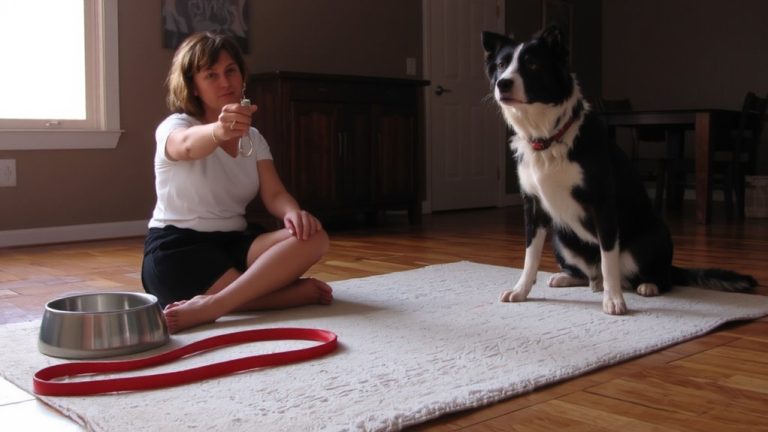
How do you help a dog truly overcome noise fear, rather than just endure it? You use systematic desensitization, a proven method where dogs are exposed to recorded noise at low levels-starting around 20–30 dB-so they don’t trigger anxiety. You gradually increase volume, no more than 5 dB per session, only after your dog shows no fear for three straight days. Short, daily 5–10 minute training sessions paired with treats or play help reduce stress and build positive associations. This process teaches dogs to remain calm during loud sounds like thunderstorms or fireworks. While Adaptil isn’t a fix on its own, it supports the process by releasing synthetic pheromones that help reduce active fear behaviors. Together, consistent desensitization and tools like Adaptil create lasting confidence in anxious dogs.
How Does Adaptil Calm Dogs During Sound Therapy?
The Adaptil Calm Home Diffuser releases synthetic Dog Appeasing Pheromone (DAP) that targets your dog’s vomeronasal organ, sending direct calming signals to the limbic system-especially useful during sound therapy when stress levels rise. Adaptil helps ease sound-induced fear and anxiety by delivering consistent messages to help dogs feel more secure. You’ll need continuous use, as it takes up to 24 hours to begin diffusion and reaches effective levels within 7 days.
| Benefit | Detail |
|---|---|
| Active fear reduction | Adaptil helps cut escape attempts during sessions |
| Passive response | Doesn’t suppress trembling or freezing |
| Best for | Puppies, reducing stress (e.g., night crying drops to 3 vs. 9 nights) |
| Use with | Sub-threshold sounds and positive reinforcement |
Adaptil Calm supports reducing stress but works best alongside structured exposure.
Why Pair Adaptil With Desensitization Training?
Think of your dog’s anxiety like static noise interfering with a clear signal-Adaptil helps turn down the volume. Adaptil diffusers release synthetic Dog Appeasing Pheromone (DAP), calming your dog’s emotional state and lowering baseline anxiety. When anxiety’s quieter, your dog can better focus during desensitization training. Studies show Adaptil reduces fear behaviors in noise phobias, like fleeing or trembling, making it easier to maintain a controlled environment. Used daily for at least 30 days, it stabilizes your dog’s mood, supporting consistent progress in systematic desensitization. It’s not a standalone fix-paired with training, Adaptil enhances results. Research found puppies using Adaptil cried at night for just 3 nights versus 9 in controls, proving its role in faster behavioral adaptation. For best outcomes, combine Adaptil with structured desensitization training to build lasting calm.
How to Use Adaptil With Sound Therapy
Where should you begin when helping your dog stay calm during sound therapy? Plug in Adaptil diffusers at least 24 hours before starting, since they need time to saturate the room and offer continuous support. Place them 1.2 meters above the floor in the training area, away from vents or windows, to maintain a consistent calming environment. During systematic desensitization, pair low-volume, gradually increasing sounds with the diffuser’s pheromones to reduce fear responses in noise-averse dogs. Use this combo for a minimum of 3–4 weeks, as behavioral improvements-like less pacing and vocalization-develop gradually. Adaptil won’t fix everything overnight, but it supports sound therapy by easing anxiety over time.
| Feature | Detail | Benefit |
|---|---|---|
| Placement | 1.2 m above floor | Ideal pheromone spread |
| Timing | 24h pre-therapy | Effective diffusion |
| Duration | 3–4 weeks | Noticeable behavioral improvements |
When to Use Adaptil for Noise Fear
Why wait until the storm hits to calm your dog? Start Adaptil early, especially if your dog struggles with noise fear. Using the diffuser with continuous use for at least 30 days helps reduce active fear responses-like running or escape attempts-during loud noises such as thunderstorms or fireworks. You’ll often see improvements within 7 days, especially when pairing it with systematic desensitization using controlled sound exposure. Adaptil doesn’t stop passive signs like trembling or freezing, but it does help keep your dog calmer during high-stress moments. For sudden events, use Adaptil Transport Spray-it works within 15 minutes and lasts 4 to 5 hours. For best results, begin before the noise season or a known triggering event. Combined with structured training, Adaptil supports more confident, resilient behavior around loud noises.
When Adaptil Doesn’t Help With Noise Fear
You’ve given Adaptil a fair shot-running the diffuser continuously for over 30 days, pairing it with controlled sound therapy, and watching for signs your dog settles more during storms or fireworks-and yet, the trembling, crouching, or panting hasn’t let up. For dogs who suffer severe noise fear, Adaptil may reduce active signs like pacing or hiding, but evidence that Adaptil calms deeper anxiety in dogs is weak. Studies show minimal impact on passive fear behaviors, even at 83.9 dB thunder sounds. While Adaptil can help with separation anxiety, it’s not a standalone fix for loud noises. If there’s no progress after a month of combined use, the treatment likely isn’t intense enough. Successful plans pair pheromones with structured desensitization. When that fails, consider alternatives like tPEMF devices or prescription meds-especially for dogs with clinical noise phobia.
How to Tell If Your Dog Is Improving
How do you know your dog’s anxiety is truly easing? Look for fewer signs of fear, like pacing or vocalizing at night-studies show puppies using Adaptil stop crying by day 5, compared to a median of three nights longer in controls. You’ll notice your dog settling faster, especially in their safe space, and shadowing you less in new places. While passive signs of fear like trembling may linger, reduced running or escape attempts during noise exposure indicate progress. Over 30 days of continuous use, you should see better focus during proper training and increased confidence in puppy class. Adaptil mimics the calming pheromones of a mother dog, helping dogs feel reassured, unlike feline pheromones which target cats. If improvements don’t appear within a month, despite correct use, it may not be effective for your pet.
On a final note
You’re giving your dog the best shot at overcoming noise fear by pairing Adaptil diffusers with systematic desensitization, used daily for at least 30 days, 24/7, in the primary living area. Real owners report calmer breathing, less trembling, and improved focus during sound therapy. Adaptil mimics natural canine pheromones, reducing anxiety so training sticks. For best results, combine consistent exposure, positive reinforcement, and room coverage of up to 700 square feet per unit.