Differentiating True Fear From Startle Responses in Young Puppies
Your puppy’s screaming at 2–3 weeks isn’t fear-it’s a normal startle reflex tied to ear canal opening and neurological development. True fear emerges around 5 weeks and includes lasting avoidance or trembling, not just brief screams. These neonatal episodes last minutes, resolve fully within 36 hours, and leave no emotional scars. Calm your pup with 2-minute neck traction sessions or gentle massage behind the ears, pausing ENS until settled. You’ll soon see how simple support builds lifelong confidence.
We are supported by our audience. When you purchase through links on our site, we may earn an affiliate commission, at no extra cost for you. Learn more. Last update on 19th July 2026 / Images from Amazon Product Advertising API.
Notable Insights
- True fear emerges around 5 weeks; startle responses before that are reflexive, not emotional.
- Startle reactions resolve in seconds and lack lasting avoidance, trembling, or crouching.
- Ear canal opening at 12–15 days causes sudden sound sensitivity, triggering reflexive screams.
- Brief flinches or screams before 4 weeks are neurological reflexes, not fear conditioning.
- Persistent crying beyond 36 hours may indicate pain, not fear or startle reflexes.
Screaming Puppies at 2–3 Weeks: It’s Not Fear
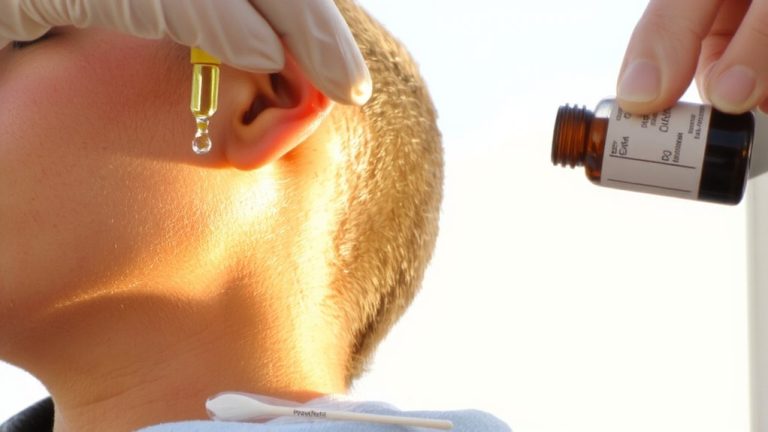
While it might sound alarming, the intense screaming and squirming you see in puppies between 14 and 21 days old isn’t fear-it’s a temporary condition known as Screaming Puppy Syndrome, commonly seen in Poodles and Poodle crosses. This isn’t a true fear response or sign of poor emotional state; puppies this young haven’t developed that wiring yet. Instead, what you’re seeing is likely a startle response tied to neurological shifts and ear canal opening, causing sensory confusion or mild discomfort. Episodes last minutes, occur during handling or randomly, and resolve completely within 36 hours. Affected pups show no long-term effects, with zero links to adult anxiety. You can help by applying gentle neck traction or massaging below the ears-many puppies lean in, smacking lips or clicking jaws in relief. It’s not pain, it’s not trauma, and it’s not a behavioral red flag. Stay calm, respond gently, and trust that this phase passes fast.
Why Startle Responses Are Normal in Newborns
Since newborn puppies haven’t developed the brain pathways needed for true fear yet, what you’re seeing when they jerk, squirm, or let out sharp cries around days 14–21 isn’t emotional distress-it’s a hardwired startle reflex kicking in as their senses come online. These startle responses are normal, reflexive reactions, especially as their ears open and sudden sounds register for the first time. You’ll notice brief flinches or intense screaming triggered by noises reaching peak volume in just 12–15 milliseconds-classic acoustic startle patterns. Unlike fear, these episodes last seconds, with puppies resuming nursing or sleep immediately after. In newborn puppies, this reflexive behavior is universal and resolves within about 36 hours, with no impact on long-term development. You don’t need special supplements or interventions-just a quiet whelping area, away from loud household sounds. Keep the environment warm, draft-free, and calm; dim lighting helps too. This phase passes naturally, so monitor, support, and trust the process-we’ve seen it in dozens of litters.
Screaming Without Fear: The 2-Week Neonatal Phase
Though it might seem alarming, those piercing screams you hear from your puppy between days 14 and 21 aren’t a sign of fear-they’re part of a short-lived but intense phase known as Screaming Puppy Syndrome, most commonly seen in Poodles and Poodle mixes. This screaming isn’t triggered by loud noises or true fear, which typically emerges around 5 weeks. Instead, it’s linked to their ears opening, possibly causing neurological confusion or discomfort. Episodes, often sparked by head or neck handling, last up to 36 hours and resolve on their own. You can help by applying gentle neck traction for 2 minutes, repeated 3–4 times in 24 hours, or massaging below the ears. Look for signs of relief-lip smacking, jaw clicking, or leaning in. There are no long-term effects; one day, the screaming stops and doesn’t return. If crying persists beyond 36 hours, consult your vet.
When to Worry: Signs of Real Fear in Puppies
A true fear response in puppies usually shows up around 5 weeks of age, so if you’re seeing signs before then, it’s likely not fear but something else-like the temporary screaming phase tied to ear canal development. If your puppy is over 5 weeks old and shows lasting avoidance, trembling, or crouching, it might be fear conditioning. When the dog is afraid, behaviors persist or worsen with exposure. Brief startles that end quickly aren’t fear. Watch for red flags like poor weight gain or inability to settle, which may signal pain, not emotion. Below is a quick guide:
| Age (weeks) | Behavior | Interpretation |
|---|---|---|
| <2 | Screaming | Not fear, likely pain from ear changes |
| 2–4 | Startle, jerk | Reflexive, not emotional fear |
| ≥5 | Crouching, trembling | Possible fear conditioning |
Seek a vet if symptoms arise before 5 weeks old.
How to Calm a Screaming Puppy Gently
What can you do when your puppy suddenly starts screaming between 14 and 21 days old? One calming technique is gentle neck traction-hold the puppy securely and apply light downward pressure for about 2 minutes, repeating 3–4 times in 24 hours if the puppy doesn’t resist. You might also try a soothing massage just below the ears and at the base of the skull; signs of relief include lip smacking, jaw clicking, or the puppy leaning into your touch. Since screaming often coincides with ear canal opening, it’s likely discomfort, not fear. Pause Early Neurological Stimulation (ENS) during episodes. This approach aligns with PUPPY CULTURE protocols, which emphasize neurobehavioral development. If screaming lasts beyond 36 hours, take another look and consult your vet to rule out medical issues.
Stop Fear From Developing After the Screaming Ends
Once the screaming episodes stop and your puppy settles into quieter days, you can shift your focus to shaping their early responses to the world around them. Even though those loud cries felt alarming, they weren’t true fear-just neurological blips before fear pathways fully activate at 5 weeks. Since the episodes resolve within 36 hours and don’t cause lasting issues, your job now is prevention: watch for prolonged crying or inability to soothe, which may signal pain and could make things worse long-term. If symptoms persist beyond a day and a half, see your vet-early intervention stops real fear from taking root. As your pup matures, gently expose them to new sounds, surfaces, and handling. If they tense or move away, don’t force it; pause and try again later. You’re not fixing trauma-you’re building confidence, one calm moment at a time.
On a final note
You’re seeing startle, not fear, when your puppy screams at 2–3 weeks, so stay calm and respond gently. Those reflexive cries are normal neurological responses, especially during the neonatal phase. True fear shows later, with avoidance, trembling, or hiding. Support healthy development with consistent warmth, like a 85°F whelping box, and avoid overhandling. Testers note puppies settle faster with soft-touch bedding and scheduled feeding every 2–3 hours using vet-recommended milk replacer. You’ve got this.