How to Clean a Rabbit’s Teeth Using a Veterinary Dental Exam at Home
You can’t clean your rabbit’s teeth at home-brushing isn’t needed and may stress them. Their teeth grow 3 mm per week and wear down naturally with unlimited grass hay, not manual cleaning. Cheek teeth are deep in the mouth and unreachable without a speculum. Skip store-bought cleaners or trimmers-they’re ineffective and risky. Only a veterinary dental exam, including sedation, x-rays, and professional tools, can catch and treat hidden problems like spurs or abscesses. A full assessment every 6–12 months keeps your rabbit eating well and pain-free-there’s more to learn about what that exam really involves.
We are supported by our audience. When you purchase through links on our site, we may earn an affiliate commission, at no extra cost for you. Learn more. Last update on 19th July 2026 / Images from Amazon Product Advertising API.
Notable Insights
- Rabbit teeth cannot be cleaned at home; professional veterinary exams are required for proper dental care.
- Continuous tooth growth is naturally managed by hay consumption, not manual cleaning or brushing.
- Cheek teeth are inaccessible without speculums and lighting, making home exams ineffective and unsafe.
- Dental disease signs like drooling or weight loss require a vet visit, not DIY cleaning attempts.
- Anesthesia, X-rays, and specialized tools used by vets are essential for accurate diagnosis and treatment.
Why Rabbit Teeth Can’t Be Cleaned at Home
While you might be tempted to brush your rabbit’s teeth like you would a dog’s, rabbit dental care doesn’t work that way-and for good reason. Rabbit teeth grow continuously, around 3 mm per week, and rely on fibrous hay for natural wear, not manual cleaning. The cheek teeth, essential for grinding food, are positioned deep in the mouth, making it impossible to reach or clean teeth at home. Unlike dogs and cats, rabbits don’t develop plaque or tartar, so over-the-counter tooth cleaners or brushing are unnecessary. You can’t see these back teeth without special tools, and even then, a proper evaluation requires anesthesia and imaging like digital X-rays or CT scans-only available at a vet clinic. Trying to clean or inspect what you can’t see risks serious injury, including fractures or infections. Dental health is critical, but leave it to the professionals.
Why You Should Never Trim Rabbit Teeth Yourself
Because rabbit teeth grow continuously-about 3 mm per week-you might think trimming them at home is a simple fix if they seem long, but doing so with clippers or nail trimmers risks serious harm. These tools apply uneven pressure, often causing teeth to fracture below the gumline, leading to severe pain and hidden dental problems. You can’t see the full root structure without X-rays, so improper cutting may damage living tissue or cause misalignment. Unlike human or dog teeth, rabbit teeth have open roots that grow constantly, making precision essential. Veterinary dental trimming uses anesthesia and high-speed rotary tools to safely shape teeth without trauma. Attempting it yourself could trigger infection, malocclusion, or refusal to eat. Only a vet can assess growth rate, alignment, and root health accurately. Skip DIY methods-protect your rabbit’s health and avoid preventable dental problems with professional care.
Signs of Rabbit Dental Disease to Watch For
If you notice your rabbit drooling or seeing wet, matted fur around their chin, chest, or front paws, it’s often one of the first signs that something’s off with their teeth-overgrown incisors or cheek teeth can impair chewing, leading to excessive salivation and discomfort. These are clear red flags for dental disease. You might also hear teeth grinding, especially when eating or resting, which signals oral pain. Weight loss and picky eating often follow, as overgrown teeth make chewing hay difficult. In lop-eared breeds like Holland Lops, misaligned jaws increase the risk of malocclusion. Bulging eyes or nasal discharge can occur if overgrown upper cheek teeth press on sinuses or eye sockets. These symptoms demand prompt veterinary attention-don’t wait. Early detection improves outcomes, and managing dental disease starts with recognizing these subtle but critical changes in your rabbit’s appearance and behavior.
What Happens at a Rabbit Dental Exam
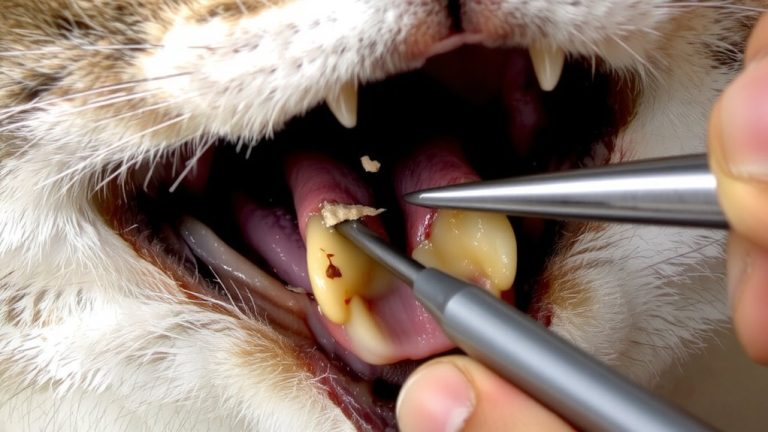
Ever wonder what your vet actually checks during a rabbit dental exam? During a rabbit dental exam, your vet carefully inspects your bunny’s teeth and gums using a speculum and penlight to spot misalignment, overgrowth, or sharp spurs. They’ll examine both the incisors in front and the cheek teeth farther back-areas hard to see at home. If issues are suspected, digital X-rays help evaluate tooth roots and jawbone health, revealing hidden problems like abscesses or bone loss. The vet also checks for signs of pain, difficulty chewing, or weight loss linked to dental disease. Since tooth roots extend close to the eyes and nasal passages, they’ll assess those areas too, looking for bulging eyes or chronic discharge. This thorough check of teeth and gums helps catch issues early, keeping your rabbit eating well and feeling good.
Is Anesthesia Safe for Rabbit Teeth?
While rabbit dental work often requires anesthesia, you can feel confident it’s generally safe when handled by an experienced exotic vet who uses protocols tailored to your bunny’s unique needs. Anesthesia, when paired with proper veterinary care, minimizes stress and allows for thorough treatment. Your vet will likely run pre-anesthetic blood tests to check liver and kidney function, ensuring your rabbit can safely process the drugs. Since rabbits don’t handle fasting well, protocols keep fasting time brief-usually no more than 2–3 hours. During the procedure, your bunny will be monitored using tools like pulse oximetry, with temperature support to prevent hypothermia. Most vets use isoflurane or sevoflurane gas, which offer precise control and quick recovery, reducing overall risk. With modern techniques and skilled veterinary care, anesthesia remains a safe, essential part of maintaining your rabbit’s dental health.
How X-Rays and CT Scans Find Hidden Dental Problems
Since rabbit teeth grow continuously and extend deep below the gumline, you’ll need more than a visual exam to catch hidden dental issues-x-rays, or digital radiographs, let your vet see the full tooth structure, including roots that can develop problems like elongation or abscesses without obvious symptoms, and ct scans take it further by providing 3d imaging that pinpoints bone loss, sinus tract formation, and complex deformities like wave mouth with far greater accuracy than standard x-rays. These tools are essential for proper dental care, revealing sharp spurs or misalignments before they worsen. Early detection through imaging helps prevent dental pain and complications like difficulty eating or weight loss. Advanced scans done under anesthesia give a complete view of both upper and lower tooth arcs, ensuring accurate diagnosis. You’ll want this level of detail to keep your rabbit healthy, catch issues early, and prevent dental disease from progressing silently.
How Often Should Your Rabbit See an Exotic Vet?
You should take your rabbit to an exotic vet at least once a year for a thorough dental checkup, even when they seem perfectly healthy. This annual visit is key to maintaining ideal pet health and ensuring early detection of issues like malocclusion, especially in lop-eared breeds such as Holland Lops, whose shorter jaws increase risk. Since cheek teeth can’t be fully assessed at home, yearly radiographic exams under anesthesia provide critical insight. Clinical signs like drooling, weight loss, or teeth grinding mean you should seek care immediately-don’t wait. Preventive care supports long-term wellness, and established patients at specialized clinics, like the one at 1601 Lee Road, Winter Park, FL, often get faster access to evening or weekend appointments. Prioritizing routine dental evaluations is essential for effective Care and helps avoid serious complications down the line.
On a final note
You can’t clean your rabbit’s teeth at home, and trimming them yourself risks serious harm, so rely on a veterinary dental exam instead. Watch for drooling, overgrown incisors, or sudden refusal to eat-signs of dental disease. Your vet uses anesthesia, dental scopes, and X-rays, even CT scans, to find root infections or malocclusions. Anesthesia’s safe with proper monitoring. Schedule checks every 6 to 12 months using an exotic vet, especially for seniors, ensuring excellent nutrition, grinding performance, and long-term wellness.