Why Regular Ear Cleaning Helps Detect Early Signs of Infection
Regular ear cleanings help you catch infections early by removing wax that hides redness, swelling, or fluid behind the eardrum. Earwax can block symptoms, trap bacteria, and prevent clear view during checks. With less buildup, doctors use otoscopes or tympanometry more effectively to spot stiffness, effusion, or biofilms. Early detection prevents hearing loss, perforation, or chronic damage. You lower risks of 20–30 dB hearing drops or complications needing follow-up care, especially if you use hearing aids or have a history of infections-next steps reveal even more protection strategies.
We are supported by our audience. When you purchase through links on our site, we may earn an affiliate commission, at no extra cost for you. Learn more. Last update on 19th July 2026 / Images from Amazon Product Advertising API.
Notable Insights
- Regular ear cleaning removes wax buildup that can hide early signs like redness or swelling in the ear canal.
- Clearing earwax allows for better visualization of the eardrum during checkups, improving detection of fluid or inflammation.
- Removing blockages helps clinicians identify biofilms or mild infections that lack obvious symptoms.
- Routine cleaning supports timely diagnosis by enhancing the accuracy of otoscopy and tympanometry tests.
- Preventing wax impaction reduces the risk of trapped moisture and bacteria that can lead to silent ear infections.
Why Ear Infections Start Silently
While you might expect ear infections to start with obvious pain or discharge, they often begin silently, especially in the early stages when inflammation in the eustachian tube or middle ear isn’t yet triggering sharp symptoms. You won’t always notice fussiness or fever-particularly in kids, where up to 75% have had an ear infection by age 3, often starting with mild hearing changes or restlessness. Bacteria like Streptococcus pneumoniae can form biofilms in the middle ear without setting off immediate red flags, delaying detection. Adults may only feel slight fullness or pressure, with fluid building subtly behind the eardrum. Chronic otitis media with effusion keeps fluid in the middle ear for over three months, usually symptom-free. Without routine checks, these quiet ear infections can progress, making early awareness and regular ear hygiene essential for catching issues before complications arise.
How Earwax Hides Early Ear Infection Signs
Since earwax can build up without causing pain, you might not realize it’s hiding early signs of infection, like redness or mild swelling in the ear canal, especially when it grows thick enough to block moisture from escaping. Your ear’s natural wax protects the ear canals, but excessive earwax build-up traps bacteria and fungi, raising infection risks. Mild itching or discomfort-early red flags-often go unnoticed beneath the blockage.
| Symptom Hidden | Due to Wax Blockage |
|---|---|
| Redness/swelling | Moisture trapped in ear canals |
| Itching/discharge | Bacteria thriving under wax |
| Tympanic membrane issues | Clinician can’t see past build-up |
When wax fully blocks the canal, even a routine check can miss subtle inflammation. Regular cleaning helps uncover issues before they escalate, keeping your ears-and your pet’s-healthy, comfortable, and infection-free.
When to See a Professional for an Ear Checkup
You should see a professional for an ear checkup if you or your pet experience sudden hearing loss, as it could signal a serious issue needing prompt treatment. If ear pain, tinnitus, or a fullness sensation lingers, don’t delay-about 5% of adults deal with impacted earwax yearly, and improper ear cleaning can worsen it. If you use hearing aids or earplugs often, schedule checkups every 3 to 12 months to protect ear health. Had past infections, eardrum issues, or surgery? Talk to your care provider before trying any wax removal method. When home care doesn’t work, see an otolaryngologist or audiologist-professional cleaning is the most common ear procedure U.S. primary care providers perform. Staying proactive keeps your ears-and your pet’s-in top shape.
What Doctors Use to Find Hidden Ear Infections
When routine checkups reveal persistent symptoms despite home care, it’s time to explore how professionals uncover hidden ear infections, especially if your pet shows subtle signs like head tilting, mild discomfort, or slight hearing lag. Your vet likely starts with an otoscope, shining a clear view into the ear canal to spot redness, swelling, or fluid behind the eardrum. They might use pneumatic otoscopy to check eardrum movement-stiffness suggests trapped fluid. Tympanometry measures pressure and eardrum compliance, with flat results often indicating effusion. If hearing seems off, audiometry tests detect conductive loss linked to chronic or hidden middle ear issues. Advanced tools like video otoscopy or microotoscopy reveal biofilms or mild inflammation standard tools miss. These methods give precise, real-time insight, so treatment starts before complications arise. You’re not just cleaning-you’re protecting long-term ear health with smart, science-backed detection.
How Cleanings Uncover Early Ear Infection Signs
While you might think of ear cleanings as just routine maintenance, they’re actually a frontline defense in spotting early signs of infection, especially when done by a professional. During your visit, the provider uses an otoscope to check your ear canal, spotting redness, swelling, or discharge before you feel pain. Cleaning removes built-up wax that can hide infections like otitis externa, which affects 1 in 200 people yearly. That wax often traps moisture, creating a breeding ground for bacteria or fungi. When it’s cleared, clinicians can see early biofilm formation-tiny bacterial colonies linked to chronic issues. They also notice subtle changes in skin texture or wax color, clues to infection onset. This early detection through cleaning means faster treatment, better outcomes, and fewer complications. You’re not just getting a cleaner ear-you’re catching problems before they become serious, all during a simple, quick appointment.
How Early Ear Infection Detection Prevents Hearing Loss
Because early detection of ear infections plays a crucial role in preserving hearing, routine checkups aren’t just about comfort-they’re a necessary step in preventing long-term damage. You can catch signs before they lead to hearing loss, especially in kids, where 30% of conductive cases stem from untreated otitis media. Early detection helps prevent eardrum perforation, which occurs in up to 30% of acute infections, and reduces risks to the inner ear, where inflammation can cause sensorineural hearing loss in 1–2% of severe cases. Catching issues early also limits prolonged fluid buildup, avoiding temporary hearing loss of 20–30 decibels that impacts learning. Timely care prevents ossicular damage-responsible for severe hearing loss in 5–10% of chronic cases. Regular ear monitoring isn’t just preventive; it’s a direct defense against both temporary and permanent hearing complications.
On a final note
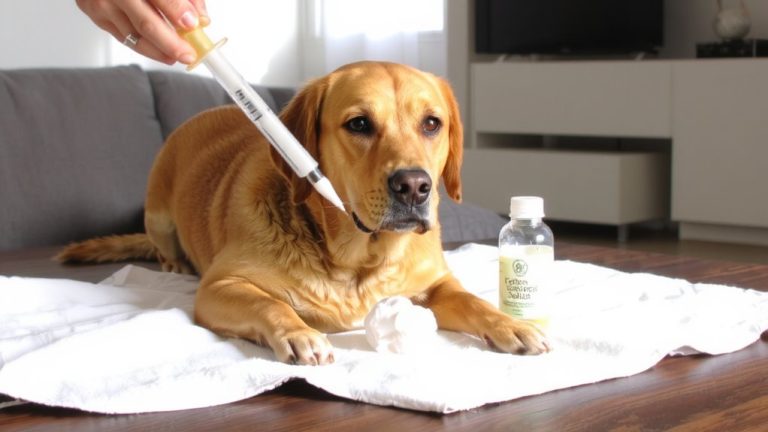
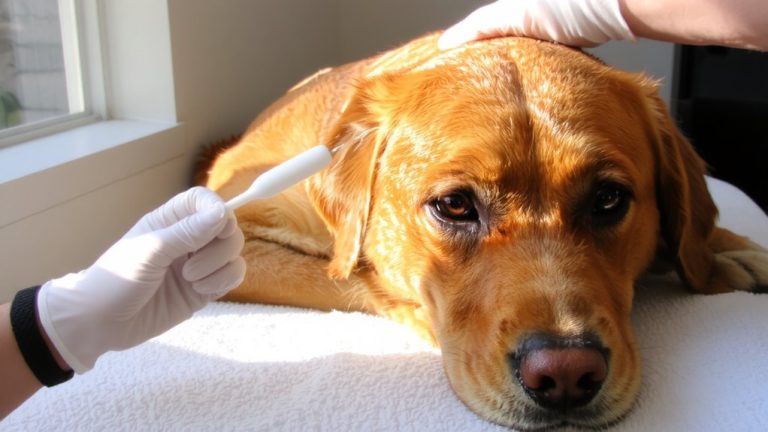
You catch issues early when you clean your dog’s ears weekly with a vet-approved, alcohol-free solution like Vetnique Labs Epi-Otic, about 5–7 drops per ear, massaging gently. Regular checks reveal redness, odor, or excess wax before pain starts, helping prevent infections that could lead to hearing loss. Testers note clearer ear canals and fewer vet trips, saving time and cost, so stay consistent-it’s simple, effective care that keeps your pet comfortable and listening well.